
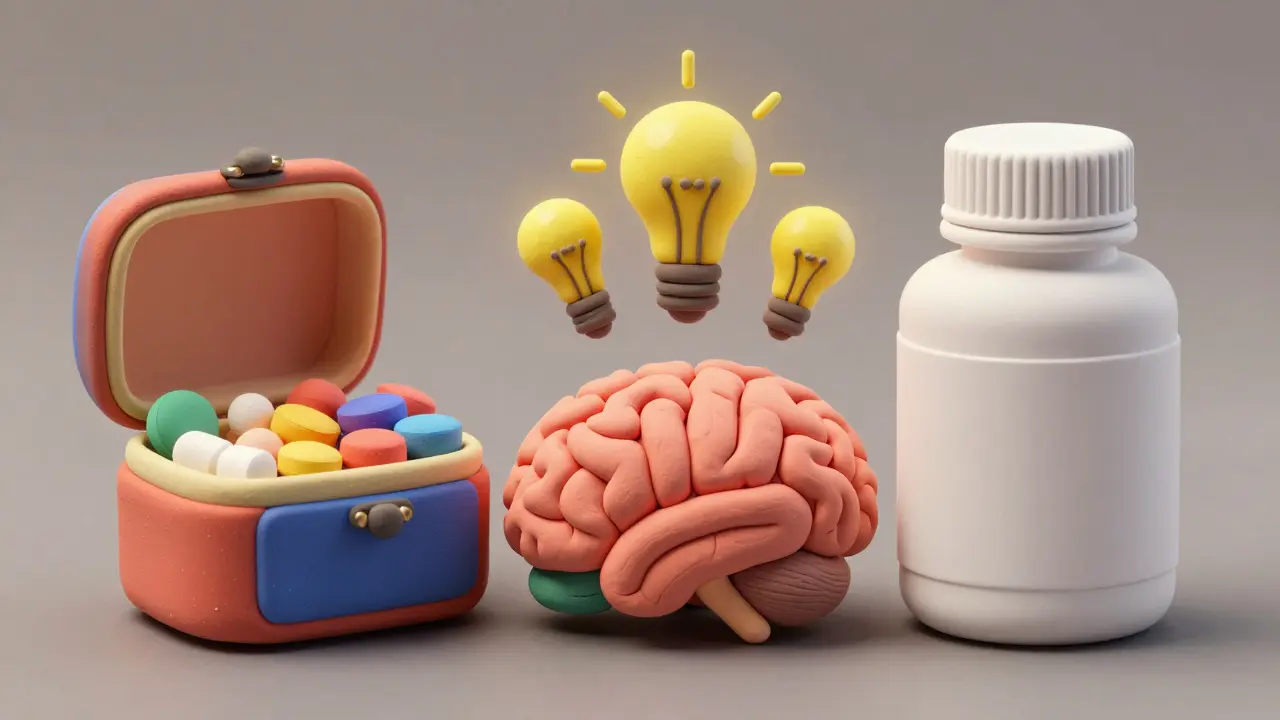
Imagine taking two pills that are chemically identical. One is in a fancy box with a famous brand name; the other is in a plain white bottle labeled as a generic. Even though the active ingredients are exactly the same, your brain might tell you that the brand-name one works better. This isn't just in your head-it actually changes how your body responds to the treatment. This is the placebo effect in action, and it creates a strange paradox where the label on a bottle can be as influential as the drug inside.
The Psychology of the Label
When we think of a "placebo," we usually think of a sugar pill used in a clinical trial. But in the real world, the placebo effect is about expectations. If you believe a medicine is high-quality and effective, your brain triggers a physiological response that can actually reduce pain or lower anxiety. The Placebo Effect is a psychological phenomenon where a patient's belief in a treatment's efficacy causes a real, measurable improvement in their condition.
This effect is incredibly powerful when it comes to brand names. A landmark study by Kate Faasse and her team found that people who took placebos labeled as brand-name painkillers reported significantly more headache relief than those who took identical placebos labeled as generics. In fact, the brand-name placebos were as effective as actual ibuprofen tablets. This tells us that the "brand」 isn't just marketing-it's a psychological trigger that tells the brain to start the healing process.
Why Generics Can Feel "Less Effective"
If you've ever switched from a brand-name drug to a generic and felt it wasn't working as well, you aren't imagining things, but the cause might not be the chemistry. This is often the Nocebo Effect-the dark twin of the placebo effect. While a placebo makes you feel better because you expect it to, a nocebo response happens when you expect a treatment to be inferior, leading to perceived side effects or a lack of efficacy.
For example, in trials for statins (cholesterol medication), patients who were told they were receiving a generic version reported muscle pain at much higher rates than those who received a neutral description. This isn't because the generic drug is lower quality, but because the negative expectation creates a physical sensation of discomfort. This is particularly common with medications for mental health. Research on Sertraline (a common antidepressant) showed that patients using generic versions had a 22% higher dropout rate because they felt the drug wasn't working, despite the chemical makeup being identical to the brand name.

The Science of Bioequivalence
To understand why this happens, we have to look at how generics are made. The FDA (U.S. Food and Drug Administration) requires that generic drugs be bioequivalent to the brand-name version. This means they must have the same active ingredient, strength, and dosage form, and they must deliver the drug into the bloodstream at a similar rate.
The standard for Bioequivalence typically requires a 90% confidence interval between 80% and 125% for the drug's absorption (AUC) and peak concentration (Cmax). In plain English: the generic must behave almost exactly like the brand name in your body. However, while the chemistry is the same, the "experience" is different. Things like the pill's color, shape, or even the price can change how your brain perceives the medicine.
| Medication Type | Psychological Impact | Key Finding |
|---|---|---|
| Analgesics (Painkillers) | Very High | Brand-name placebos provided significantly more relief than generic placebos. |
| Antidepressants | High | Higher dropout rates for generics due to perceived lack of efficacy. |
| Cardiovascular Drugs | Moderate | Lower adherence rates over 12 months for generic users. |
| Statins | Moderate/High | Increased reports of muscle pain when identified as "generic." |
How to Manage the Switch to Generics
If you are switching to a generic medication, the goal is to "trick" your brain into accepting the new version as being just as powerful as the old one. You don't want the nocebo effect to sabotage your treatment. Here are a few practical ways to manage this transition:
- Talk to your doctor about bioequivalence: Understanding that the FDA enforces strict rules on how generics must match brand names can reduce anxiety. When you know the chemistry is the same, your brain is less likely to invent "missing" efficacy.
- Acknowledge the psychology: It helps to realize that feeling a difference is a common psychological response. If you tell yourself, "I might feel a difference because of the label, not the medicine," you take away some of the nocebo effect's power.
- Request a transition period: Some clinicians suggest a two-week window of close monitoring when switching. This allows you to track your symptoms objectively rather than relying on a sudden, emotional reaction to a new-looking pill.
- Focus on the data: Keep a simple log of your symptoms or blood pressure readings. When you see the numbers staying steady despite the switch in labels, it provides the logical evidence your brain needs to override the psychological doubt.

The Cost of Perception
There is a fascinating relationship between price and perceived effectiveness. In one study, placebos that were priced at $2.50 per dose produced 64% greater pain reduction than identical placebos priced at $0.10. We are conditioned to believe that "expensive equals effective."
This creates a massive financial burden on healthcare systems. When patients insist on brand-name drugs because they "just work better," they are often paying for a psychological boost rather than a chemical one. In the U.S. alone, this psychological preference is estimated to cost billions of dollars annually in unnecessary spending. For instance, a generic version of atorvastatin can cost a few cents per pill, while the brand-name version can cost several dollars. The chemical result is the same, but the price tag changes the experience.
The Future of Expectation Management
Medical professionals are now developing specific protocols to handle these psychological factors. Instead of just saying "it's the same thing," doctors are being trained in expectation modulation. This involves detailed education about how the body processes drugs and a proactive approach to the nocebo effect.
There are even new digital tools under review that act as a "psychological bridge," helping patients transition to generics through educational modules that reduce the likelihood of negative responses. As we move toward more sustainable healthcare, the focus is shifting from just the molecule in the pill to the mindset of the patient taking it.
Are generic drugs actually less powerful than brand names?
No. By law, generic drugs must be bioequivalent to the brand-name version. This means they contain the same active ingredients and work the same way in your body. Any perceived difference in power is usually due to the placebo or nocebo effect-the psychological influence of the brand name and price.
What is the nocebo effect?
The nocebo effect is the opposite of the placebo effect. It occurs when a patient experiences negative side effects or a lack of efficacy because they expect the treatment to fail or cause harm. In the case of generics, this happens when a patient believes a generic drug is inferior, leading them to "feel" a lack of improvement.
Why do some people feel better on brand-name drugs?
This is often due to the brain's predictive processing. When you trust a brand, your brain may release natural endorphins or dopamine that enhance the drug's effect. This is why brand-name placebos can sometimes be as effective as actual active medications in pain-relief studies.
Can the pill's color or shape affect how I feel?
Yes. Changes in the physical appearance of a medication can trigger a nocebo response. Research shows that when a pill changes color or shape during a switch to a generic, discontinuation rates can increase by nearly 20% because the patient subconsciously perceives the medicine as "different" or "wrong."
How can I tell if my generic is actually not working?
The best way is to use objective data. For conditions like hypertension or diabetes, track your numbers (blood pressure or glucose) for two weeks. If the numbers remain stable or improve, the drug is working regardless of how you "feel." If the numbers objectively worsen, consult your doctor to check for rare issues like absorption differences.
Menu