
When you have leftover pills, outdated prescriptions, or bottles gathering dust in your medicine cabinet, medication disposal, the process of safely removing unused pharmaceuticals from your home. Also known as drug disposal, it’s not just about cleaning up—it’s about preventing poisonings, environmental harm, and misuse. Many people still flush pills down the toilet or toss them in the trash, not realizing how dangerous that can be. Water systems pick up traces of drugs from flushing, and curious kids or pets can find pills in the garbage. The pharmaceutical waste, unused or expired drugs that enter landfills, waterways, or incinerators is a growing public health issue, and simple actions can make a big difference.
Not all medications are the same when it comes to disposal. Some, like certain opioids or controlled substances, have special take-back programs through pharmacies or law enforcement. Others, like antibiotics or heart meds, should never be shared or saved for later. The safe drug disposal, methods approved by health agencies to prevent harm from improper handling usually involve mixing pills with coffee grounds or cat litter, sealing them in a container, and throwing them in the trash—never rinsing them down the sink. For liquids or syrups, you can pour them into a sealable bag with absorbent material like sawdust before tossing. Always remove personal info from the bottle labels. If your community has a drug take-back day or drop box, use it. These programs are free, secure, and designed to keep drugs out of the wrong hands.
Why does this matter? Because every year, thousands of accidental poisonings involve medications found in homes. Teens and older adults are especially at risk—either from grabbing the wrong bottle or sharing pills "just this once." Pets get sick from chewing through trash. And once drugs enter rivers and lakes, they affect fish and wildlife. The expired medicine, drugs past their labeled use-by date that may lose potency or become unsafe aren’t just useless—they’re potential hazards. You wouldn’t eat spoiled food, so why keep expired pills? A few minutes of proper disposal can protect your family, your neighbors, and the planet.
What you’ll find below are real, practical guides from people who’ve dealt with this exact problem. From how to safely throw out phenazopyridine to why grapefruit juice and statins need special handling, these articles cut through the confusion. You’ll learn what to do with leftover antibiotics, how to handle chemo drugs at home, and why some meds can’t be flushed—even if the bottle says "flush." No fluff. No guesswork. Just clear steps you can follow today.
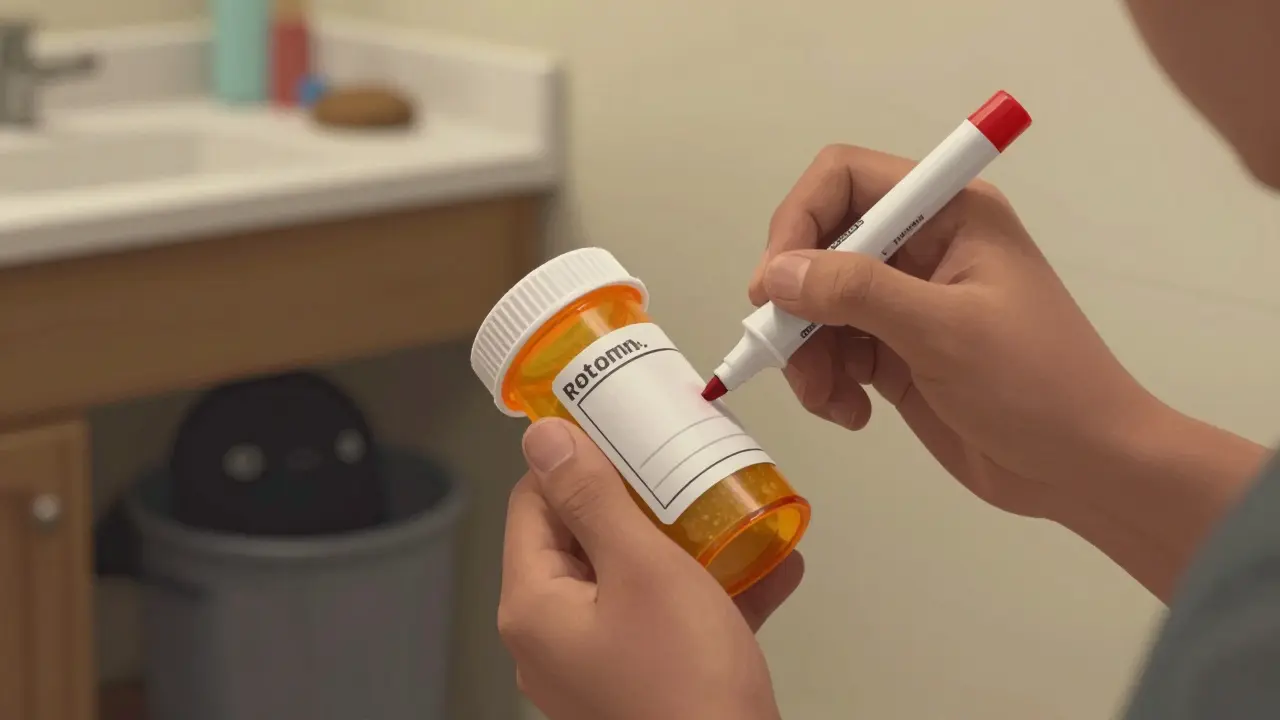
Learn how to safely dispose of medications while protecting your personal information from identity theft. Follow FDA and HIPAA guidelines to prevent privacy breaches from discarded prescription bottles.
Dec 21 2025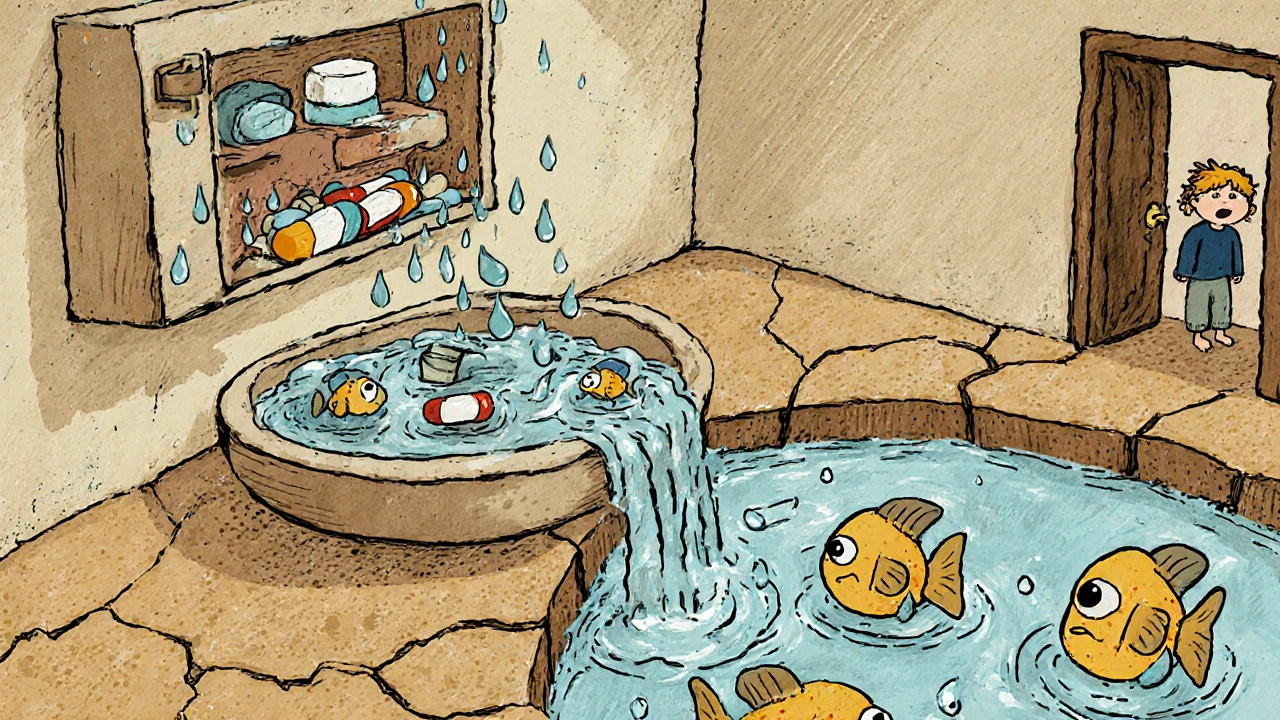
Flushing medications pollutes waterways and harms wildlife. Learn why it's dangerous, which drugs should never be flushed, and the safest, most effective ways to dispose of unused pills-without harming the environment.
Nov 16 2025
© 2026. All rights reserved.
Menu