
When you can’t sleep night after night, pills feel like the only answer—but CBT-I, Cognitive Behavioral Therapy for Insomnia. Also known as behavioral sleep therapy, it’s the gold-standard treatment recommended by the American College of Physicians and the American Academy of Sleep Medicine. Unlike sleeping pills that mask the problem, CBT-I fixes the root causes: racing thoughts, bad sleep habits, and the fear of not sleeping. It doesn’t require drugs, needles, or devices. Just your mind, a few tools, and consistent practice.
CBT-I isn’t just one thing—it’s a mix of proven techniques. Sleep restriction, a method that limits time in bed to match actual sleep time trains your body to associate bed with sleep, not tossing and turning. Stimulus control, a rule-based approach to re-link your bed with sleep tells you to get up if you’re not asleep in 20 minutes, and only return when sleepy. Then there’s cognitive restructuring, challenging thoughts like "I’ll never sleep again" that keep your brain wired for anxiety. These aren’t theoretical—they’re used in clinics, hospitals, and by therapists who specialize in sleep disorders. Studies show 70-80% of people with chronic insomnia see major improvement after just 4 to 8 weeks.
What makes CBT-I different from other treatments? It lasts. Pills help tonight, but they don’t teach you how to sleep on your own. CBT-I gives you skills that stick—even after therapy ends. People who’ve tried it report falling asleep faster, waking up less, and feeling more in control. It’s especially helpful for those who’ve tried multiple meds and still struggle, or who want to avoid dependency. And it’s not just for older adults—it works for shift workers, new parents, people with chronic pain, and anyone stuck in the cycle of sleep anxiety.
Below, you’ll find real-world guides that connect CBT-I to everyday health challenges. You’ll see how it’s used alongside pain management, how it interacts with medications like SSRIs and statins, and why it’s often the missing piece when other treatments fail. These aren’t theory-heavy articles—they’re practical, no-fluff resources from people who’ve been there. Whether you’re just starting to explore options or you’ve been fighting insomnia for years, what follows will give you the tools to finally get the sleep you need.
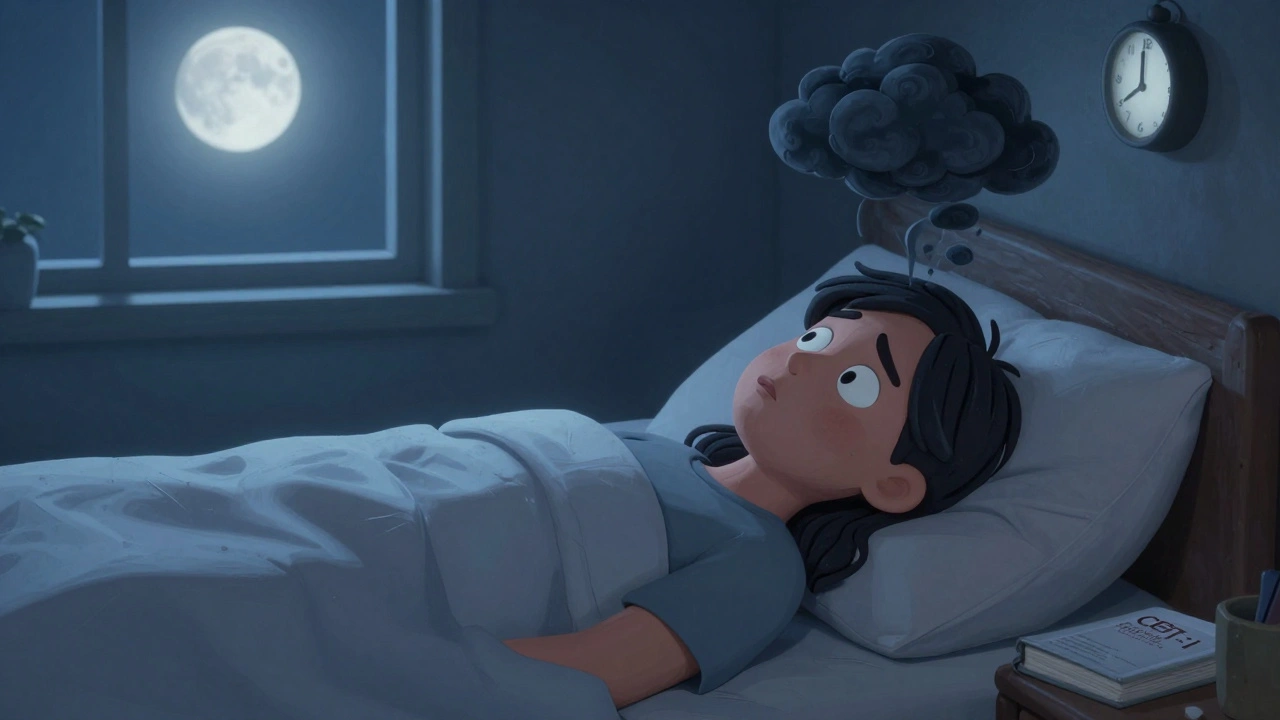
Treating insomnia with CBT-I can significantly reduce symptoms of depression and anxiety, lower relapse risk, and improve long-term mental health outcomes. Learn why sleep-focused therapy is more effective than medication.
Dec 10 2025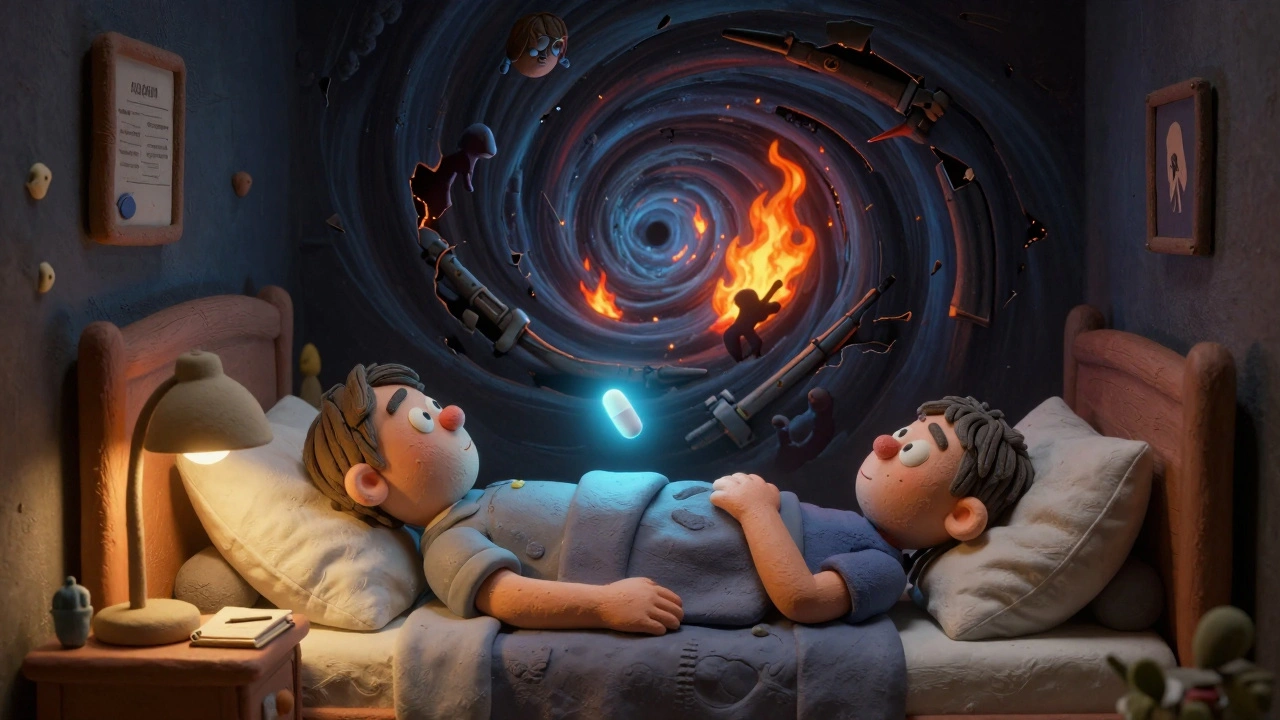
PTSD nightmares affect up to 90% of veterans and over half of civilian survivors. Prazosin can help reduce them, but sleep therapies like CBT-I and IRT offer longer-lasting relief without side effects. Here’s what actually works.
Dec 2 2025
© 2026. All rights reserved.
Menu