

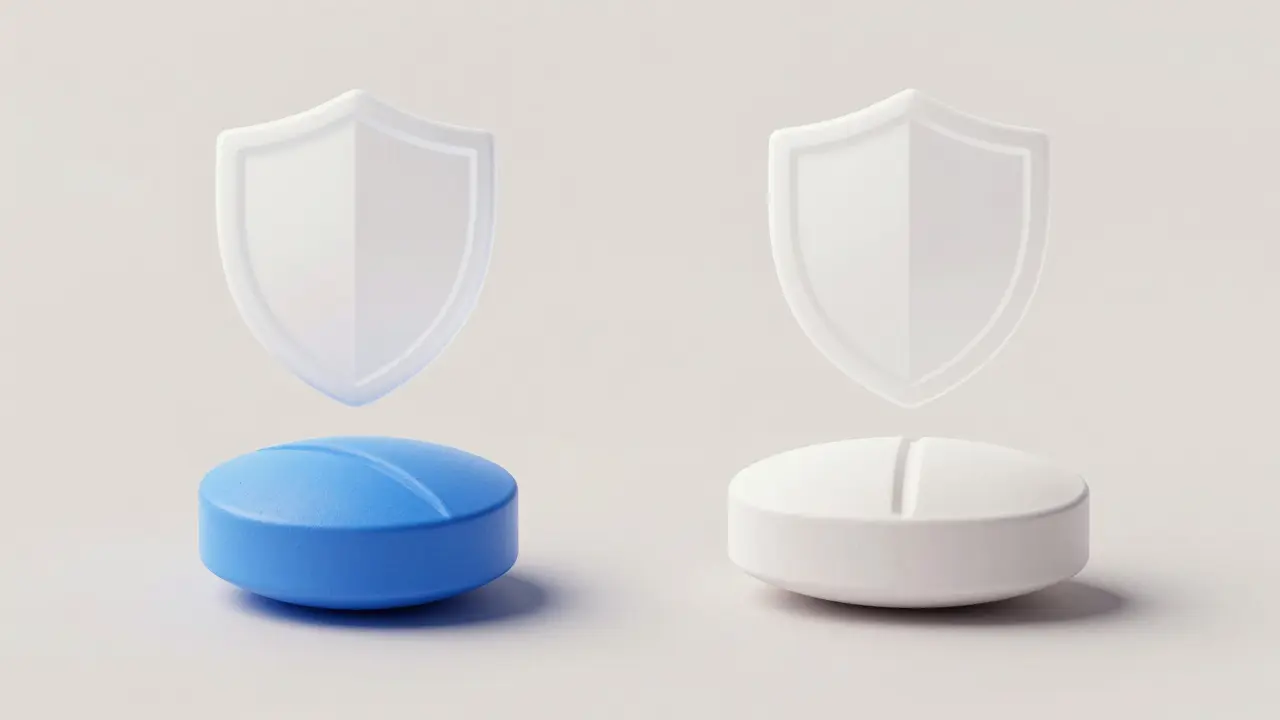
Imagine this: You’ve been taking the same blood pressure pill for years. It’s blue, round, and you know exactly how it makes you feel. Then, your insurance changes, or your hospital switches suppliers. Suddenly, the pill in your hand is white, oval, and looks like something completely different. Your heart skips a beat. Is it still working? Is it safe? This is the exact moment where nursing care becomes critical.
Nurses are often the last line of defense before a patient takes their medication. While pharmacists handle the dispensing, nurses handle the administration-and that’s where trust is built or broken. Counseling patients on generic medications isn’t just about checking a box; it’s about preventing anxiety, ensuring safety, and keeping people healthy. With generics making up 90% of all prescriptions filled in the United States, every nurse encounters these drugs daily. But how do we actually talk to patients about them without causing more confusion?
Why Patients Worry About Generics (And Why It Matters)
Let’s be honest: patients are skeptical. A 2021 FDA Consumer Survey found that 68% of patients believe generic drugs are less effective than their brand-name counterparts. That’s a huge gap in understanding. When a nurse hands a patient a pill that looks different from what they’re used to, that skepticism spikes. If not addressed, it leads to non-adherence-patients simply stop taking their meds because they don’t trust them.
This isn’t just a minor inconvenience. In one 2023 case study published in the American Journal of Health-System Pharmacy, a 68-year-old patient discontinued their levothyroxine after switching to a generic version due to unaddressed concerns about efficacy. The result? A myxedema crisis requiring hospitalization. That’s a severe outcome stemming from a simple lack of communication. Nurses play a pivotal role here because we see patients face-to-face, often during vulnerable moments when they’re anxious about their health.
The core issue isn’t the drug itself-it’s the perception. Generic medications contain the same active ingredients as brand-name drugs, at identical strengths and dosages. They must meet strict FDA requirements for bioequivalence, meaning they work in the body within an 80-125% range of the brand-name drug’s pharmacokinetic profile. But explaining “bioequivalence” to a worried patient doesn’t always land well. We need simpler language.
The Nursing Role vs. Pharmacist Counseling
You might wonder, “Isn’t this the pharmacist’s job?” Well, yes and no. Pharmacists typically address generic substitution at the point of dispensing, often spending 8-12 minutes on counseling sessions according to ASHP Guidelines. Nurses, however, engage patients during administration with shorter, more frequent touchpoints. A 2023 American Journal of Nursing study shows nurses typically spend 3-5 minutes per patient on medication counseling in acute care settings.
Here’s where nursing shines: context. A 2022 comparative study in the Journal of Advanced Nursing found that while pharmacists achieved slightly higher comprehension rates on generic equivalence (93% vs. 89%), nurses were far superior in addressing immediate administration concerns (94% vs. 82%). Why? Because nurses understand the patient’s entire regimen. We know what other pills they’re taking, what side effects they’re already experiencing, and how their condition is progressing. We can contextualize the generic switch within their broader health picture.
In outpatient settings, time constraints can reduce nursing counseling effectiveness by 31%, according to a 2021 study in Nursing Outlook. But in hospitals, where patients receive multiple medications simultaneously, our ability to connect the dots is invaluable. Plus, longitudinal relationship building matters. A 2023 Patient Education and Counseling journal study documented that patients receiving consistent nursing care had 44% fewer concerns about generic substitutions than those interacting primarily with pharmacists.
A Step-by-Step Framework for Effective Counseling
So, how do you actually do it? The Institute for Safe Medication Practices (ISMP) offers a clear 5-step framework that works well in practice:
- Pre-counseling assessment (2 minutes): Ask open-ended questions like, “What do you know about this new pill?” or “Have you taken anything similar before?” Gauge their baseline knowledge and anxiety level.
- Explain FDA bioequivalence standards using plain language (3 minutes): Avoid jargon. Say something like, “This pill has the exact same medicine inside as the old one. The FDA tests it to make sure it works the same way in your body.”
- Address specific concerns about appearance changes (2 minutes): Acknowledge the visual difference. “I know it looks different-different color, maybe a different shape-but that’s just the manufacturer’s design. It doesn’t change how strong it is.”
- Verification of understanding through teach-back (2 minutes): This is crucial. Ask, “Can you tell me in your own words why this new pill is okay to take?” If they can’t explain it back, go again.
- Documentation of counseling elements (1 minute): Record the discussion in the EHR. Most systems now have mandatory fields for generic substitution discussions.
This structured approach ensures consistency and covers all bases. Remember, the goal isn’t just to inform-it’s to reassure.
Handling Special Cases: Narrow Therapeutic Index Drugs
Not all generics are created equal in terms of patient comfort. Some medications, known as narrow therapeutic index (NTI) drugs, require extra caution. These include drugs like warfarin, levothyroxine, and certain anti-seizure medications. For these, even small variations in absorption can matter significantly.
ICU nurse Mark Johnson shared on Nurse.org: “Patients on NTI drugs get understandably anxious when their pill color changes. I’ve had to spend 15 minutes explaining why we’re sticking with the same manufacturer despite insurance pushing for substitution.” This highlights a key nuance: sometimes, staying with the same manufacturer is medically preferable, especially for NTI drugs. Nurses should be aware of the FDA’s list of 15 specific NTI drugs and advocate for consistency when necessary.
If a patient is on an NTI drug and experiences adverse effects after a generic switch, document it thoroughly and notify the provider. Don’t assume it’s just “placebo effect”-it could be real. Your vigilance can prevent serious complications.
Tools and Resources That Help
You don’t have to wing it. Several resources can support your counseling efforts:
- FDA Orange Book: Keep this handy on your tablet or phone. It provides therapeutic equivalence ratings and helps you verify if two drugs are truly interchangeable.
- FDA’s “It’s the Same Medicine” materials: Use these patient-friendly brochures or digital versions to visually reinforce your message.
- Visual aids: Show patients side-by-side comparisons of brand vs. generic pills. Seeing is believing.
- Standardized scripts: Many hospitals now use approved counseling scripts developed by pharmacy and therapeutics committees. These ensure you hit all key points consistently.
RN Sarah Mitchell from Johns Hopkins Hospital noted on AllNurses.com: “When I show patients the FDA Orange Book on my tablet and explain that generics are made in facilities meeting the same quality standards, their anxiety drops dramatically.” Technology and transparency go hand-in-hand here.
Challenges Nurses Face-and How to Overcome Them
Let’s talk reality. Time is tight. A 2022 American Nurses Foundation survey found that 67% of nurses cite time constraints as a major barrier to effective counseling. Language barriers affect 28% of counseling attempts, per 2023 CDC data. And 41% of new graduate nurses report insufficient training on generic medication counseling, according to a 2023 National Council of State Boards of Nursing survey.
So, what can you do?
- Use teach-back efficiently: It’s quick but powerful. One question can reveal whether you need to spend more time or move on.
- Leverage technology: AI-powered counseling tools are emerging. By 2024, 45% of healthcare systems implemented tools that provide real-time FDA Orange Book data at the point of care (HIMSS 2023 Nursing Technology Survey).
- Collaborate with pharmacists: Don’t work in silos. Share insights. If a pharmacist notices a patient struggling with a generic switch, flag it for nursing follow-up.
- Advocate for training: Push for institutional orientation programs that include generic counseling competencies. The average nurse requires 8-10 hours of specialized training to achieve proficiency.
Looking Ahead: Biosimilars and Beyond
Generic counseling isn’t static. As biosimilars become more prevalent-with projected 300% growth by 2028 per IQVIA-nursing competencies will need to expand. Biosimilars are complex biologic medications, and counseling around them requires additional specialized training. The 2024 AACN position statement on biologic medication education emphasizes this growing need.
The Nursing Generic Medication Education Collaborative, launched in January 2024 with funding from the Agency for Healthcare Research and Quality, aims to standardize counseling approaches across 500 hospitals by 2026. This initiative signals a shift toward systematic, evidence-based practices rather than ad-hoc explanations.
For now, focus on mastering the basics. Build trust. Be clear. Be consistent. Your words can mean the difference between a patient adhering to their treatment plan or abandoning it entirely.
Are generic medications really as effective as brand-name drugs?
Yes. Generic medications must meet FDA requirements for bioequivalence, meaning they contain the same active ingredients, strength, and dosage form as brand-name drugs. They are tested to ensure they work in the body within an 80-125% range of the brand-name drug’s pharmacokinetic profile, ensuring therapeutic equivalence.
Why do generic pills look different from brand-name pills?
Generic pills may differ in color, shape, size, or inactive ingredients (like fillers or dyes) because they are manufactured by different companies. These differences do not affect the drug’s effectiveness or safety. The active ingredient remains the same.
What is the “teach-back” method, and why is it important?
The teach-back method involves asking patients to repeat information in their own words to confirm understanding. It’s crucial because it reveals gaps in comprehension early, allowing nurses to clarify misconceptions before the patient leaves care. Studies show it improves medication adherence significantly.
How should nurses handle patients on narrow therapeutic index (NTI) drugs?
For NTI drugs like warfarin or levothyroxine, even small variations in absorption can matter. Nurses should advocate for consistency in manufacturer when possible, monitor closely for adverse effects after switches, and educate patients about the importance of reporting any unusual symptoms immediately.
Where can nurses find reliable resources for counseling patients on generics?
Nurses can use the FDA Orange Book for therapeutic equivalence ratings, FDA’s “It’s the Same Medicine” patient education materials, standardized hospital-approved scripts, and visual aids showing pill comparisons. Many EHRs also integrate real-time access to this data.
Menu