
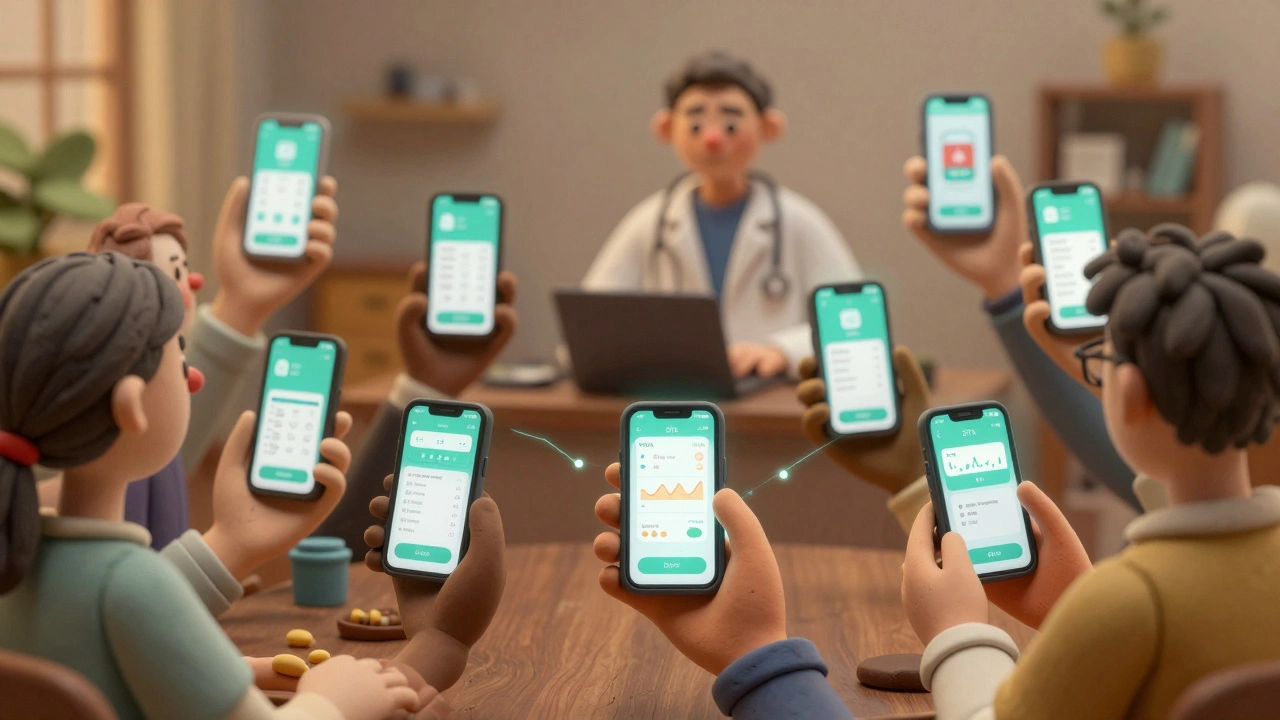
Digital Therapeutic & Medication Interaction Checker
Check for Potential Interactions
Enter your current medications and select a digital therapeutic to see possible interactions based on clinical evidence.
Potential Interaction Found
Recommendation:
When you take a pill every day for your blood pressure, diabetes, or depression, you’re not just managing a condition-you’re fighting a silent battle against forgetfulness, fear, cost, and confusion. Now imagine an app that doesn’t just remind you to take your medicine, but actually helps you stick with it, adjusts your treatment based on how you’re feeling, and talks to your doctor behind the scenes. That’s digital therapeutics (DTx)-and it’s no longer science fiction. By 2025, over 4 million people in the U.S. are using FDA-cleared DTx apps alongside their prescriptions. But here’s the catch: digital therapeutics aren’t just tools. They’re treatments. And like any drug, they can interact with what’s already in your system.
What Exactly Are Digital Therapeutics?
Digital therapeutics aren’t fitness trackers or meditation apps. They’re software that’s been clinically proven to treat, manage, or prevent disease. Think of them as medicine you download. The FDA cleared its first prescription DTx, reSET, in 2018 to treat substance use disorder. Since then, over 60 prescription DTx have been approved, including DaylightRx for generalized anxiety disorder, cleared in September 2024. These aren’t optional add-ons-they’re part of a treatment plan, often prescribed by a doctor and covered by insurance.
DTx work differently depending on the condition. For diabetes, apps like DarioEngage analyze your blood sugar readings, meal logs, and insulin doses to give real-time titration advice. For ADHD, EndeavorRx uses video game-like tasks to train attention networks in the brain. For mental health, apps deliver structured cognitive behavioral therapy (CBT) modules, sometimes with AI that adapts content based on your mood entries. They’re delivered through smartphones, tablets, or web platforms, and many connect to wearables or glucose monitors.
How DTx Improve Medication Adherence
One in three prescriptions goes unfilled. Half of people with chronic conditions like asthma or COPD skip doses regularly. Traditional methods-phone calls, pill organizers, reminders-help a little. But DTx? They change the game.
Apps like Medisafe track when you pick up your meds, scan your prescription labels, and send personalized nudges when you’re late. But they go further. They detect patterns: if you skip your anticoagulant after a night out, they ask why. If your insulin doses are erratic, they flag possible triggers like stress or sleep loss. In clinical trials, DTx improved adherence by up to 25% in conditions where adherence was below 50%. For warfarin users, this isn’t just about convenience-it’s about avoiding strokes or dangerous bleeding.
One Reddit user with type 2 diabetes reported consistent 1.5-2.0% HbA1c drops after using DarioEngage for six months. Not because the app gave them new medicine, but because it helped them stick to the one they already had. That’s the power of DTx: they don’t replace drugs-they make them work better.
The Hidden Risks: When DTx Interact with Medications
Most people assume digital tools are harmless. But DTx aren’t just passive reminders. They’re active interventions. And like any therapy, they can have side effects-and interactions.
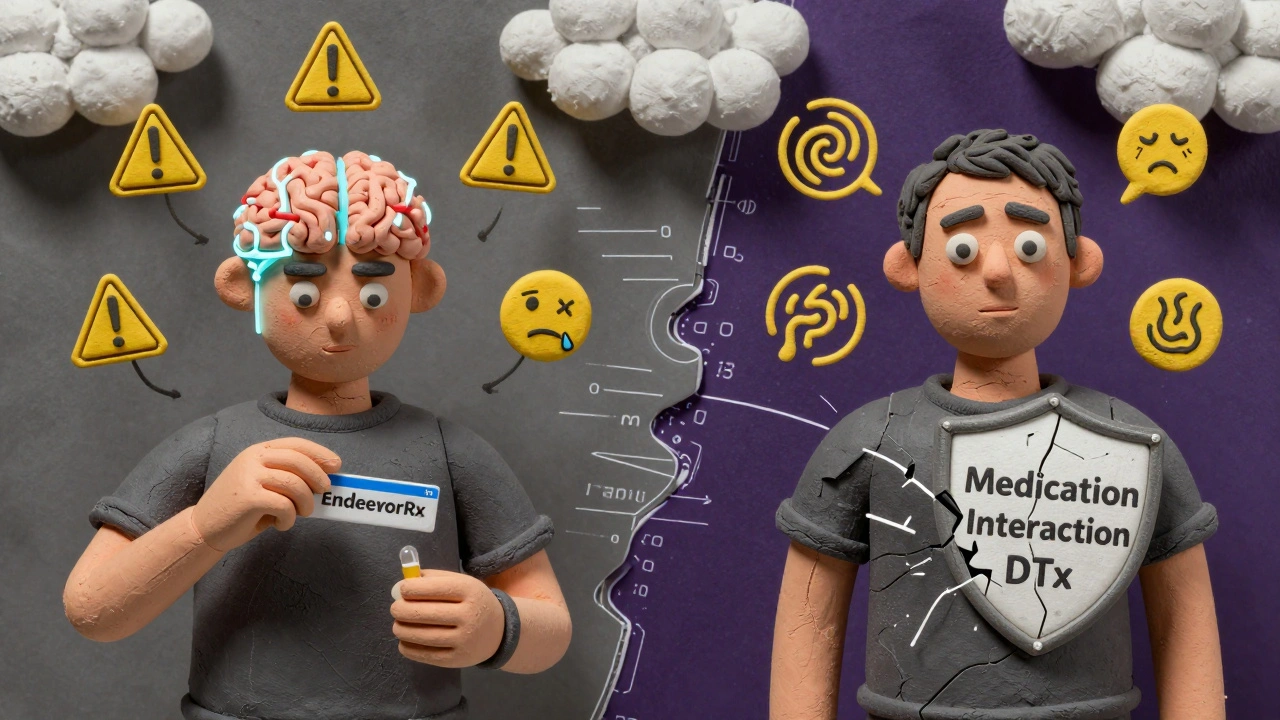
EndeavorRx, the FDA-approved ADHD game, caused dizziness, headaches, or emotional reactions in 7% of users in trials-twice the rate of the control group. For someone already taking stimulants like Adderall, those side effects could compound. A patient on SSRIs using a DTx for depression might feel overwhelmed if the app pushes too many emotional challenges at once, especially if they’re also experiencing medication-induced fatigue or emotional blunting.
There’s also the risk of false reassurance. A patient on antiretrovirals might see their DTx app show “perfect adherence” and assume they’re safe to skip a dose because they “felt fine.” But adherence isn’t just about taking the pill-it’s about timing, food interactions, and drug resistance. A DTx can’t replace a lab test.
And then there’s data. DTx collect sensitive health info: heart rate, sleep, mood logs, medication intake. If the app’s security is weak-or if it shares data with third-party advertisers-your medication history could be exposed. Mental health DTx are especially vulnerable. SAMHSA warns that many apps marketed as “wellness tools” aren’t regulated at all, and patients don’t know which ones are safe to use with their prescriptions.
Who Benefits Most-and Who Gets Left Behind
DTx shine in chronic conditions where behavior drives outcomes: diabetes, hypertension, asthma, depression, opioid use disorder. A 2024 study showed DTx used with buprenorphine reduced illicit opioid use by 16.3% more than medication alone. That’s life-changing.
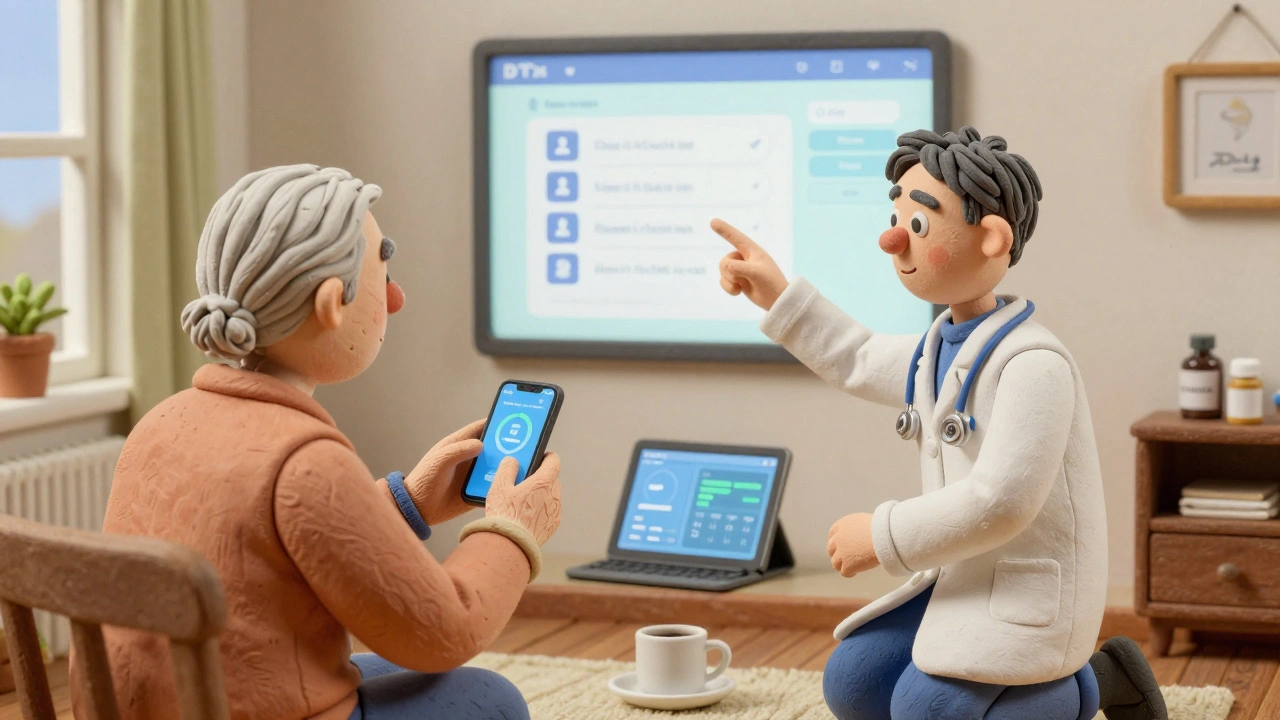
But not everyone can use them. Patients over 65 are 45% more likely to quit DTx within weeks if they don’t get in-person help. Tech anxiety, poor eyesight, or unfamiliarity with smartphones make these tools frustrating, not helpful. In one study, 38% of patients over 70 stopped using DTx within 30 days without a “DTx navigator”-a staff member who walks them through setup, troubleshoots issues, and connects app data to their doctor’s decisions.
There’s also a gap in equity. DTx often require reliable Wi-Fi, a smartphone, and the ability to navigate complex menus. Rural patients, low-income users, and non-English speakers are less likely to benefit. If your doctor prescribes DaylightRx but you don’t have a recent iPhone or Android, you’re out of luck.
Integration Challenges: DTx and Your Doctor’s System
Imagine your DTx app detects you’ve missed three insulin doses this week. It sends an alert to your endocrinologist. Sounds great-until your doctor’s EHR doesn’t recognize the app’s data. That’s the reality for most providers.
DTx platforms rarely talk smoothly to hospital systems. A 2023 McKinsey report found that 67% of healthcare providers struggle with unclear reimbursement rules, and 3-4 weeks of IT work are needed just to connect one DTx app to their EHR. Without integration, DTx data stays siloed. Your doctor never sees it. The app’s insights go unused. You’re left wondering why the app matters if no one’s looking.
Successful implementations pair DTx with regular clinical touchpoints. A nurse reviews your app data during a telehealth visit. Your pharmacist flags a trend in missed doses. That’s how DTx become part of care-not just a gadget.
The Future: Personalized, Real-Time Medication Management
The next big leap? DTx that adjust your meds automatically. Imagine your diabetes app notices your blood sugar spikes after eating pasta. It doesn’t just warn you-it suggests a 10% reduction in your evening insulin dose, sends the change to your doctor for approval, and updates your prescription in the pharmacy system. That’s not fantasy. ASCPT predicts this kind of real-time, data-driven dosing will become standard by 2027.
By 2026, 40% of chronic disease management will include DTx. Specialty pharmacies will require DTx enrollment to process high-cost prescriptions. Pharma companies are already bundling DTx with drugs like insulin pens and biologics. The goal? Better outcomes, fewer hospital visits, lower costs.
But this future only works if we fix the gaps: stronger safety monitoring, clearer regulations, better access, and true integration with care teams. The FDA is expected to release new guidance in mid-2025 on how to study DTx alongside medications-finally requiring real-world data on drug interactions.
What Should You Do Now?
If you’re prescribed a DTx:
- Ask your doctor: Is this FDA-cleared? What’s the evidence? How does it interact with my current meds?
- Check if your app connects to your pharmacy or EHR. If not, ask if a “DTx navigator” is available.
- Don’t assume it’s safe just because it’s digital. Report side effects like dizziness, anxiety, or frustration to your provider.
- If you’re over 65 or struggle with tech, insist on in-person setup help. Don’t quit because it’s confusing.
If you’re a caregiver or provider:
- Treat DTx like a drug-not a bonus feature. Document its use in the chart.
- Screen patients for digital literacy before prescribing.
- Push for EHR integration. If your system doesn’t support it, demand it.
Digital therapeutics aren’t replacing pills. They’re making them matter more. But they’re not magic. They’re medicine. And like all medicine, they need to be used wisely.
Are digital therapeutics the same as wellness apps like Calm or Headspace?
No. Wellness apps are for general stress relief or mindfulness and aren’t regulated as medical devices. Digital therapeutics (DTx) are clinically proven, FDA-cleared treatments prescribed for specific conditions like anxiety, ADHD, or diabetes. They’re held to the same standards as drugs and require evidence of safety and effectiveness before approval.
Can digital therapeutics replace my medication?
Sometimes, but rarely. DaylightRx, for example, is approved as a standalone treatment for generalized anxiety disorder. But most DTx are designed to support medication-not replace it. For conditions like diabetes or hypertension, DTx help you take your meds correctly and improve outcomes, but they don’t eliminate the need for drugs. Never stop or change your medication without talking to your doctor.
Do digital therapeutics have side effects?
Yes. While they’re software, they’re still medical interventions. EndeavorRx caused dizziness, headaches, and emotional reactions in 7% of users. Apps that push intense CBT modules can trigger anxiety in people on antidepressants. Even simple reminders can cause stress if they feel overwhelming. Always report any new symptoms to your provider.
How do I know if a digital therapeutic is safe to use with my current meds?
Ask your doctor or pharmacist. Only use DTx that are FDA-cleared for your condition and prescribed to you. Check the app’s website for clinical studies on drug interactions. Avoid non-prescription apps marketed as “mental health tools” unless they’re clearly labeled as medical devices. When in doubt, skip it.
Why do some people stop using digital therapeutics?
Common reasons include poor usability (especially for older adults), lack of integration with their care team, feeling overwhelmed by data, or not seeing results. Patients over 65 are 45% more likely to quit without in-person support. If you’re struggling, ask for help-many programs offer “DTx navigators” to guide you through setup and troubleshooting.
Sheldon Bird
December 12, 2025 AT 12:45Jennifer Taylor
December 13, 2025 AT 12:06Harriet Wollaston
December 15, 2025 AT 03:37Richard Ayres
December 16, 2025 AT 18:22Jade Hovet
December 17, 2025 AT 00:36Ronan Lansbury
December 18, 2025 AT 20:00Michael Gardner
December 18, 2025 AT 23:42Shelby Ume
December 20, 2025 AT 20:36John Fred
December 20, 2025 AT 22:43nithin Kuntumadugu
December 22, 2025 AT 05:25Willie Onst
December 22, 2025 AT 22:03Karen Mccullouch
December 22, 2025 AT 22:41