

That familiar throb behind your eyes or the vice-like grip around your temples might feel like just another bad day. But what if that pain is actually a signal from a completely different neurological system? Misdiagnosing headaches is shockingly common-up to 50% of cases are initially labeled incorrectly, according to a 2021 study by Mayo Clinic. This isn't just a paperwork error; it means you're likely taking the wrong medication for the wrong problem, leaving you in pain and frustrated.
You don't have to guess what's happening inside your head. By understanding the distinct differences between tension-type headaches, migraines, and cluster headaches, you can stop treating symptoms blindly and start managing them effectively. Let's break down exactly how these three conditions differ in cause, sensation, and treatment.
The Squeeze: Understanding Tension-Type Headaches
If you've ever described your headache as feeling like someone tightened a band around your forehead, you're likely dealing with a tension-type headache (TTH). First formally described by Dr. Harold Wolff in 1948, this is the most common headache disorder globally, affecting roughly 42% of people worldwide according to the Global Burden of Disease Study 2019.
Tension-type headaches are characterized by bilateral, mild to moderate pressure-like or squeezing pain typically described as a 'hatband' or 'vice-like' sensation around the forehead, temples, or back of the head. The pain usually lasts anywhere from 30 minutes to seven days. If you experience these on 15 or more days per month for at least three months, doctors classify it as chronic TTH.
Here is what makes TTH unique:
- Sensation: A dull, pressing ache rather than a sharp or pulsating pain.
- Location: Usually both sides of the head (bilateral).
- Triggers: Stress, poor posture, eye strain, and dehydration are common culprits.
- Activity Level: Unlike migraines, routine physical activity like walking up stairs does not make the pain worse.
Most people can manage occasional tension headaches with over-the-counter non-steroidal anti-inflammatory drugs (NSAIDs) like ibuprofen or aspirin, which work for about 70% of cases. However, relying on these too frequently can lead to "rebound headaches," where the medication itself causes more pain when it wears off.
The Storm: Decoding Migraine Symptoms
Migraines are often mistaken for "bad headaches," but they are actually a complex neurological disorder. While tension headaches involve muscle tension and central pain modulation, migraines involve a phenomenon called cortical spreading depression and activation of the trigeminovascular system. This biological difference explains why a simple painkiller often fails to stop a migraine.
Affecting nearly 20% of women and 10% of men globally, migraines peak in prevalence between ages 35 and 39. They are not just a headache; they are a full-body event.
| Feature | Detail |
|---|---|
| Pain Quality | Throbbing or pulsating (unilateral in 26% of cases, bilateral in 40%) |
| Duration | 4 to 72 hours if untreated |
| Associated Symptoms | Nausea (90%), Photophobia/sensitivity to light (80%), Phonophobia/sensitivity to sound |
| Aura | Visual disturbances (flashing lights, zigzag lines) occur in 25-30% of sufferers before pain starts |
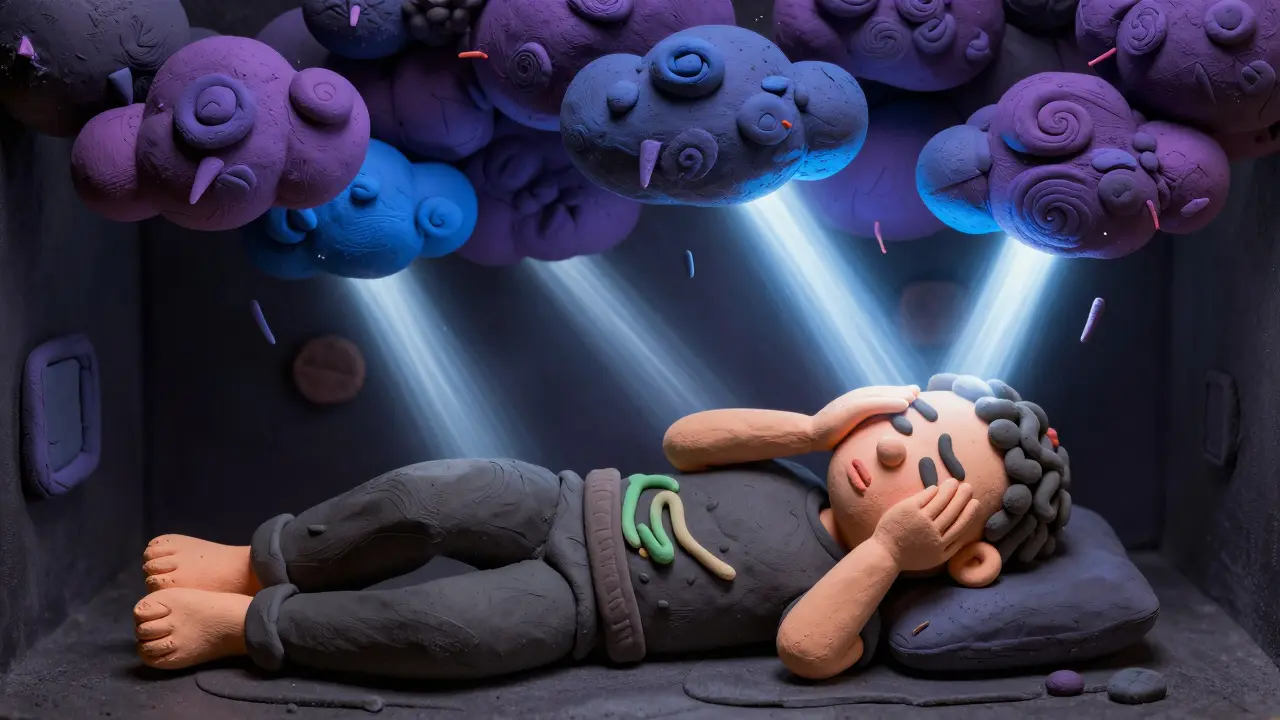
| Behavioral Response | Patients typically seek stillness, darkness, and silence |
One critical marker is nausea. It occurs in 90% of migraine attacks but rarely in tension headaches. If you feel sick to your stomach along with the head pain, it is highly probable you are experiencing a migraine. Furthermore, many migraineurs experience an "aura"-visual changes like flashing lights or blind spots-that begins 5 to 60 minutes before the pain hits. This warning sign allows some patients to take preventive medication early, potentially reducing the severity of the attack.
The Attack: The Reality of Cluster Headaches
Cluster headaches are rare, affecting only about 1 in 1,000 adults, but they are widely considered one of the most painful conditions known to medicine. Often called "suicide headaches" due to their intensity, they belong to a family of disorders known as trigeminal autonomic cephalalgias (TACs).
First described by Dr. Wilfred Harris in 1926, cluster headaches are driven by hypothalamic activation. This is why they often strike at the same time every day or night, waking patients from sleep. During a "cluster period," which can last 6 to 12 weeks, a patient may suffer 1 to 8 attacks daily.
How do you spot a cluster headache?
- Extreme Pain: Rated 8-10 on the pain scale, strictly on one side of the head, usually centered around or behind one eye.
- Short Duration: Attacks last only 15 to 180 minutes, averaging 45-90 minutes.
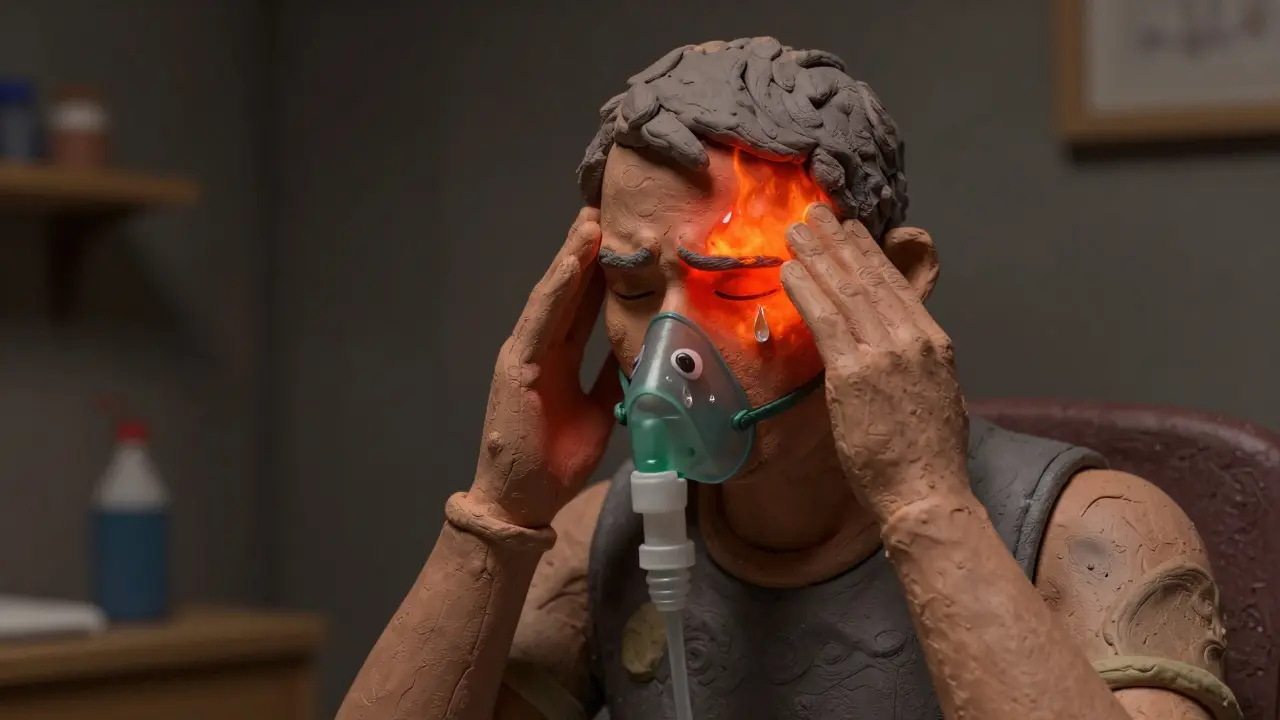
- Autonomic Symptoms: Because the trigeminal nerve is involved, you will see physical signs on the painful side: tearing eyes (lacrimation), red eye (conjunctival injection), runny or stuffy nose, and sometimes a drooping eyelid (ptosis).
- Restlessness: Unlike migraine sufferers who lie still, cluster headache patients often pace, rock, or bang their heads against walls to distract from the pain.
Dr. Shivang Joshi, a headache specialist, notes a common diagnostic pitfall: migraine patients sometimes have autonomic features like tearing eyes, leading doctors to falsely diagnose them with cluster headaches. The key differentiator is duration and frequency. A cluster attack is short but frequent during a bout; a migraine is long-lasting but less frequent.
Why Diagnosis Matters: Treatment Paths Diverge
Treating a migraine with tension headache meds, or vice versa, is ineffective because the underlying mechanisms are different. Accurate diagnosis is the first step to relief.
Tension Headache Management: For episodic tension headaches, NSAIDs are the first line of defense. For chronic cases, doctors may prescribe tricyclic antidepressants like amitriptyline, which help modulate pain signals in the brain. Lifestyle changes such as stress management, ergonomic adjustments, and regular exercise are crucial.
Migraine Management: Migraines require specific abortive medications. Triptans (like sumatriptan) have been the gold standard for decades, blocking pain pathways in the brain. Recently, CGRP inhibitors (such as erenumab and atogepant) have revolutionized treatment. These newer drugs target calcitonin gene-related peptide, a protein involved in migraine inflammation. Atogepant, approved for cluster headache prevention in 2023, showed a 71% reduction in weekly attacks in clinical trials.
Cluster Headache Management: Over-the-counter painkillers do not work for cluster headaches because the onset is too rapid. The most effective acute treatments are high-flow oxygen therapy (inhaling 100% oxygen via a non-rebreather mask), which stops 70-80% of attacks within 15 minutes, and subcutaneous sumatriptan injections. For prevention, verapamil is commonly used, though new options like galcanezumab are emerging.
Tracking Your Pain: The Diagnostic Diary
Since misdiagnosis is so common, your best tool is data. The American Headache Society recommends keeping a headache diary for at least four weeks before seeing a doctor. Record the following:
- Date and Time: When did it start? Did it wake you up?
- Duration: How long did it last?
- Intensity: Rate it on a scale of 0-10.
- Location: One side? Both sides? Behind the eyes?
- Associated Symptoms: Nausea? Light sensitivity? Eye tearing? Runny nose?
- Medication Taken: What did you take and did it help?
This log helps neurologists distinguish between the patterns. For instance, if your headaches always happen at 3 AM and last 45 minutes with a red eye, the diary points clearly to cluster headaches. If they last all day after a stressful meeting with no other symptoms, it points to tension headaches.
Economic and Personal Impact
The impact of these disorders extends beyond physical pain. Migraines alone cost the US economy $36 billion annually in direct medical costs and lost productivity, according to a 2022 study in the Journal of Headache and Pain. Globally, the headache treatment market was valued at $4.2 billion in 2022, reflecting the massive burden of disease.
On a personal level, disability scores vary wildly. According to 2023 Headache Impact Test data, 75% of cluster headache patients score Grade IV (severe disability), compared to 45% of migraine patients and only 15% of tension headache patients. Cluster headache patients report pain "1000 times worse than childbirth" and often require emergency care, with only 12% successfully self-treating at home.
Can you have both tension headaches and migraines?
Yes, it is possible to have comorbid headache disorders. Many people who suffer from migraines also experience tension-type headaches. However, the treatments differ. Treating the underlying migraine disorder often reduces the frequency of associated tension headaches, but specific management plans should be developed with a healthcare provider.
What is the fastest way to stop a cluster headache?
The fastest and most effective acute treatments for cluster headaches are high-flow oxygen therapy (100% oxygen via a non-rebreather mask) and subcutaneous sumatriptan injections. Over-the-counter pain relievers like ibuprofen are generally ineffective because they take too long to absorb and act.
How do I know if my headache is a migraine or tension headache?
Key differentiators include pain quality and associated symptoms. Migraines are typically throbbing, unilateral (one-sided), and accompanied by nausea, light sensitivity, or sound sensitivity. Tension headaches are usually bilateral, pressing/tightening, and lack severe associated symptoms like nausea. Physical activity worsens migraines but not tension headaches.
Are cluster headaches genetic?
There appears to be a genetic component to cluster headaches, as they tend to run in families. However, the exact inheritance pattern is complex and not fully understood. Environmental triggers like alcohol and strong smells can provoke attacks during a cluster period, but they do not cause the condition itself.
What are CGRP inhibitors and who are they for?
CGRP (calcitonin gene-related peptide) inhibitors are a newer class of medications designed to prevent migraines and cluster headaches by blocking a protein involved in inflammation and pain transmission. Examples include erenumab (Aimovig) and atogepant (Qulipta). They are particularly useful for patients who do not respond well to traditional preventatives or cannot tolerate their side effects.
Understanding the specific type of headache you are experiencing is the first step toward effective management. Whether it is the dull squeeze of tension, the debilitating storm of a migraine, or the intense attack of a cluster headache, targeted treatment exists. Keep a diary, track your symptoms, and consult a specialist if over-the-counter remedies fail to provide relief.
Menu