
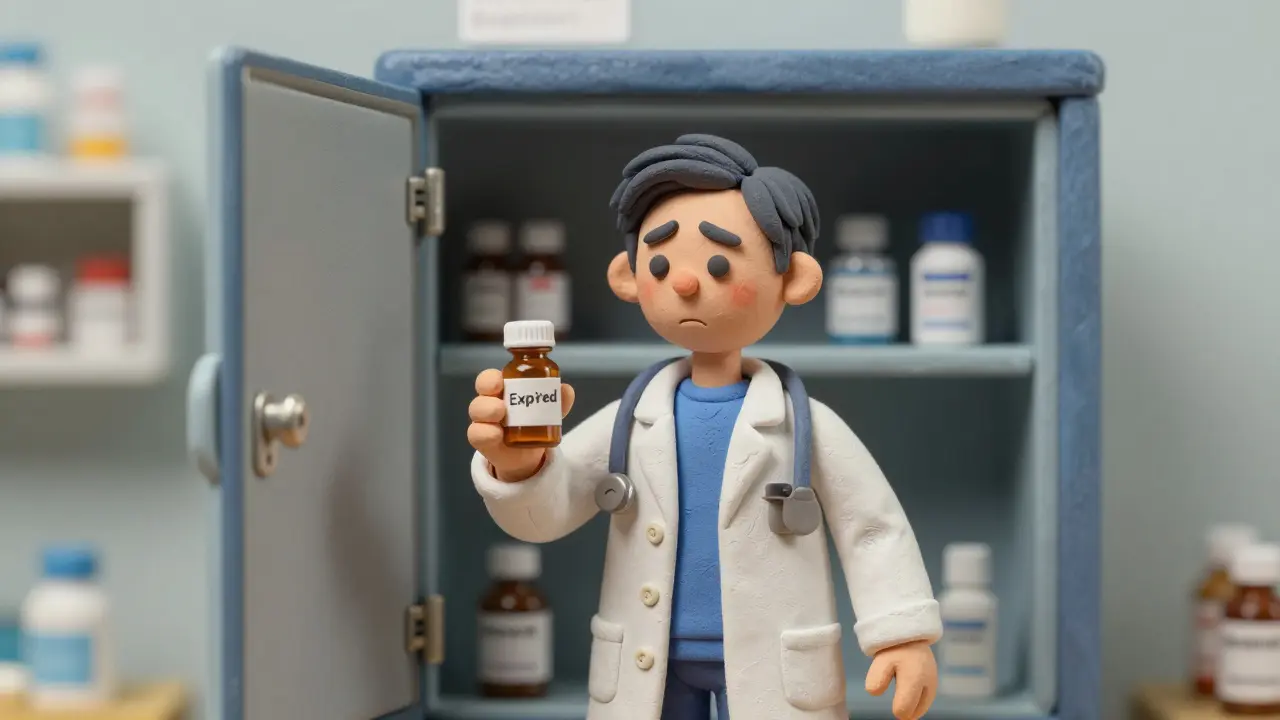
Imagine opening your secure cabinet or storage area and finding a bottle of medication that has passed its expiration date. If it’s just regular painkillers, you might toss them in the trash without thinking twice. But if that bottle contains controlled substances, such as opioids or benzodiazepines, throwing them away is not an option. In fact, doing so could land you in serious legal trouble.
You are likely a healthcare provider, a researcher, or perhaps a veterinarian dealing with these high-risk medications daily. The question isn’t whether you *can* dispose of them-it’s how you do it correctly under federal law. The stakes are high because improper disposal leads to drug diversion, which is the illegal transfer of prescription drugs from their intended use to unauthorized individuals. This guide breaks down exactly what you need to know to stay compliant with the Drug Enforcement Administration (DEA) and protect your practice.
Why Disposal Rules Are So Strict for Controlled Substances
The rules for disposing of expired narcotics aren't arbitrary bureaucracy; they exist to prevent abuse and protect public safety. Under the Controlled Substances Act (CSA), enacted in 1970, the government strictly regulates substances with high potential for addiction or abuse. When these drugs expire, they don’t just lose potency-they become hazardous waste if handled incorrectly.
The primary goal of these regulations is to ensure a complete chain of custody. From the moment a drug is ordered until it is destroyed, every gram must be accounted for. The Secure and Responsible Drug Disposal Act of 2010 amended the CSA to make it easier for proper disposal while tightening enforcement against illegal dumping. Today, entities like hospitals, dental offices, and veterinary clinics must follow specific protocols outlined in Title 21 of the Code of Federal Regulations (21 CFR) Part 1317. Ignoring these rules can result in hefty fines, loss of DEA registration, or even criminal charges.
Understanding the Schedules: Not All Drugs Are Treated Equally
Before you start the disposal process, you need to know which schedule the substance falls under. The DEA categorizes controlled substances into five schedules based on their medical use and potential for abuse. Your disposal method depends heavily on this classification.
- Schedule I & II: These include drugs with no accepted medical use (like heroin) or high abuse potential with severe dependence liability (like oxycodone, fentanyl, and morphine). These require the strictest handling procedures.
- Schedule III, IV, & V: These have lower abuse potential (like certain sleep aids, anti-anxiety meds, or cough syrups with codeine). While still regulated, their disposal processes are slightly less rigorous than Schedule I and II.
For example, disposing of a bottle of expired Vicodin (Schedule II) requires different paperwork and witnesses compared to disposing of Xanax (Schedule IV). Misclassifying a drug can lead to compliance failures during audits.
Inventory Disposal vs. Wastage: Knowing the Difference
A common point of confusion is the difference between "inventory disposal" and "wastage." Understanding this distinction saves time and money.
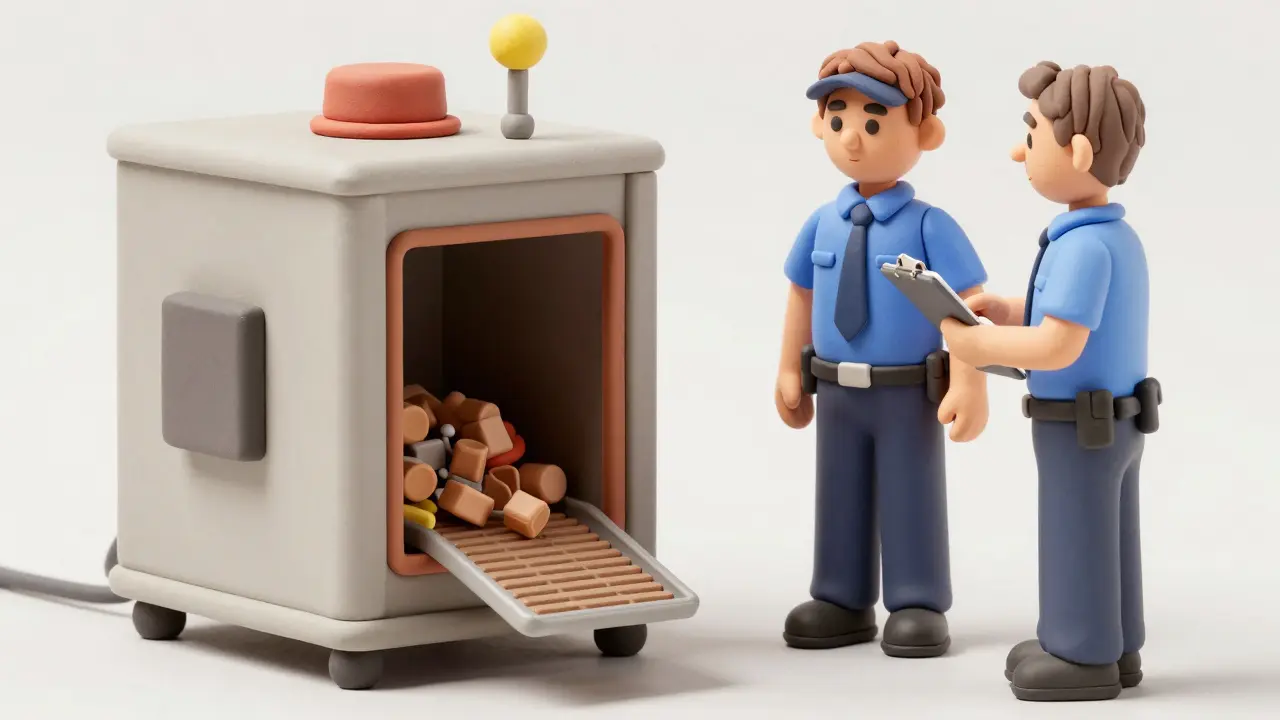
Inventory Disposal refers to larger quantities of expired or unwanted controlled substances. You cannot simply destroy these yourself. They must be transferred to a reverse distributor, a licensed entity authorized by the DEA to take back and destroy controlled substances. The reverse distributor will render the drugs non-retrievable, typically through incineration. This process usually involves fees, averaging $250-$500 per pickup depending on the quantity and vendor.
Wastage applies to small quantities that are spilled, contaminated, or rendered unusable during normal operations. For wastage, you may be able to perform the destruction in-house, but only if two authorized personnel witness the process. However, note that "rendering non-retrievable" is key. Simply flushing drugs down the sink or mixing them with coffee grounds is generally unacceptable for controlled substances with recoverable amounts, according to recent guidelines from institutions like the University of Michigan and UCSF.
| Substance Schedule | Disposal Method | Required Documentation | Witnesses Needed |
|---|---|---|---|
| Schedule I & II | Reverse Distributor (Incineration) | DEA Form 222 (or electronic equivalent) | Two DEA-licensed individuals |
| Schedule III-V | Reverse Distributor or Approved On-Site Destruction | Internal logs + Recipient details | Two authorized personnel |
Step-by-Step Guide to Proper Disposal
If you have expired controlled substances sitting in your cabinet, here is how to handle them correctly. Follow these steps to ensure compliance and avoid penalties.
- Label Clearly: Immediately mark the containers as "Expired," "To Be Disposed," or "Do Not Use." Separate them from your active inventory to prevent accidental administration. Store them in a locked, secure location.
- Identify the Quantity: Determine if this qualifies as inventory disposal (bulk/expired stock) or wastage (small/spilled amounts). Most expired stock falls under inventory disposal.
- Contact a Reverse Distributor: Find a DEA-registered reverse distributor. Major players include Stericycle, Daniels Health, and DLD. Request a pickup. Note that scheduling can take up to two weeks, so plan ahead.
- Complete Required Forms: For Schedule II substances, you must use DEA Form 222 to authorize the transfer to the reverse distributor. As of January 2023, the Electronic Registration System (ERS) allows for faster processing of these forms. For Schedule III-V, maintain internal records including the date, quantity, and recipient’s name and address.
- Witness the Transfer: Two authorized personnel must witness the handover or destruction. One should ideally be the registrant or an authorized agent. Both must sign the documentation confirming the disposal occurred as directed.
- Update Your Inventory: Record the disposal in your controlled substance log. Zero out the balance for those specific bottles. Keep these records for at least two years, as required by DEA regulations.
Common Mistakes to Avoid
Even experienced professionals make errors when disposing of narcotics. Here are the most frequent pitfalls:
- Using Household Methods: Never mix controlled substances with cat litter, coffee grounds, or food scraps unless explicitly approved for very small wastage amounts. The DEA considers these methods unacceptable for significant recoverable amounts. Flushing is also discouraged due to environmental concerns.
- Inadequate Documentation: Failing to keep records for two years is a major red flag during inspections. Ensure every signature, date, and quantity is logged accurately.
- Ignoring Training Requirements: The DEA mandates initial 2-hour training and annual 1-hour refreshers for all staff handling disposal. Only 67% of facilities meet this requirement, making it a common area for citation.
- Delaying Pickup: Don’t let expired drugs pile up. Schedule pickups regularly to minimize security risks and storage clutter.

The Role of Technology in Compliance
Technology is changing how we manage controlled substance disposal. Many large institutions now use systems like the Research Inventory Online (RIO) to track waste requests digitally. This reduces human error compared to paper-based logs, which have an error rate of nearly 19% in some audits.
Looking ahead, the DEA plans to implement the Electronic Inventory Management System (EIMS) by 2025. This system will require real-time reporting of disposals, further tightening oversight. Staying ahead of these changes by adopting digital tracking tools now can save you headaches later.
What About Veterinary Practices?
Veterinarians face unique challenges. A survey found that over 40% of small animal practices were confused about acceptable disposal methods. Remember, the same DEA rules apply to veterinary practices as they do to human healthcare providers. Always use a reverse distributor for Schedule II drugs and ensure your staff is trained on witnessing procedures. Improper disposal contributes significantly to drug diversion cases in veterinary settings.
Can I flush expired controlled substances down the toilet?
Generally, no. While the FDA previously suggested flushing for certain highly dangerous drugs to prevent immediate ingestion, current DEA guidance discourages flushing controlled substances due to environmental impact and lack of chain-of-custody documentation. Always use a reverse distributor or approved on-site destruction method witnessed by authorized personnel.
How long do I need to keep disposal records?
You must retain all records related to the disposal of controlled substances for at least two years from the date of disposal. This includes logs, witness signatures, and copies of DEA Form 222 or equivalent documentation.
Who qualifies as a witness for disposal?
Two authorized personnel must witness the disposal. At least one should be the DEA registrant or an authorized agent designated on file with the DEA. Both must sign the documentation confirming the destruction occurred.
What is a reverse distributor?
A reverse distributor is a company licensed by the DEA to accept, store, transport, and destroy controlled substances. They ensure the drugs are rendered non-retrievable, typically through incineration, and provide the necessary documentation for your records.
Are there any free disposal options for small practices?
The DEA hosts National Take Back Days twice a year where the public can drop off unused medications, but this is primarily for consumers, not registered entities. Healthcare facilities must use reverse distributors. However, some states or local health departments may offer subsidized programs; check with your local authorities.
Menu