
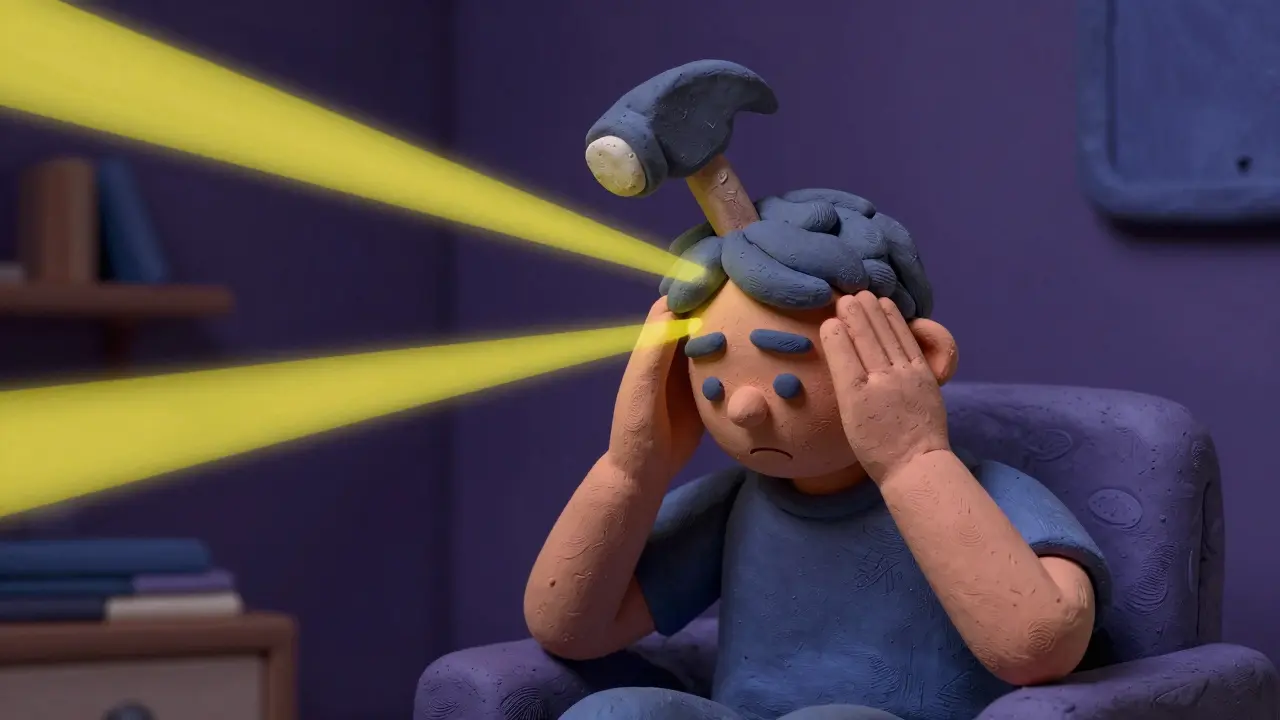
Imagine a pain so intense it feels like a pulsating hammer inside your skull, making every flicker of light feel like a needle and every sound like a shout. For about 1 billion people worldwide, this isn't just a bad headache-it's a debilitating neurological reality. Dealing with migraine disorder is less about "toughing it out" and more about a strategic, two-pronged attack: stopping the pain the moment it hits and preventing the next one from ever starting.
Whether you're dealing with a few episodes a year or the grueling cycle of chronic migraine, the goal isn't just fewer headaches. It's about regaining your life. Modern medicine has moved past simple painkillers, shifting toward disease-modifying therapies that target the actual biological pathways of the brain. If you feel like you've tried everything and nothing works, it might be because you're using a one-size-fits-all approach for a condition that is deeply personal.
Understanding the Migraine Blueprint
To treat a migraine, you first have to know what kind you're fighting. According to the ICHD-3 (International Classification of Headache Disorders), migraines aren't just "headaches." They are complex neurological events. For instance, migraine without aura is characterized by pulsating pain, usually on one side of the head, lasting anywhere from 4 to 72 hours. You'll likely feel nauseous or find yourself craving a dark, silent room.
Then there is migraine with aura. About 90% of these cases involve visual disturbances-think flashing lights or blind spots-that spread gradually over five minutes. Other people might experience tingling in their limbs or difficulty speaking. When these attacks happen 15 or more days a month for at least three months, it crosses the threshold into chronic migraine, a state where the brain is essentially in a constant state of hyperexcitability.
Stopping the Attack: Acute Treatment Strategies
When a migraine hits, the clock is ticking. Experts suggest intervening within 20 minutes of the first sign of pain or aura to get the best results. The strategy usually follows a "stepped-care" approach, meaning you start with the mildest option and move up based on severity.
For mild attacks, over-the-counter NSAIDs like ibuprofen or naproxen are the go-to. Some find relief with combination pills that mix acetaminophen, aspirin, and caffeine. However, for moderate to severe pain, these often fall short. This is where triptans come in. Drugs like sumatriptan or rizatriptan are the gold standard for acute care because they specifically target the blood vessels and nerves in the brain.
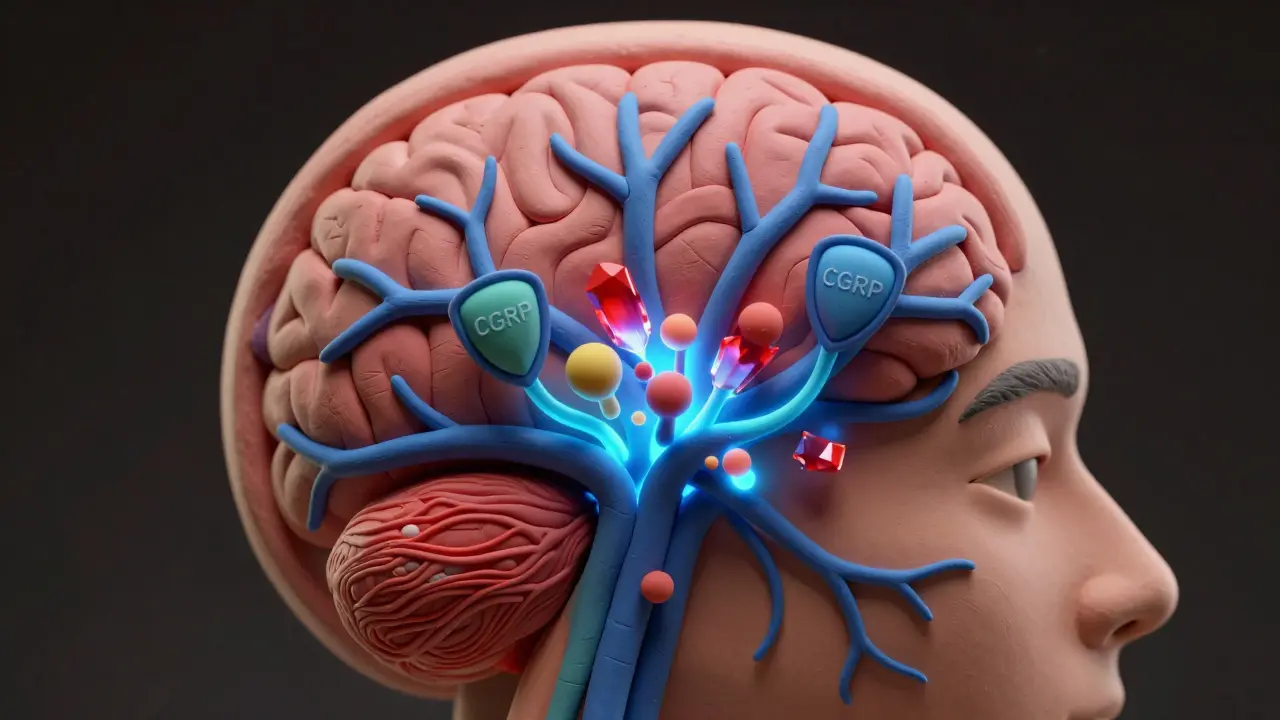
Not everyone can take triptans, especially those with certain cardiovascular issues. For them, newer classes of drugs called gepants (like ubrogepant) and ditans (like lasmiditan) offer a safer alternative. These target the CGRP receptor without constricting blood vessels, providing a vital lifeline for patients who previously had no safe acute options.
| Treatment Class | Common Examples | Best For... | Key Limitation |
|---|---|---|---|
| NSAIDs | Ibuprofen, Naproxen | Mild attacks, early onset | Low efficacy for severe pain |
| Triptans | Sumatriptan, Rizatriptan | Moderate to severe pain | Not for heart disease patients |
| Gepants | Ubrogepant, Rimegepant | CGRP blockade, CV safety | Higher cost / Insurance hurdles |
| Ditans | Lasmiditan | Severe pain, no CV risk | Possible drowsiness |
Preventing the Storm: Long-Term Management
If you're treating your migraines more than two days a week, you're no longer just treating symptoms-you're managing a chronic condition. Preventive therapy aims to lower the frequency and intensity of attacks, ideally reducing your monthly headache days by 50% or more.
Traditional preventives include beta-blockers (like propranolol) to stabilize blood flow, or anticonvulsants like topiramate. While effective, these can come with "brain fog" or mood changes. For those with chronic migraine, Botox (Botulinum toxin type A) is often a game-changer, with injections every 12 weeks that can significantly cut down the number of pain days.
The biggest breakthrough in recent years is the arrival of CGRP monoclonal antibodies. Medications like erenumab and fremanezumab are designed specifically for migraines, unlike the older drugs that were repurposed from blood pressure or seizure treatments. They block the calcitonin gene-related peptide, a molecule that spikes during a migraine and causes inflammation and pain. Because they are so targeted, they typically have fewer side effects than older preventives.
If you prefer a drug-free approach, neuromodulation devices are becoming more common. The Cefaly device, for example, uses electrical stimulation on the supraorbital nerve to desensitize the pain pathway. While it requires daily use and a bit of patience, it offers a way to manage the disorder without adding more chemicals to your system.
The Hidden Trap: Medication-Overuse Headache
There is a dangerous paradox in migraine treatment: the more you treat the pain, the more pain you might create. This is called medication-overuse headache (MOH). When you use acute medications-especially triptans or combination analgesics-more than 10 to 15 days a month, your brain becomes hypersensitive.
Eventually, as the medication wears off, it triggers a "rebound" headache, which leads you to take more medication, creating a vicious cycle. You might feel like your migraines are getting worse or that your meds aren't working anymore, but in reality, the meds themselves have become the trigger. Breaking this cycle usually requires a "detox" period under a doctor's supervision to reset the brain's pain threshold.
Personalizing Your Protocol: Triggers and Tracking
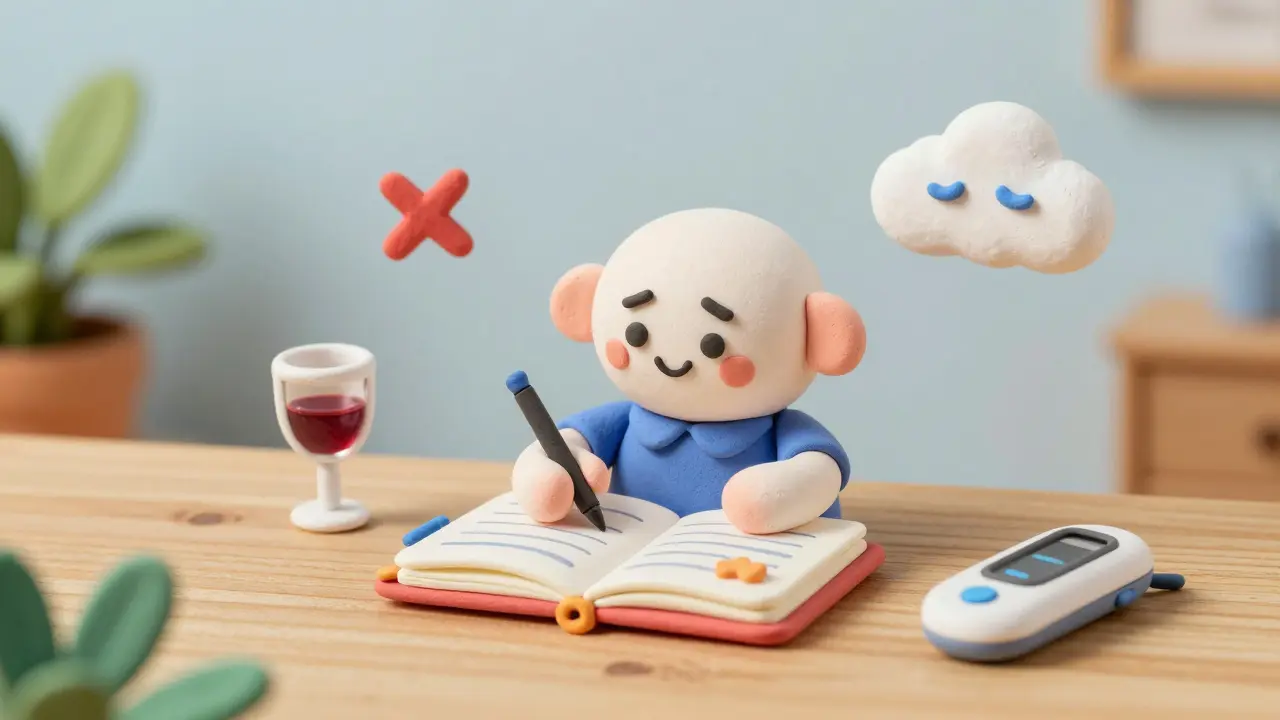
No two migraineurs are the same. One person might be triggered by a sudden drop in barometric pressure (weather changes), while another is sidelined by aged cheeses or a lack of sleep. This is why a headache diary is your most powerful tool. By tracking the time, duration, intensity, and events leading up to an attack, you can identify patterns that a doctor can't see in a 15-minute appointment.
Common triggers often include:
- Stress: The "let-down" migraine often hits right after a stressful period ends (like on a Friday evening).
- Sleep Disruption: Too little or even too much sleep can trip the neurological switch.
- Dietary Triggers: Alcohol (especially red wine) and processed meats with nitrates.
- Sensory Overload: Strong perfumes, bright flickering lights, or loud sirens.
Combining acute and preventive treatments-what doctors call combination therapy-generally yields the best results. Real-world data shows that patients using both strategies have a significantly higher chance of reducing their headache days compared to those using only one method.
Can a migraine be cured?
While there is no permanent "cure" because the predisposition to migraines is largely genetic, the condition can be effectively managed. The goal is remission or significant reduction in frequency, where attacks become rare and manageable through a combination of lifestyle changes and preventive medication.
Why are CGRP inhibitors so expensive?
CGRP monoclonal antibodies are biologics, which are complex proteins grown in living cells rather than synthesized chemically like traditional pills. This makes the manufacturing process far more expensive, leading to higher market prices. Many patients use manufacturer-provided prior authorization support to help cover these costs through insurance.
What is the "prodrome" phase?
The prodrome is the window 24 to 48 hours before the actual headache starts. Symptoms can include sudden mood swings, intense food cravings, or frequent yawning. Recognizing these signs allows you to implement "rescue" strategies-like hydrating or resting-before the pain becomes severe.
Is it safe to use Botox for migraines?
Yes, Botulinum toxin type A is FDA-approved specifically for chronic migraine. It is administered in a specific pattern across 31 to 39 sites in the head and neck every 12 weeks. The most common side effects are localized, such as temporary soreness at the injection site.
When should I see a neurologist instead of a GP?
You should seek a specialist if your headaches change in pattern, if you experience the "worst headache of your life" suddenly, if you have neurological symptoms (like weakness or vision loss) that don't resolve, or if you've failed two or more first-line preventive medications.
Next Steps for Management
If you're just starting your journey to control your migraines, begin with a structured log. Use an app or a notebook to record every attack for 90 days. This data is the only way to accurately determine if a preventive medication is working or if you're falling into the trap of medication-overuse headaches.
For those with cardiovascular concerns, talk to your doctor specifically about gepants or ditans. If you're struggling with insurance denials for newer CGRP therapies, don't give up-ask your clinic about manufacturer support programs, as these often have high success rates in getting patients the medication they need.
william wang
April 17, 2026 AT 03:33The mention of the CGRP receptor is spot on because it really explains why the newer gepants are such a game changer for people who can't handle the vasoconstriction of triptans
Agatha Deo
April 18, 2026 AT 23:43Oh sure because trusting a pharmaceutical company to "target a biological pathway" is exactly how we solve everything these days just keep paying those insurance premiums for biologics that probably just mask the symptoms while the real cause is likely something they aren't telling us 🙄
Jon lee
April 20, 2026 AT 13:59It is so important to remember that everyone's journey with chronic pain is different so please be gentle with yourselves while trying these options
Maggie Graziano
April 21, 2026 AT 17:39big pharma just wants us hooked on the monthly shots
Nikki Grote
April 23, 2026 AT 05:39From a clinical perspective the pathophysiology of the prodrome phase involves a complex interplay of hypothalamic activation and circadian rhythm disruption which makes those early rescue strategies like hydration essentially a way to mitigate the initial neurochemical cascade before it reaches the trigeminovascular system
Nathan Berlin
April 25, 2026 AT 03:57India has some of the best doctors for this stuff anyway 🇮🇳 the cost of biologics is just a joke in the west lol 🤣
Josephine Wyburn
April 26, 2026 AT 02:09I literally cannot even describe the sheer agony of a migraine attack and it's just so unfair that some people think it's just a headache when I'm actually lying in a dark room crying because the sound of a clock ticking feels like a literal bomb going off in my ears 😭💔 it's just a nightmare that never ends and I feel like nobody actually understands the emotional toll of losing entire weekends to this disease 😩
Tama Weinman
April 26, 2026 AT 03:59Interesting how the author mentions Botox as a game changer but doesn't touch upon the long term effects of paralyzing muscles in the face just to stop a nerve spike probably because the industry prefers we don't look too closely at the trade-offs
Anmol Garg
April 27, 2026 AT 05:12Pain is a heavy burden to carry but finding the right balance between science and self-care is where the real healing starts for me personally
Rob Schlautman
April 27, 2026 AT 10:04i honestly find it hilarious that people think a little notebook is going to solve a neurological disaster when the actual reality is that the medical system is just a revolving door of trial and error and i have spent years of my life just being a human guinea pig for drugs that only gave me brain fog and a ruined personality so yeah great tips for those who actually have a functioning nervous system i guess
Colleen Tankard
April 28, 2026 AT 05:21The Cefaly device looks so futuristic! ⚡️ definitely an interesting option for people who hate pills ✨
Sophia Rice
April 28, 2026 AT 20:49I tried the diary thing and it realy helped me see that red wine was the main trigger for me even tho i love it so much 🍷
Theresa Griffin MEP
April 29, 2026 AT 22:15Strict adherence to a preventive protocol is mandatory. Results require discipline.
Autumn Bridwell
April 30, 2026 AT 06:51I HAVE BEEN THROUGH THIS EXACTLY AND I JUST NEED TO TELL YOU ALL THAT THE CGRP STUFF IS LITERALLY MAGIC I FELT LIKE A NEW PERSON OVERNIGHT!!!