
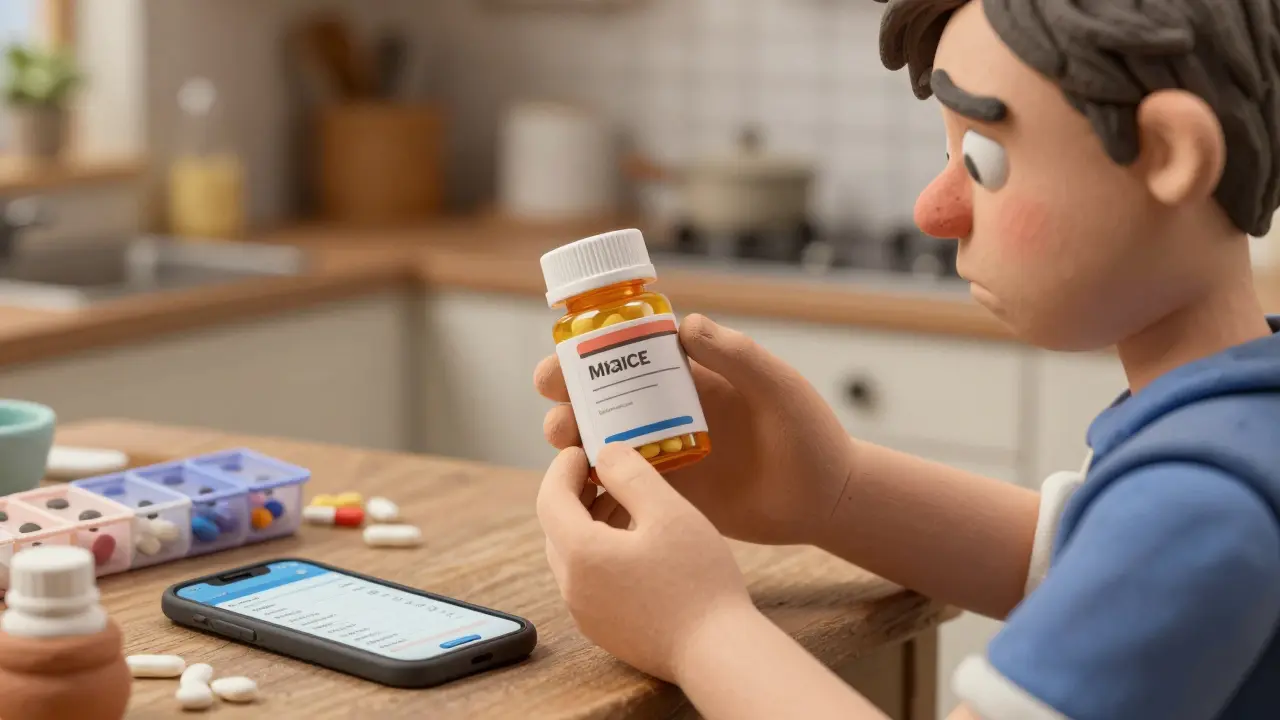
If you open your pill bottle and realize the pills don’t look right, stop taking them immediately. Don’t wait. Don’t wonder if it’s just a different brand. Don’t assume the pharmacist made a simple mistake. A wrong medication can cause serious harm - even death. Every year, over 1.5 million people in the U.S. are affected by pharmacy errors, and many of those cases could have been prevented with quick, smart action.
Step 1: Stop Taking the Medication Right Away
The first thing you must do is stop. If you’ve already taken one or two pills, don’t panic, but don’t take another. Keep the bottle sealed. Don’t flush, throw away, or return the pills. These are your evidence. Many people think, “It’s probably just a mix-up,” and keep taking the wrong pills. That’s how serious injuries happen. One woman took someone else’s ADHD medication thinking it was her anxiety pill. Within hours, she had a rapid heartbeat, dizziness, and confusion. She didn’t know what she was taking until she looked it up on her phone. By then, she’d already taken three doses.Step 2: Call Your Doctor Immediately
Don’t wait until your next appointment. Call your prescribing doctor right away. Tell them exactly what you found: the name on the bottle, the color and shape of the pills, and how many you took. Your doctor may need to adjust your treatment, run tests, or send you to the ER. If you’re on blood pressure medication and accidentally took a diabetes drug, your blood sugar could crash. If you’re on an antidepressant and took a heart medication, your heart rhythm could go haywire. Doctors have seen cases where patients were fine - and cases where they almost died. Only they can tell you which side you’re on.Step 3: Contact the Pharmacy - and Speak to the Manager
Go back to the pharmacy. Don’t just call. Go in person. Ask to speak with the head pharmacist or manager. Most front-line techs won’t have the authority to handle this properly. The manager does. Tell them what happened. Ask them to pull your prescription record and the filled bottle. They should be able to show you the original prescription and the bottle they filled. If they refuse, that’s a red flag. Write down the name of the person you spoke with, the time, and what they said. If they apologize and say it was a “one-time mistake,” that’s not enough. Ask them what they’re doing to prevent it from happening again.Step 4: Save Everything - Don’t Throw Anything Away
Keep the original bottle, the pills, the receipt, the prescription label, and the bag the pharmacy gave you. Take clear photos of the pills next to the label. If you have a smartphone, record a short video saying: “This is the medication I received from [Pharmacy Name] on [Date]. The label says [Medication Name], but these pills are different.” This isn’t paranoia - it’s protection. According to the American Pharmacists Association, 92% of successful legal claims include photographic evidence. Video evidence increases settlement amounts by 37%. You might not need to sue - but if you do, you’ll be glad you saved this.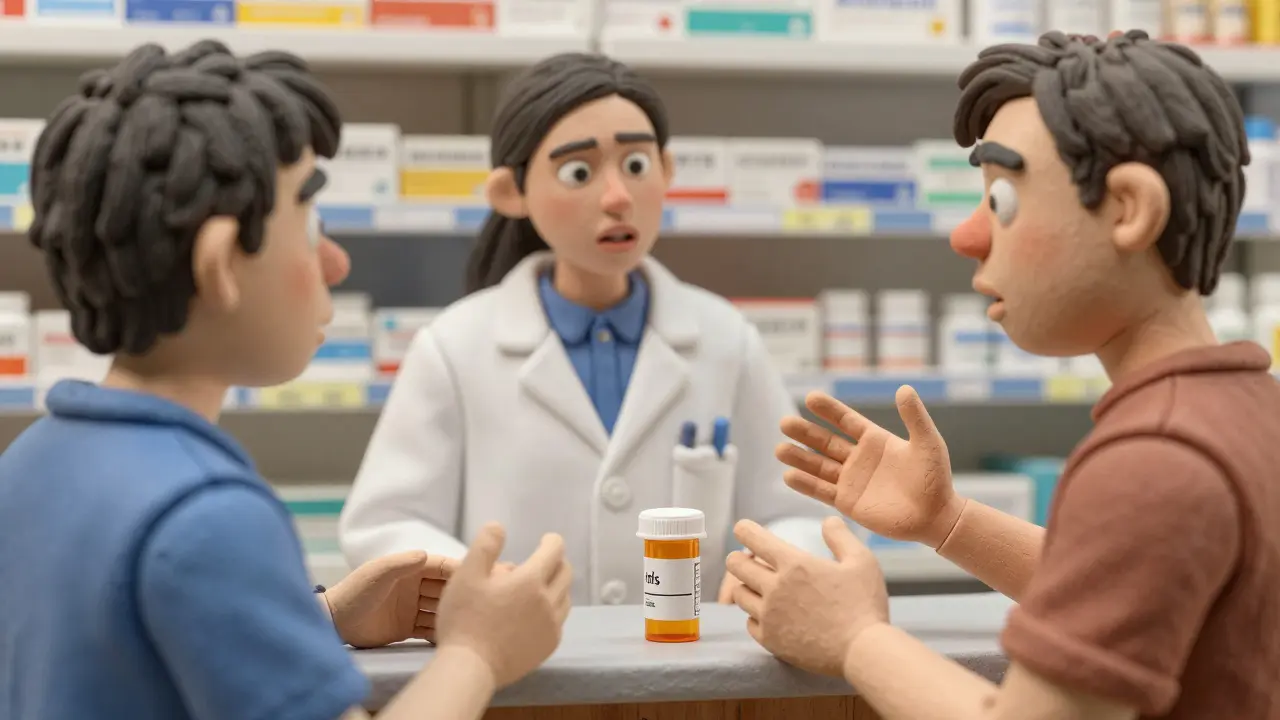
Step 5: Watch for Side Effects - Know When to Call 911
Some wrong medications cause immediate symptoms: chest pain, trouble breathing, confusion, seizures, or extreme drowsiness. If you feel any of these, call 911 or go to the nearest emergency room. Don’t wait. Don’t drive yourself. Call someone to take you. Emergency rooms are used to handling medication errors. They’ll check your vitals, run blood tests, and give you the right antidote if needed. One 2022 case involved a 72-year-old man who took a child’s asthma inhaler instead of his own. He went into cardiac arrest within 20 minutes. He survived because his wife called 911 immediately. If you’re unsure whether you’re having a reaction, it’s better to be safe. Emergency rooms are not for “just in case.” They’re for when your body is telling you something’s wrong.Step 6: Report the Error - It Could Save Someone Else’s Life
Pharmacies don’t always report their own mistakes. In fact, experts estimate less than 15% of all dispensing errors are reported. That’s why you have to do it. File a report with the Institute for Safe Medication Practices (ISMP). Their confidential reporting system has collected over 100,000 error reports since 1991. You can also report to your state’s pharmacy board - in Georgia, that’s the Georgia Composite Medical Board. The FDA’s MedWatch program accepts reports too. Even if you don’t want to sue, reporting helps track patterns. If three people in one week got the wrong pill from the same pharmacy, that’s not luck - it’s a system failure.Legal Rights and What You Can Do
You have rights. A pharmacy error is not just a mistake - it’s a breach of professional duty. If you suffered harm - even if it was minor - you may be entitled to compensation. You don’t need to hire a lawyer right away, but you should know your options. The average settlement for pharmacy errors ranges from $50,000 to $500,000. In severe cases - like permanent injury or death - verdicts have exceeded $10 million. Most cases settle out of court. But to get a fair offer, you need proof. That’s why saving the pills, the receipt, and your doctor’s notes matters. Never give a recorded statement to the pharmacy or their insurance company without talking to a lawyer first. They’ll try to get you to say, “I didn’t feel anything,” or “It was my fault.” Don’t say anything until you’ve consulted someone who works for you, not them.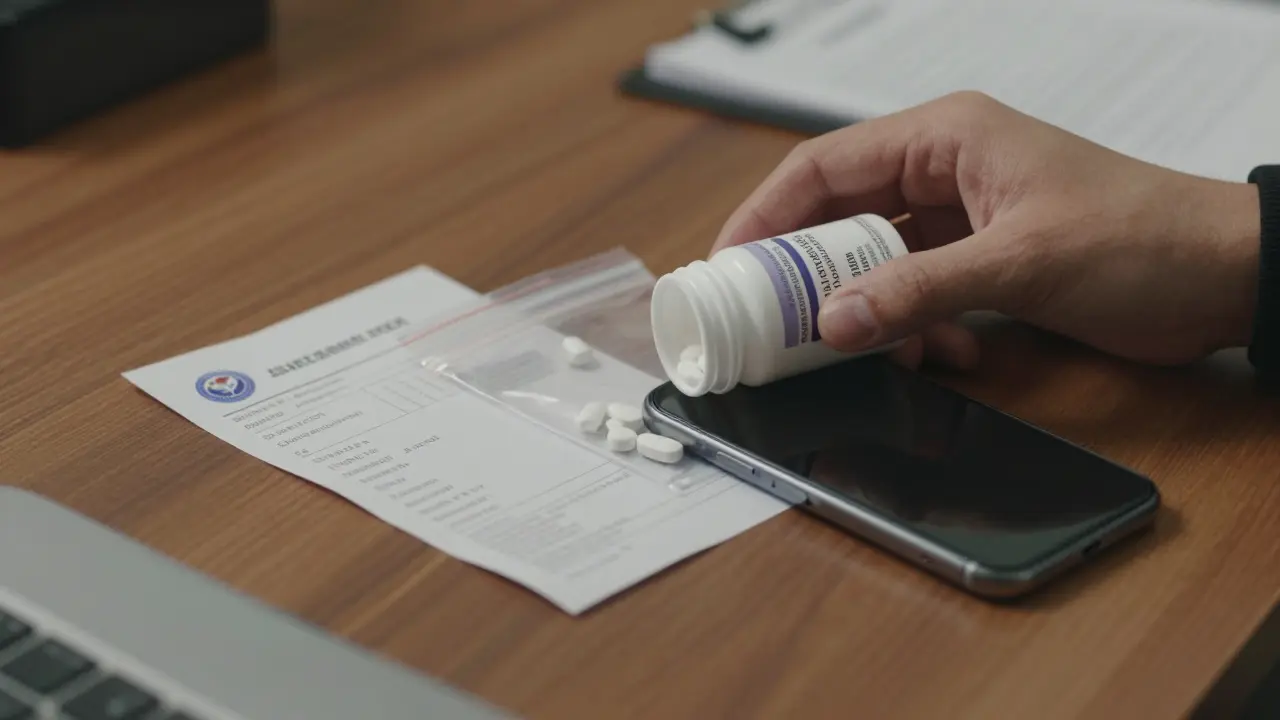
Why This Happens - And How Pharmacies Can Prevent It
These errors aren’t random. They happen because pharmacies are overworked. One pharmacist told a reporter they fill 300 prescriptions a day. That’s more than one every two minutes. Mistakes happen when you’re rushing. High-alert medications - like insulin, blood thinners, and opioids - are especially risky. The best prevention? Barcode scanning. Studies show it cuts dispensing errors by 85%. But only 62% of U.S. pharmacies use it. Why? Cost. Training. Resistance. Some pharmacies still rely on human eyes to match a 12-digit code to a tiny pill. That’s not safe. The FDA now requires all pharmacies to have error-reduction protocols in place by January 1, 2025. That’s progress. But until every pharmacy uses scanners, double-checks, and clear labeling, you’re still at risk.What You Can Do to Protect Yourself
You can’t control the pharmacy - but you can control how you receive your meds. Always check your prescription before leaving the counter. Compare the pill to the label. Does the name match? Does the strength match? Is the number of pills right? If it looks different from last time, ask. Don’t be shy. Pharmacists are trained to answer questions. If they get annoyed, that’s a sign they’re not the right fit. Consider using one pharmacy for all your prescriptions. That way, they have your full history and can spot dangerous interactions. If you’re on multiple meds, ask for a medication review once a year. Many pharmacies offer this for free.Long-Term Risks of Unreported Errors
A single mistake can change your life. The Journal of the American Medical Association found that patients who experienced a medication error had a 28% higher chance of dying within five years. Cardiovascular errors were the deadliest - a 42% increased risk. Even if you feel fine now, your body may be under stress. Your liver, kidneys, or heart may have been damaged without symptoms. That’s why follow-up care matters. Get blood tests. Talk to your doctor about long-term monitoring. And don’t let the pharmacy brush it off with, “It won’t happen again.” That’s not a promise - it’s a hope.Real Stories - What Actually Happened
One woman in Ohio took her husband’s blood pressure pill instead of her own. She thought they were the same. She passed out in the grocery store. Her husband had to call 911. She spent three days in the hospital. The pharmacy admitted fault - and offered a $50 gift card. She sued. She got $120,000. Another man in Florida took a diabetes pill thinking it was his cholesterol medicine. His blood sugar dropped so low he had a seizure. He lost his job because he couldn’t drive. He got $450,000. These aren’t rare. They’re common. And they’re preventable.What should I do if I took the wrong medication but feel fine?
Even if you feel fine, you still need to act. Some medications cause delayed reactions - especially those affecting your liver, kidneys, or heart. Call your doctor and get checked. They may want blood tests or monitoring. Don’t assume safety just because you feel okay. The goal is to prevent harm before it starts.
Can I get compensation if I didn’t get hurt?
Yes. You can still file a claim for emotional distress, time lost from work, or medical visits. Some states allow compensation for near-misses if the pharmacy’s negligence was clear. Even without injury, you have the right to demand accountability. The pharmacy should fix their process - and you have the right to push them to do it.
How long do I have to file a claim for a pharmacy error?
It depends on your state. Most states give you 1 to 3 years from the date you discovered the error. Georgia requires claims within 2 years. California allows 3 years. Always check your state’s statute of limitations. Don’t wait - evidence fades, memories blur, and pharmacies may destroy records after a set time. Start documenting everything the moment you notice the mistake.
Should I switch pharmacies after this happens?
Yes - and do it quickly. If a pharmacy made this mistake once, they might do it again. Look for one that uses barcode scanning and has a reputation for double-checking prescriptions. Ask other patients. Check online reviews. Don’t trust a pharmacy just because it’s convenient. Your safety matters more than distance.
Is it my fault if I didn’t notice the pills looked different?
No. The pharmacy is responsible for filling the right prescription correctly. You’re not trained to identify pills by color or shape. Even doctors sometimes get confused. The system should be designed to protect you - not the other way around. Your job is to notice something’s wrong and act. You did that. Now focus on getting help and protecting yourself.
phyllis bourassa
March 7, 2026 AT 15:47Susan Purney Mark
March 9, 2026 AT 10:53Ian Kiplagat
March 10, 2026 AT 10:19Amina Aminkhuslen
March 11, 2026 AT 06:30amber carrillo
March 12, 2026 AT 01:23Tim Hnatko
March 12, 2026 AT 16:27Aaron Pace
March 13, 2026 AT 13:23Joey Pearson
March 14, 2026 AT 10:37Roland Silber
March 14, 2026 AT 12:19Patrick Jackson
March 16, 2026 AT 04:33Adebayo Muhammad
March 16, 2026 AT 05:41