
When your body’s immune system attacks the cells that make insulin, you get type 1 diabetes, an autoimmune condition where the pancreas produces little to no insulin. Also known as juvenile diabetes, it’s not caused by eating too much sugar or being overweight—it’s something your body does to itself, often starting in childhood or young adulthood. Without insulin, glucose can’t enter your cells for energy, so it builds up in your blood. That’s what leads to high blood sugar, fatigue, frequent urination, and the constant need to monitor and replace what your body can’t make anymore.
This condition requires daily management, and insulin therapy, the essential treatment that replaces the missing hormone is non-negotiable. Whether you use injections, pens, or an insulin pump, your body depends on it to survive. You’ll also need to track your blood sugar control, how well your glucose levels stay within a healthy range throughout the day. That means checking with a meter or continuous monitor, adjusting food intake, and understanding how exercise, stress, or illness can throw things off. There’s no cure yet, but tools like CGMs and smart insulin pens have made life a lot easier than it was 20 years ago.
People with type 1 diabetes don’t just take insulin—they learn to read their bodies. They figure out how carbs affect them, how a night of poor sleep spikes their numbers, or why a cold makes their insulin less effective. It’s not just medicine—it’s a full-time job of observation, adjustment, and planning. That’s why so many of the articles here focus on real-world challenges: how to handle drug interactions, what happens when you get sick, how to store insulin properly, or how to avoid dangerous lows and highs. You’ll find advice on insulin types, managing side effects, and how other conditions like fatty liver or stomach bleeding can complicate things when you’re already managing diabetes.
What you’ll see in the posts below isn’t theory—it’s what people actually deal with. From how insulin glargine compares to other long-acting options, to why grapefruit juice can mess with your meds, to how stress triggers blood sugar swings—these are the daily realities. You’re not alone in this. The information here is built from real experiences, not textbook guesses. If you’re trying to figure out what works, what doesn’t, or just need to know you’re not the only one struggling with this, you’re in the right place.
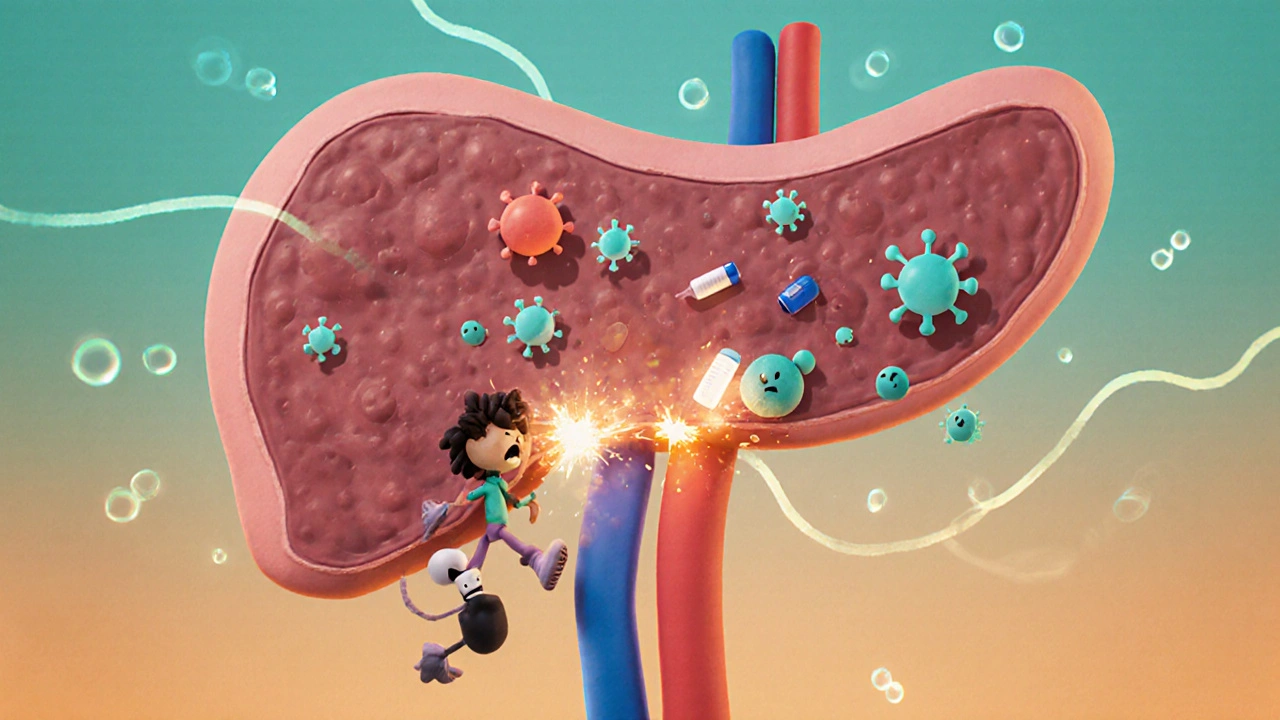
Type 1 diabetes is an autoimmune disease that destroys insulin-producing cells in the pancreas. Learn how it develops, why insulin is essential, and what new treatments like teplizumab and stem cell therapy are changing the future of management.
Nov 13 2025
© 2026. All rights reserved.
Menu