
When your tendon pain, inflammation or injury in the tough cords connecting muscle to bone. Also known as tendonitis, it often flares up after repetitive motion, sudden strain, or as a side effect of common medications. It’s not just something that happens to older people—athletes, office workers, and even people taking daily pills can get it. And here’s the thing: some of the drugs you take to feel better might actually be making your tendon pain worse.
Take corticosteroids, powerful anti-inflammatory drugs like prednisone or dexamethasone. They can give quick relief for swelling and pain, but long-term or repeated use weakens tendons. Studies show people on these drugs have a higher risk of tendon rupture—even without trauma. Then there’s fluoroquinolone antibiotics, like Cipro or Levaquin, used for infections. These are linked to sudden tendon tears, especially in the Achilles. The FDA even issued a black box warning. If you’re on one of these and feel a dull ache in your heel or shoulder, don’t ignore it.
And it’s not just drugs. Tendon pain often hides behind other issues—like poor movement patterns, lack of recovery, or even other conditions like diabetes or thyroid disease. People with chronic pain often end up using NSAIDs for relief, but those can mask symptoms long enough for damage to grow. The real fix? Rest, controlled movement, and sometimes physical therapy—not just popping pills.
You’ll find articles here that cut through the noise. Learn how steroids can be a double-edged sword, why some antibiotics are riskier than others, and how to tell if your pain is from overuse—or your medication. We cover what actually works to heal tendons, what to avoid, and how to talk to your doctor about safer options. No fluff. Just clear, practical info to help you move without pain.
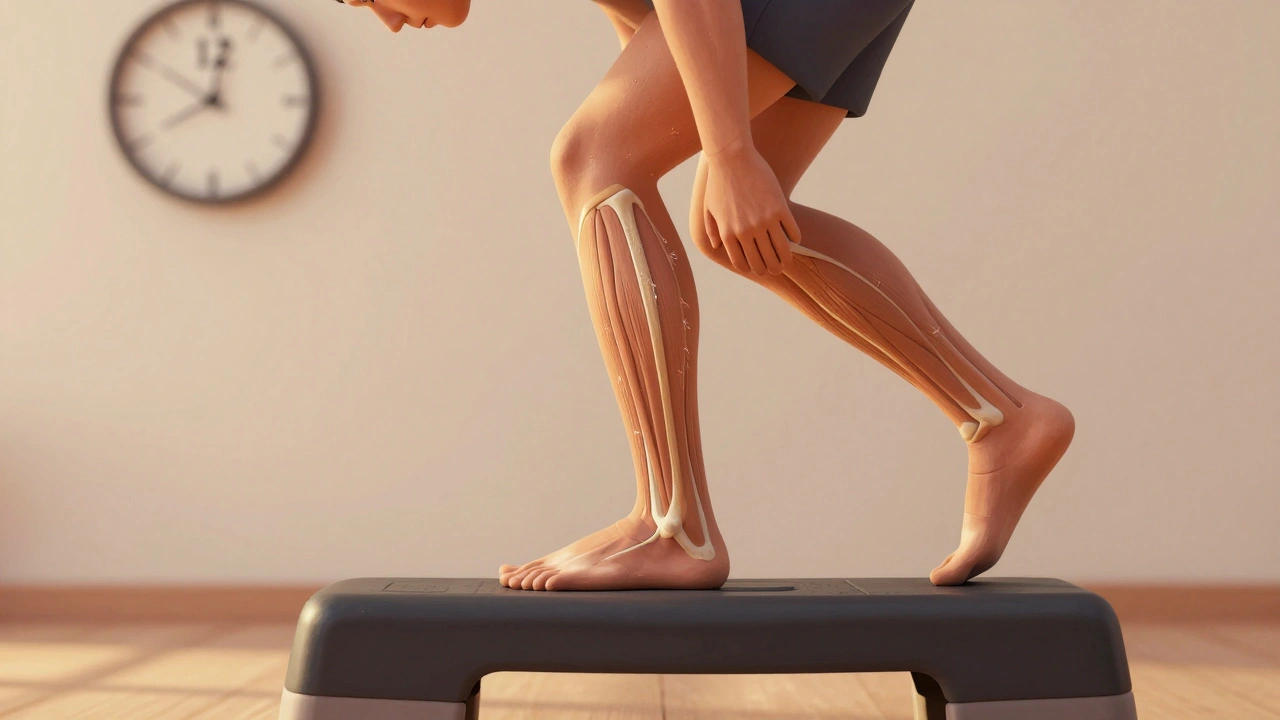
Tendinopathy is a degenerative tendon condition that responds best to eccentric training, not injections or rest. Learn how heavy slow resistance, isometrics, and proper loading can help you recover without surgery.
Dec 6 2025
© 2026. All rights reserved.
Menu