
When a drug has a narrow therapeutic index, a small range between the effective dose and the toxic dose. Also known as NTI drugs, these medications leave little room for error—take too little and they don’t work; take too much and you risk serious harm. This isn’t theoretical. People on drugs like warfarin, levothyroxine, or phenytoin have ended up in the hospital because their dose was just slightly off. These aren’t rare drugs—they’re common. And if you’re taking one, you need to know what you’re dealing with.
NTI drugs require precision. That’s why switching from brand to generic isn’t always safe with these. Even small differences in how the body absorbs the drug can push you out of the safe zone. A study from the FDA found that some patients on levothyroxine had major changes in thyroid levels after switching generics—even when the labels said they were identical. The same goes for warfarin: a tiny change in blood levels can mean the difference between a clot and a bleed. These drugs don’t play nice with other substances either. Grapefruit juice, certain antibiotics, or even a new vitamin supplement can throw off your balance. That’s why your doctor or pharmacist needs to know everything you’re taking.
Managing NTI drugs isn’t about being scared—it’s about being smart. It means sticking to the same brand or generic when possible, getting regular blood tests, and never skipping a checkup. It means asking: Is this the exact same pill I’ve been taking? and Could this new medicine interfere with what I’m on? The posts below cover real cases where people got caught off guard—by interactions, dosing errors, or changes in how their body handled the drug. You’ll find guides on how to talk to your provider about these risks, how to spot early warning signs, and what to do if you think something’s off. These aren’t abstract warnings. They’re practical tools for staying safe when the margin for error is razor-thin.
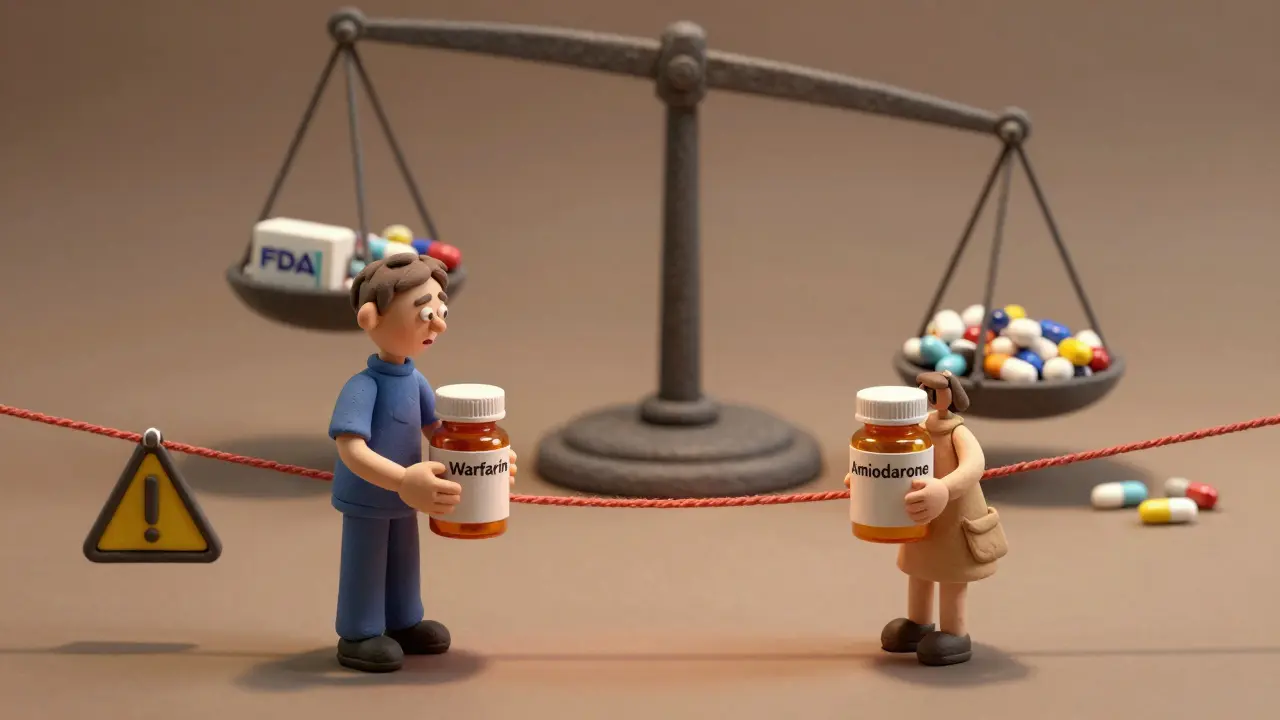
Combination NTI drugs offer powerful treatment for complex conditions, but generic versions are nearly nonexistent due to strict bioequivalence challenges. Patients face higher risks, costs, and gaps in care.
Jan 31 2026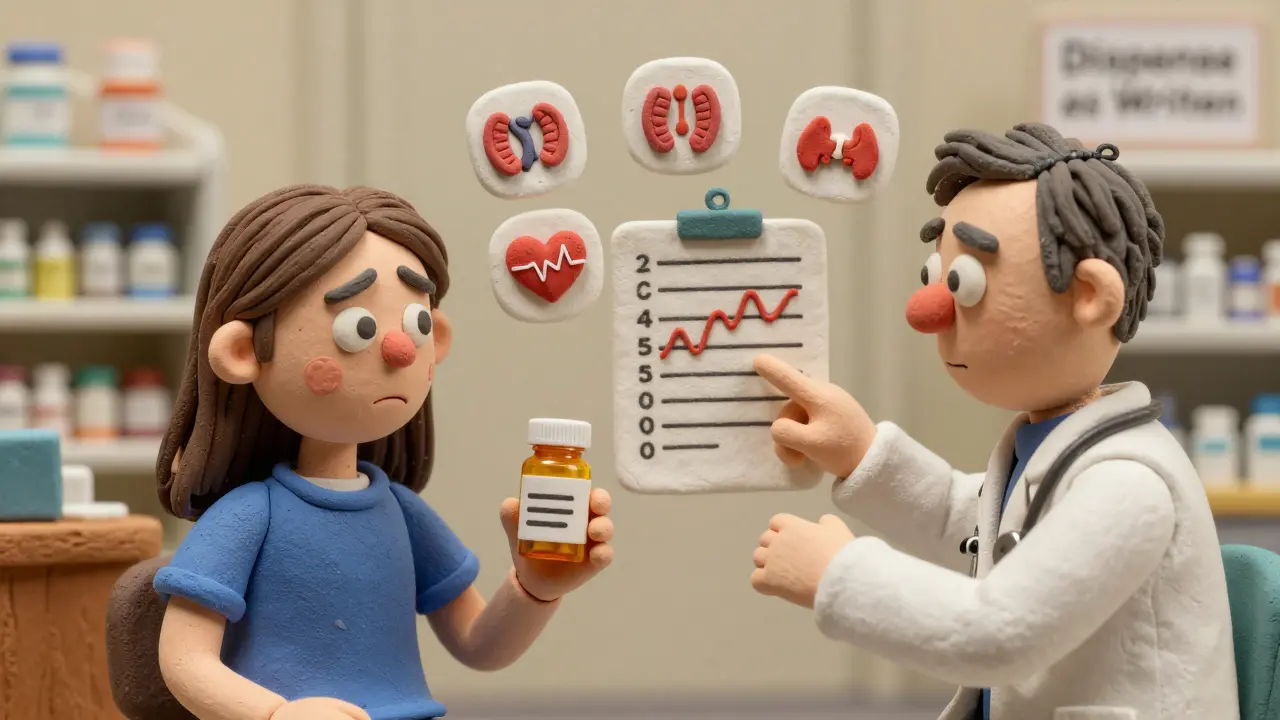
Medical society guidelines on generic drug use vary by specialty. While most doctors support generics for cost savings, neurologists and others caution against substitution for drugs with narrow therapeutic indices due to patient safety risks.
Dec 15 2025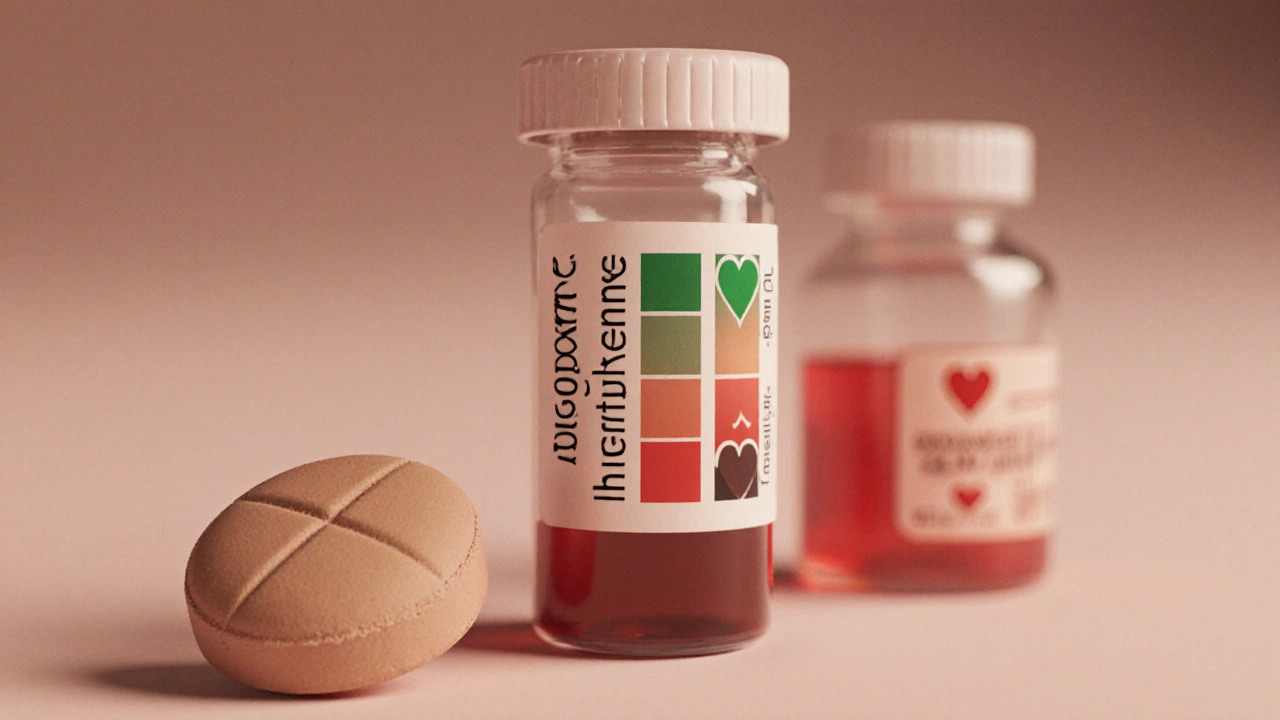
Digoxin generics may be bioequivalent on paper, but individual variations in absorption can lead to toxicity or treatment failure. Learn why therapeutic drug monitoring is essential when switching formulations.
Nov 21 2025
© 2026. All rights reserved.
Menu