
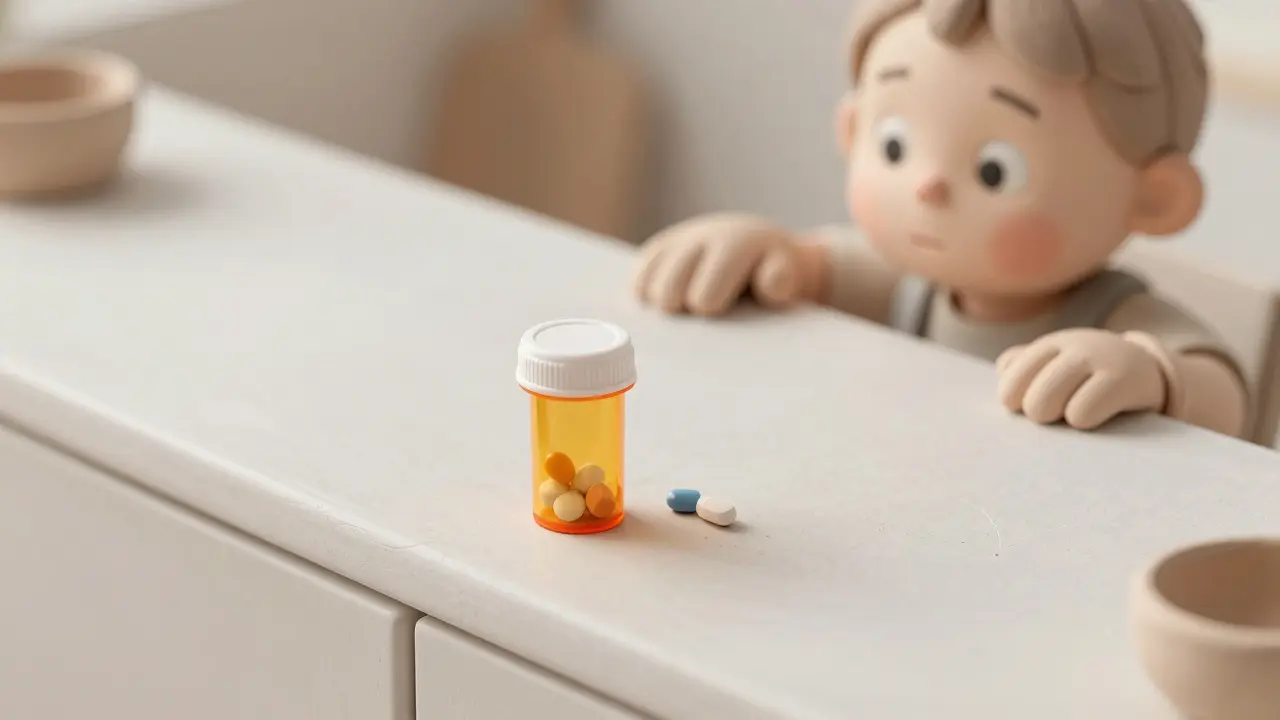
If you have high-risk prescriptions in the house, you're managing a potential emergency every day. Whether it's preventing an accidental overdose or stopping a family member from misusing a drug, the goal is to make the medication inaccessible to anyone who isn't authorized to take it. Here is how to actually implement a secure system that works without making your own daily routine a nightmare.
What Exactly Are High-Risk Medications?
Not every pill needs to be under lock and key, but some absolutely do. We're talking about drugs that can cause severe respiratory depression, extreme sedation, or high potential for addiction if taken by the wrong person. Specifically, you should prioritize locking up the following:
- Opioids is a class of powerful pain medications including hydrocodone (Vicodin), oxycodone (Percocet), and fentanyl.
- Benzodiazepines is a group of sedative-hypnotics used for anxiety and insomnia, such as alprazolam (Xanax) and diazepam (Valium).
- Stimulants is medications used for ADHD and narcolepsy, including dextroamphetamine-amphetamine (Adderall) and Ritalin.
These substances are high-priority because the window between a therapeutic dose and a lethal one can be narrow, especially for children or those without a tolerance. If you have these in your home, a standard cabinet door is simply not enough.
Choosing the Right Lockbox for Your Home
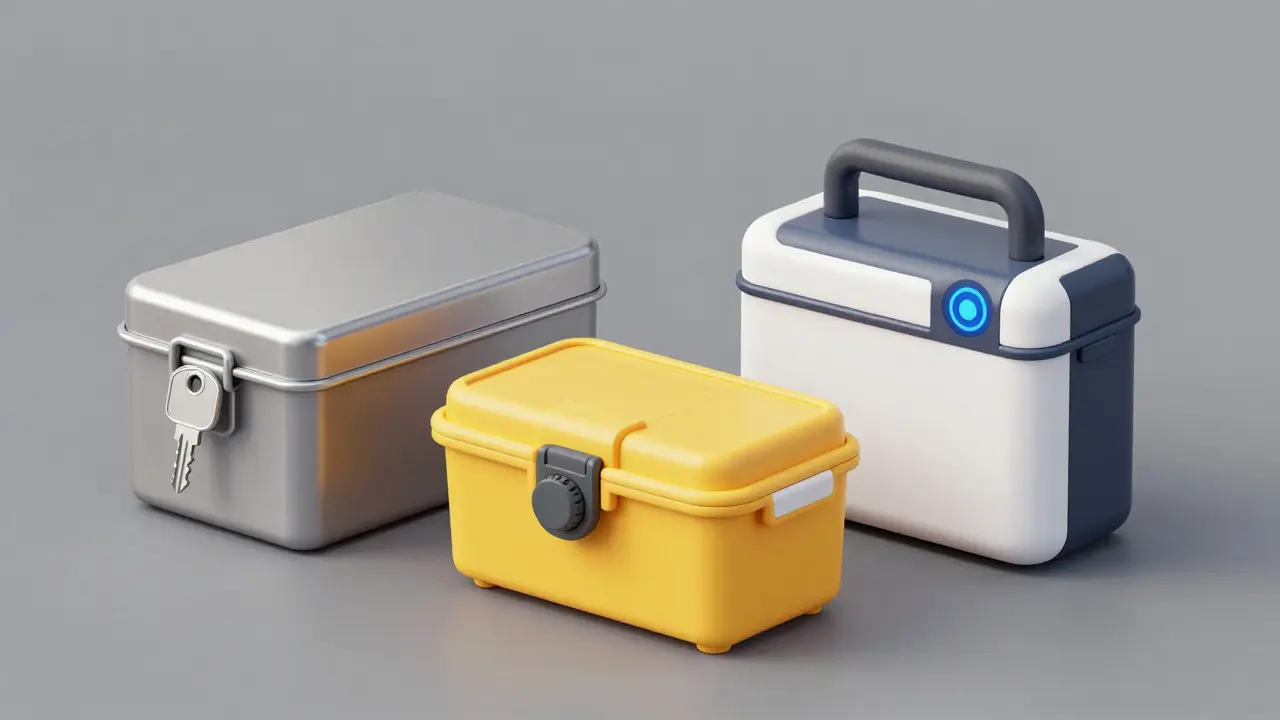
You can't just buy any plastic box and call it a day. Depending on who you're protecting the meds from-and who needs to access them-the hardware matters. Most quality boxes are made from reinforced steel or high-impact ABS plastic. Some even offer fire resistance for up to 30 minutes at 1,700°F, which is a great bonus for long-term safety.
| Lock Type | Best For... | Main Advantage | Potential Drawback |
|---|---|---|---|
| Key Lock | Single user, low frequency | Simple, reliable mechanism | Losing the key is a crisis |
| Combination Lock | Families, multiple users | No keys to lose | Hard for elderly with dexterity issues |
| Biometric (Fingerprint) | Elderly or high-frequency use | Instant access, no codes needed | More expensive, requires batteries |
If you're caring for an aging parent who struggles with arthritis, don't buy a combination lock. Many seniors find those tiny dials frustrating, which might lead them to leave the box unlocked "just for a while"-which is where the danger returns. Go for a biometric scanner instead.
The 5-Step Implementation Protocol
Buying the box is the easy part. Setting up a system that actually works requires a bit of strategy. Following guidelines from the CDC, here is the most effective way to roll this out:
- Audit Your Cabinet: Go through every medicine cabinet and nightstand. Identify every single high-risk pill, patch, or liquid. Don't forget about "forgotten" prescriptions from a surgery two years ago.
- Right-Size Your Box: If you only have two bottles, a small 6x4x3 inch personal box is fine. If you're managing meds for a spouse and children, look for a larger family unit (12x8x6 inches) to avoid cramming, which can lead to medication errors.
- Pick a Strategic Spot: Avoid the bathroom. Humidity from the shower can degrade medications over time. Instead, pick a cool, dry area. If you have toddlers, consider a wall-mounted lockbox so they can't simply carry the box to a secluded corner to figure out the lock.
- Restrict the Access: Only one or two responsible adults should have the key or code. If you share the code with everyone, you've effectively just created a fancy box that doesn't lock.
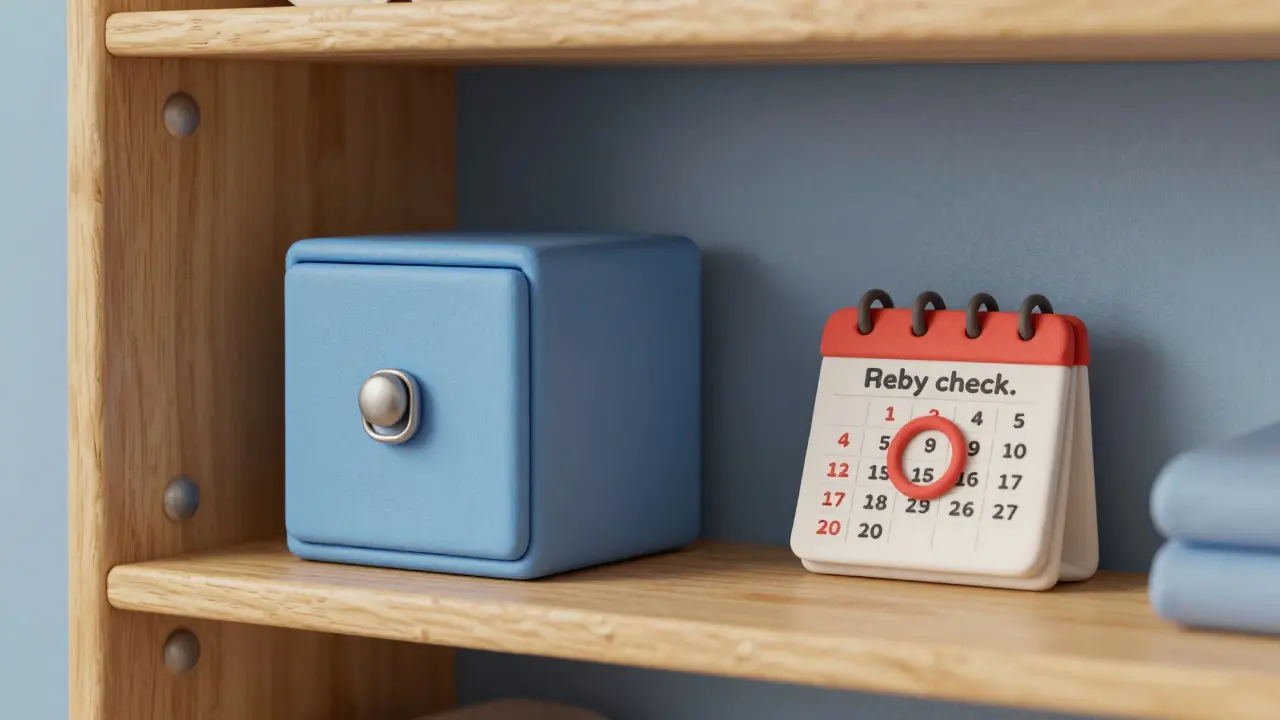
- The Weekly Check: Set a calendar reminder to verify the lock is functioning and that no meds have "migrated" back to the counter.
Common Pitfalls and How to Avoid Them
Even with a lockbox, people make mistakes. The most common error? Placing the box in a location that is technically secure but practically obvious. If your lockbox is sitting right on the bathroom vanity, it becomes a focal point for curiosity. Place it in a discreet but accessible area.
Another issue is the "emergency access" paradox. People fear that in a medical crisis, they won't be able to get the meds out fast enough. The fix is simple: keep a backup key in a sealed envelope in a separate, secure location known to another trusted adult, or use a biometric lock that allows multiple registered fingerprints.
Lastly, remember that temperature matters. While most meds like a steady 68-77°F, things like insulin need refrigeration. You can't put a standard steel box in a fridge-you'll need a specialized climate-controlled lockbox designed for cold storage to ensure the medication doesn't lose its potency.
Beyond the Box: The Bigger Picture
Lockboxes are a fantastic shield, but they are part of a larger safety ecosystem. You should also be thinking about how these drugs leave your house. A locked box prevents someone from taking a pill, but it doesn't solve the problem of expired medications sitting in the back of the unit.
Make it a habit to clear out old prescriptions. Use community "take-back" days or pharmacy kiosks. When you combine secure storage with proper disposal, you essentially remove the risk from your home entirely. It's a lot easier to manage a small, secure inventory than a mountain of old pills that no one needs anymore.
Are child-resistant caps enough for opioids?
No. While they are a legal requirement, data shows that a huge percentage of young children can open these caps within a minute. For high-risk drugs like opioids, a physical lockbox is the only way to ensure a child cannot access the medication.
What is the best lockbox for an elderly person with arthritis?
Biometric fingerprint scanners are generally the best choice. They eliminate the need to grip small keys or turn combination dials, allowing the user to open the box with a simple touch while still keeping the medication secure from others.
Can I store my lockbox in the bathroom?
It is not recommended. The heat and humidity from showers can break down the chemical stability of many medications. A cool, dry closet or a dedicated bedroom shelf is a much safer bet for maintaining drug efficacy.
What happens if I lose the key to my medication lockbox?
This is why many experts suggest combination or biometric locks. If you use a key lock, always keep a spare key in a separate, secure location (like a fire safe) or give a spare to a trusted family member who doesn't live in the house.
Do I need a lockbox for ADHD medication like Adderall?
Yes. Stimulants are considered high-risk medications because they have a high potential for misuse and can be dangerous if ingested by someone they weren't prescribed for. They should be stored with the same level of security as opioids.
Anastasios Kyriacou
April 21, 2026 AT 04:16kinda obvious isnt it just buy a box lol
Amy Fredericks
April 23, 2026 AT 02:03This is such a helpful reminder for everyone! It's so easy to overlook these things when life gets busy, but taking a few minutes to set up a secure system can honestly prevent a tragedy. I really appreciate the breakdown of the different lock types too, especially the tip about biometric scanners for seniors. Keeping our loved ones safe is the most important thing we can do. Let's all try to do a quick audit of our cabinets this weekend! ❤️
Mayur Pankhi Saikia
April 24, 2026 AT 23:15The sheer simplisity of this advice is almost insulting...!!! Most people who actualy care about security would use a bolted-down safe, not some plastic toy from a drugstore...!! Absolutey basic stuff here...!!
Mike Arrant
April 25, 2026 AT 06:13Look, if you're still leaving pills on the counter in 2024, you're basically asking for a disaster. It's pure negligence. Get a biometric box and stop making excuses about 'routines' being a nightmare. It takes two seconds to touch a sensor. If you can't manage that, you shouldn't have high-risk meds in the house at all.
Dan Wizard
April 26, 2026 AT 22:28I have always wondered if the material of the lockbox actually makes a significant difference in terms of durability over several years of use, especially when considering the various environmental factors that might affect the integrity of the locking mechanism itself, and while the guide mentions steel and ABS plastic, I suspect that the actual wear and tear on the biometric sensors might be a more pressing concern for those of us who value long-term reliability over immediate convenience in our home safety setups.
Caroline Duvoe
April 28, 2026 AT 08:55ya basically just saying buy a safe 🙄 anyway the humidity thing is common knowledge for anyone who actually knows about pharmaceutics lol 💅
Saptatshi Biswas
April 29, 2026 AT 05:59The audacity of suggesting a simple 'weekly check' is laughable! In a truly disciplined household, one would maintain a rigorous daily log of medication dispensing, yet this guide settles for mediocrity. This is a typical Western approach to safety-superficial and utterly lacking in the systemic rigor that my country prides itself on when managing public health and domestic safety protocols!
Chidi Prosper
April 30, 2026 AT 07:32Spot on. The point about the 'emergency access paradox' is the most critical part of this whole thing. You can't just lock things away and hope for the best; you need a concrete backup plan or you're just trading one risk for another. Definitely agree that a backup key in a sealed envelope is the way to go.
Sue Stoller
May 2, 2026 AT 05:37Omg yes!! 🌟 Definitely going to suggest this to my sisters! It's so important to keep the little ones safe and sound 👶✨ Biometric locks sound like such a game changer for anyone who is always forgetting their keys lol!! Let's all stay safe and organized!! 🌈💖
Anantha Lakshmi
May 2, 2026 AT 18:32I totally agree with the focus on disposal too! ♻️ Getting rid of old meds is just as important as locking up the new ones. It's all about creating a safe environment for everyone in the home 🏠✨ Great advice all around!!
Emma Cozad
May 4, 2026 AT 16:37this whole thing feels like a sales pitch for lockbox companys lol why do we need a whole guide for this... just use common sense and keep your stuff away from kids. typical overcomplicatd nonsense 🙄
Olayinka Ibukunoluwa Mercy
May 5, 2026 AT 19:57I truly believe that the biometric option is a wonderful way to ensure that our elderly parents maintain their dignity and independence while staying safe...!!! 🌸 It is such a blessing to have technology that supports accessibility and security at the same time...!!! 💖✨ Keep up the great work in sharing these safety tips...!!!