
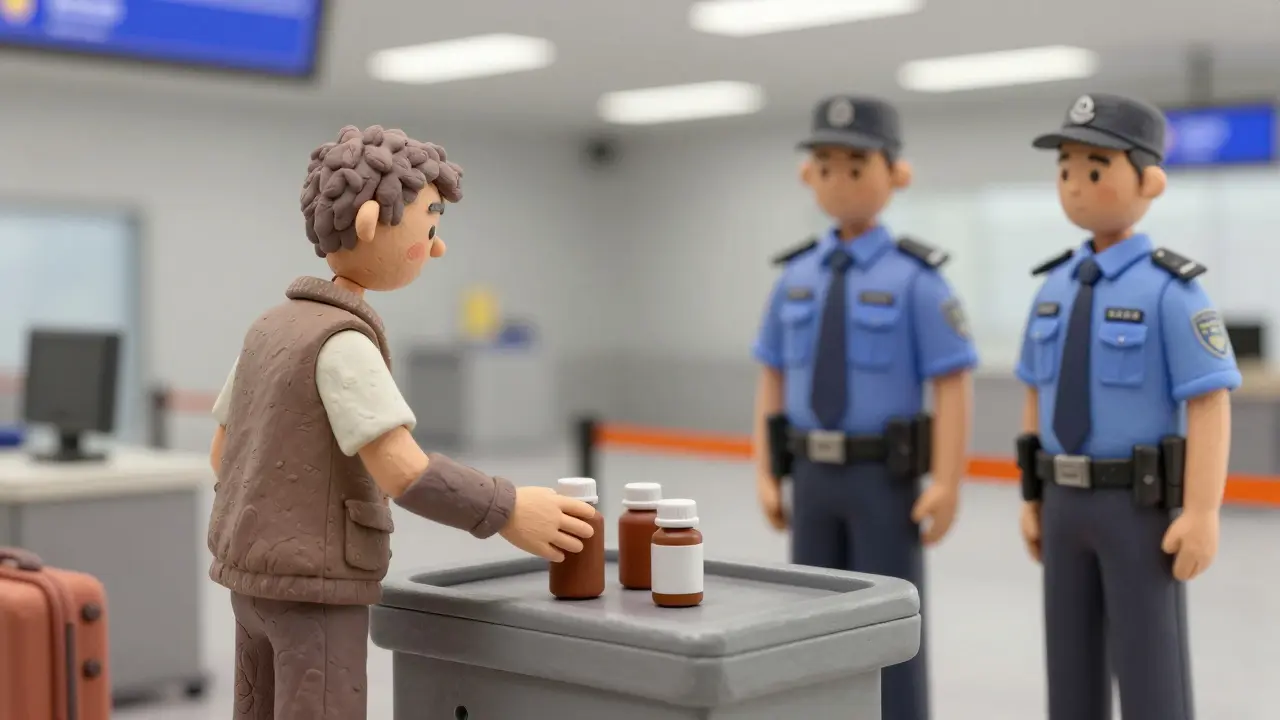
Air travel can turn stressful even for the most seasoned voyager, but nothing spikes anxiety quite like wondering if your life-saving pills will make it through security. Imagine arriving at the checkpoint, watching the scanner beep, and having an agent pull out your essential insulin because you packed it incorrectly. It happens more often than you might think. According to recent aviation data, thousands of travelers face delays or confiscations simply due to improper packaging. You shouldn't have to gamble with your health when flying.
The good news is that federal guidelines exist specifically to protect traveler medication while moving through checkpoints. By following a few specific protocols established by authorities like the Transportation Security Administration (TSA), you can keep your treatment plan uninterrupted. This guide breaks down exactly how to pack, label, and document your supplies so you glide through security and arrive at your destination with everything intact.
Why Original Packaging Matters More Than You Think
You might feel tempted to consolidate your daily doses into a small pill organizer to save space in your bag. While this looks tidy, it creates significant risks during airport screening. When security officers inspect prescription drugs, they verify the connection between the person holding the bottle and the patient listed on the label. If the pills are loose in a generic container, there is no way to prove ownership.
Beyond security, keeping medications in their original pharmacy bottles protects potency. Studies show that repackaging exposes chemicals to moisture and light, degrading effectiveness quickly. A pharmacist might warn you that transferring liquid medication to travel-sized vials can compromise the sterile barrier. The label also contains critical information like dosage and prescribing physician details, which medical staff abroad might need if an emergency occurs mid-journey. Always keep every bottle sealed and labeled exactly as it left the pharmacy.
Navigating Liquid Medication Limits
One of the biggest confusion points for passengers involves the standard liquid limit. Normally, carry-ons restrict liquids to 3.4 ounces per container, but medically necessary liquids get an exemption. This means your child's cough syrup or your inhaler fluid can exceed this limit, provided you declare it.
| Standard Passenger | Traveler with Medical Needs |
|---|---|
| Limited to 3.4 oz (100 mL) containers | No strict volume limit for prescribed amounts |
| All liquids must fit in one quart bag | Must be declared separately at security |
| Non-negotiable enforcement | Subject to officer testing/screening |
Even though the limit is waived, you cannot simply walk past the X-ray machine with a massive jug. TSA agents may test the liquid for explosives residue before letting it pass. To smooth this process, separate your liquid medicines from your toiletries immediately when you reach the belt. Tell the officer verbally that you are carrying medication. If you are traveling with injectable supplies like syringes, keep them directly with the medication they are used for, never stashed away in a hidden pouch.
Managing Temperature-Sensitive Supplies
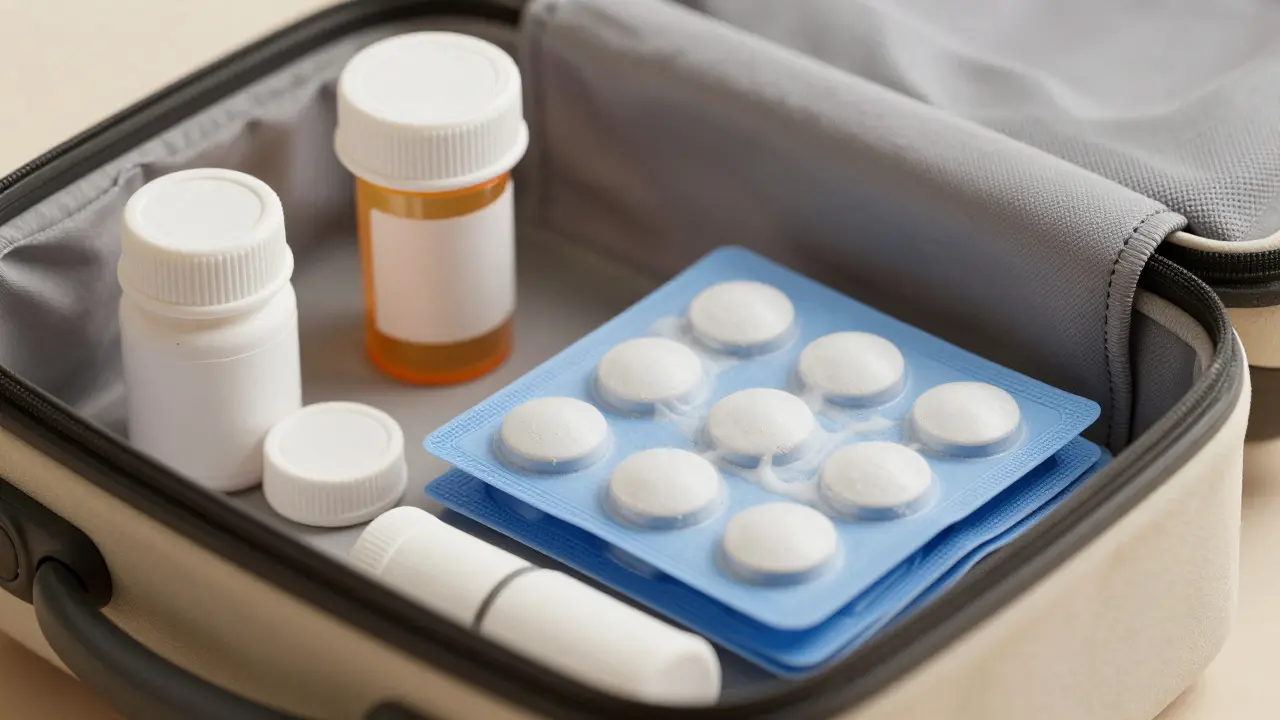
Biologic medications like insulin or growth hormones are fragile. They usually require temperatures between 2°C and 8°C to stay effective. Cargo holds in planes can drop to -40°C or spike well above freezing, causing irreversible crystallization. Never check bags containing refrigerated medicines. Instead, invest in a TSA-compliant cooler bag designed for travel.
These coolers often rely on gel packs rather than traditional ice cubes. Here is the catch: if the ice pack is slushy or melted, security might flag it as a prohibited liquid. The rule states the pack must be fully frozen solid upon screening. You should pre-freeze these packs for at least 24 hours before heading to the airport. Some newer models come with built-in temperature logs to prove the chain of custody to customs officials if you are landing overseas.
United Airlines recently updated policies regarding in-flight storage on select Dreamliners. If you notify the crew ahead of time, flight attendants can sometimes assist with temporary storage near refrigeration units once airborne. However, do not rely on the plane entirely; bring your own cooling solution to handle boarding and gate delays where temperatures fluctuate rapidly.
Critical Documentation Checklist
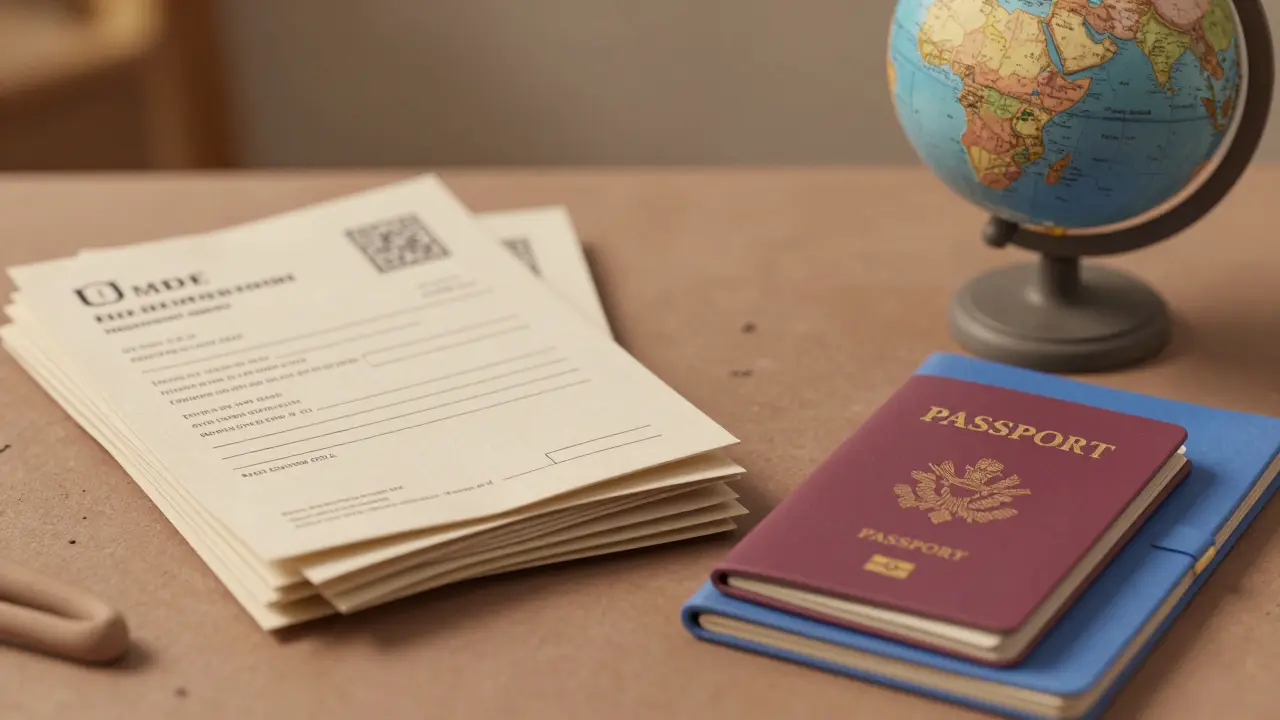
Papers can sometimes clear obstacles that physical inspections cannot. While domestic flights usually rely on the prescription label alone, international borders demand proof of necessity. Before leaving home, prepare three specific documents:
- Current Prescription Label: Must match the name on your passport exactly. Even a typo can cause issues.
- Doctor's Letter: Written on official letterhead stating your diagnosis and why the drug is required. This helps explain complex combinations that might look suspicious.
- Translated Documents: If visiting non-English speaking countries, translate your doctor's note officially. Some nations require processing weeks in advance.
For example, Japan strictly regulates pseudoephedrine products often found in cold medicine. If your doctor prescribes a multi-symptom tablet containing this ingredient, Japanese customs may reject it without prior approval paperwork. Checking specific import laws for your destination country prevents the nightmare of losing your medication at the exit gate.
Avoiding Security Delays and Screenings
Screening lanes move faster when you cooperate efficiently. Arriving at the terminal early-ideally two hours before domestic departure-is crucial. This buffer accounts for extra time needed to unpack and reassemble your carry-on after inspection. Officers may manually open bottles to swab caps, which takes longer than the standard scan.
If you are traveling with sharp objects like syringes or lancets, place them in a sharps container if possible. This signals to security that you understand safety protocols. There have been incidents where needles were confiscated because they were buried deep in toiletry bags alongside razors. Keep medical tools visible and accessible. Also, remember that lithium batteries powering infusion pumps or monitoring devices generally cannot go in checked luggage due to fire risk. They belong in your personal carry-on.
Troubleshooting International Complications
Flying across borders introduces layers of regulation beyond the TSA. Different nations classify drugs differently. A medication considered over-the-counter in the U.S. might require a special permit elsewhere. Research shows that roughly 15% of adults take medicines requiring these special travel considerations. Ignoring local laws can lead to detention or arrest.
Always review the embassy website for your destination country regarding controlled substances. For instance, codeine thresholds vary wildly between Europe and Asia. Some countries cap the supply at 30 days, regardless of your trip length. Plan your quantity accordingly or arrange for refills locally if allowed. Carrying digital copies of your documents on your phone helps, but always have paper backups in case electronic devices are restricted.
Summary of Key Actions
To wrap up, safe transport requires foresight. Stick to original containers, declare liquids, freeze your coolers, and carry your paperwork. These steps minimize friction and ensure your health needs are met wherever you land.
Can I put my medication in checked bags?
It is strongly advised against. Checked luggage goes through cargo holds where temperatures can destroy sensitive drugs, and bags can get lost. Keep all essential medicines in your carry-on.
Do I need a note for pills on a domestic flight?
While not strictly mandatory for domestic TSA screenings if in original labeling, having a doctor's note helps clarify any unusual quantities or combination medications to agents.
How much liquid medication is allowed?
There is no official upper limit for medically necessary liquids, but you should inform the officer. Typical quantities for reasonable duration trips are permitted.
What if I forget my ice pack?
If your ice pack is melted, TSA may consider it a liquid and subject it to the 3.4oz rule. Try to purchase a replacement at the airport if available, or discard the melted pack to avoid delays.
Are needles allowed in carry-on?
Yes, needles and syringes are allowed if accompanied by the related injectable medication. They must be declared and screened properly.
Kameron Hacker
March 27, 2026 AT 16:50It is imperative that passengers understand the absolute necessity of retaining original pharmaceutical containers when navigating airport security checkpoints. Deviating from prescribed labeling standards introduces unacceptable variables into the risk assessment matrix managed by federal enforcement officers. Many individuals believe consolidation improves efficiency but this assumption fundamentally ignores legal requirements regarding chemical ownership verification. The degradation of compounds within unlabeled vessels compromises therapeutic efficacy regardless of storage conditions maintained during transit. Authorities require visual confirmation that matches the patient identity against government databases instantly without delay. Failure to comply results in confiscation which leaves vulnerable patients without necessary life-saving interventions upon arrival. You must prepare your kit well in advance to avoid unnecessary friction during peak travel seasons. Ignoring established guidelines exposes everyone to potential harm through medication instability and administrative delays. Security personnel operate under strict mandates that leave little room for discretionary judgment calls in high-pressure environments. Every traveler bears the responsibility of ensuring their own medical continuity across borders effectively. Proper documentation serves as the primary defense against arbitrary detention in foreign jurisdictions where laws differ significantly from domestic regulations. A standard doctor’s note is often insufficient when dealing with controlled substance classifications unique to specific regions. Temperature sensitivity remains a critical factor that demands specialized cooling solutions rather than makeshift alternatives found in retail stores. Gel packs must remain frozen solid to prevent misinterpretation as prohibited liquids subject to standard volume restrictions. Checking bags containing biologics invites destruction due to unmonitored environmental fluctuations in the cargo hold of commercial aircraft. Flight crews cannot guarantee temperature stability once the door closes even if they offer assistance verbally. You should verify individual airline policies regarding onboard refrigeration capabilities before boarding the flight. Lithium batteries powering infusion devices present significant fire hazards when placed in checked luggage compartments. These power sources mandate placement in carry-on bags where access is available for immediate monitoring. Compliance ensures safety and preserves the integrity of essential treatment plans throughout the journey ahead.
walker texaxsranger
March 27, 2026 AT 17:36tsa agents are always looking for reasons to flag you for deeper scans if you dont follow protocol exactly as written in the manual they get updates on daily. government oversight extends far beyond simple passenger comfort metrics and reaches into how your biolab data correlates with threat scores generated by automated systems. never trust generic pill boxes because they lack traceable origins tied to your specific id number used for background checks.
Paul Vanderheiden
March 29, 2026 AT 15:21its great to see people helping each other out here with tips honestly feels good to share knowledge when it matters so much. i always tell folks to relax because most agents understand its for medicine and just need proof nothing else matters that much really. you got this if you plan ahead properly which takes time but worth it later on down the road for sure.
Monique Louise Hill
March 29, 2026 AT 19:08Please remember that health safety is a moral obligation to yourself and others around you ✈️🌍💊 ignoring these rules puts lives at risk unnecessarily ❇️😴 we all have a duty to follow procedures correctly 😇💕 stay safe friends 💉🫳
Eva Maes
March 31, 2026 AT 12:50The nuance surrounding liquid medication exemptions reveals a complex interplay between safety protocols and humanitarian necessities that few truly grasp. Most passengers walk through scanners assuming common sense applies universally when standard rules suggest rigid adherence to ounce measurements. However the regulatory framework explicitly carves out exceptions for medically required substances despite the visual similarity to regular toiletries. Officers possess the discretion to test contents for explosive residues which adds layers of time to already tight schedules. Separating medicines from cosmetics prevents cross-contamination issues while signaling cooperation to those inspecting the conveyor belt items. Documentation becomes the lifeline connecting personal health needs with bureaucratic requirements demanded by customs agents abroad. Translations of prescriptions facilitate understanding in non-English speaking locales where language barriers could otherwise trigger alarms. Specific ingredients like pseudoephedrine face heavy scrutiny under different national drug laws compared to United States allowances. Carrying digital copies helps yet physical paper backups remain essential when technology fails or gets confiscated. Travel insurance might cover losses but it cannot replace the physiological impact of missing doses of insulin or antibiotics. Some travelers overlook the importance of sharps containers for needles which appear threatening to untrained eyes. Keeping syringes organized demonstrates awareness of safety norms expected by security professionals during screenings. Pre-planning allows for buffer time at terminals to handle manual inspections without causing panic or missing connections. Even minor oversights like melted ice packs can escalate situations rapidly depending on the mood of the officer on duty. Preparation transforms a potential nightmare scenario into a manageable logistical task requiring attention to detail. Empathy toward security staff reduces tension levels while maintaining firmness about medical rights protected by federal statutes.
Rachael Hammond
April 1, 2026 AT 04:50i totally agree wit that eva since u know its crazy how fast things can go wrong if ur not careful w stuff. havent seen many ppl talk bout the translation part but yeah thats super important cause places like japan are real strict on what meds r allowed in ur pocket. makes me glad i took the extra time to call my doc last year before my trip so i didint miss anything obvious either way lol.
kendra 0712
April 1, 2026 AT 08:15Wow!!! This is so helpful!! I love knowing exactly what to do!! Make sure you get that doctor letter!! It saves so much time!! Don’t forget the ice pack!! Keep it frozen!! Safety first!! Always!! Have a great trip!!
Sarah Klingenberg
April 1, 2026 AT 23:18Hey Kendra thanks for the tip about the letter definitely helps keep things smooth :)) I try to keep my docs in a separate folder too so they are easy to find quickly without digging. Its such a relief when you feel prepared instead of scrambling at the last minute before the flight leaves the gate.
Poppy Jackson
April 2, 2026 AT 04:34The fear of losing medication is genuinely terrifying for anyone dependent on daily treatments to survive another day. Seeing how detailed the advice is brings so much comfort to those of us who travel frequently with chronic conditions needing constant care. You are doing a wonderful service by educating others on this vital matter.
Tommy Nguyen
April 3, 2026 AT 07:25Staying calm goes a long way when going through security lines.
Richard Kubíček
April 3, 2026 AT 19:40International travel introduces distinct challenges that domestic flyers rarely encounter in their routine journeys abroad. Different nations classify certain compounds differently meaning what works locally may be illegal overseas without permits. Researching embassy websites beforehand prevents unpleasant surprises at customs gates where arrest possibilities exist. Coordination with local doctors helps establish backup supply chains if refills become necessary during extended stays away from home. Digital records assist yet physical copies serve better when electronics face confiscation risks in restrictive regions. Planning quantity limits aligns with local caps on supplies to ensure compliance with regional pharmacopeia standards globally.
Shawn Sauve
April 4, 2026 AT 14:36Appreciate the detailed breakdown here 👍♂️.