
Antihistamine Overdose Risk Calculator
Dose Risk Assessment
Determine if the antihistamine dose exceeds safe limits based on FDA guidelines and clinical data.
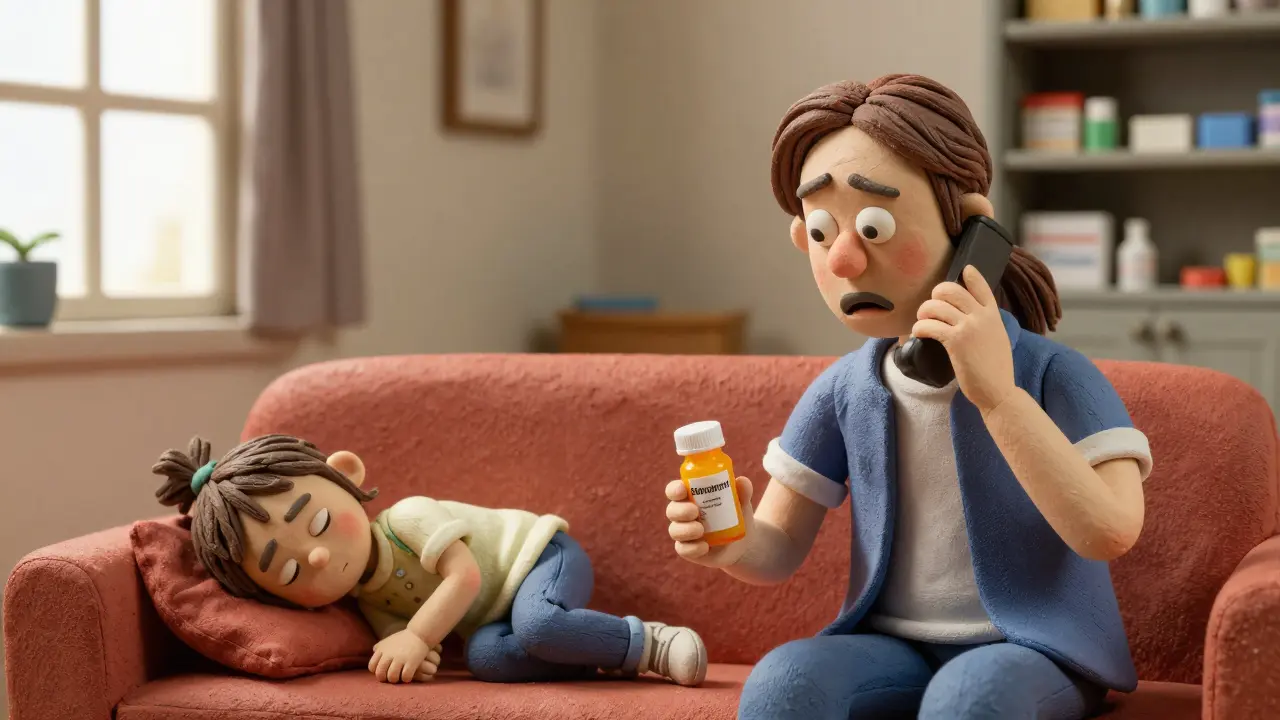
When someone takes too much of an antihistamine-whether it’s a child grabbing Benadryl from the cabinet or an adult accidentally doubling their dose-the clock starts ticking. Antihistamine overdose isn’t always obvious at first. The person might seem drowsy, confused, or have a racing heart. But within hours, things can turn dangerous: seizures, irregular heartbeat, trouble breathing, or even coma. The good news? If you act fast, survival rates are over 99%. The key is knowing exactly what to do before emergency help arrives.
What Happens in an Antihistamine Overdose?
Not all antihistamines are the same. First-generation types like diphenhydramine (Benadryl), chlorpheniramine, and promethazine are the real danger. These cross into the brain and block acetylcholine, leading to anticholinergic syndrome. Symptoms include dry mouth, flushed skin, blurred vision, trouble urinating, high heart rate, and hallucinations. At high doses, they also block sodium channels in the heart, which can widen the QRS complex on an EKG-a sign of serious toxicity. A QRS over 100 milliseconds means you’re in cardiac risk territory. Second-generation antihistamines like cetirizine (Zyrtec), loratadine (Claritin), and fexofenadine (Allegra) are much safer. Even large doses usually cause only mild dizziness or a fast heartbeat. But they’re not harmless. A 2020 study of over 9,000 pediatric cases found first-generation antihistamines caused serious outcomes 9 times more often than second-generation ones. Diphenhydramine alone accounted for 83% of severe cases in children under 6.First Aid: What to Do Immediately
If you suspect an overdose, don’t wait for symptoms. Don’t try to make the person throw up. Don’t give them anything to eat or drink unless instructed. Here’s what actually works:- Remove any remaining pills or liquid from the mouth. If it’s a liquid spill on the skin, rinse for 15-20 minutes. If it got in the eyes, flush with cool water for 20 minutes.
- Call poison control right away. In the U.S., dial 1-800-222-1222. In the UK, call 111 or go to 111.nhs.uk. They’ll ask how much was taken, what kind, when, and the person’s weight and age. Don’t guess-bring the bottle with you.
- Do not induce vomiting. This is a common myth. If the person is drowsy or confused, vomiting can cause choking or aspiration pneumonia. Poison control will tell you if it’s safe.
- Keep the person awake and calm. If they’re drowsy, sit them upright. If they’re having trouble breathing, call emergency services immediately.
- Gather all medication containers. Emergency teams need to know exactly what was taken. Many products combine antihistamines with painkillers or decongestants, which changes the treatment.
One parent on Reddit described finding her 2-year-old with an empty bottle of children’s Benadryl. She called poison control, who calculated the dose at 18 mg-below the 7.5 mg/kg threshold for her child’s weight. They told her to watch for rapid heartbeat, trouble peeing, or extreme sleepiness. She kept the child awake, monitored him for 6 hours, and he was fine. That’s the power of quick, accurate advice.
When to Go to the ER
You don’t need to go to the hospital for every overdose-but you do need to go if:- The person took more than 7.5 mg/kg of diphenhydramine (for kids under 6) or more than 300 mg total (for adults)
- They have a heart rate over 120 bpm
- They’re confused, hallucinating, or having seizures
- They’re having trouble breathing or their lips are turning blue
- The overdose involved promethazine, especially in infants under 2 (FDA black box warning)
Even if symptoms seem mild at first, cardiac effects can peak 4-6 hours after ingestion. That’s why observation is critical. The standard hospital protocol is 4-6 hours of monitoring for low-risk cases, and 24-48 hours if there’s EKG changes or cardiac instability.
What Happens in the Hospital
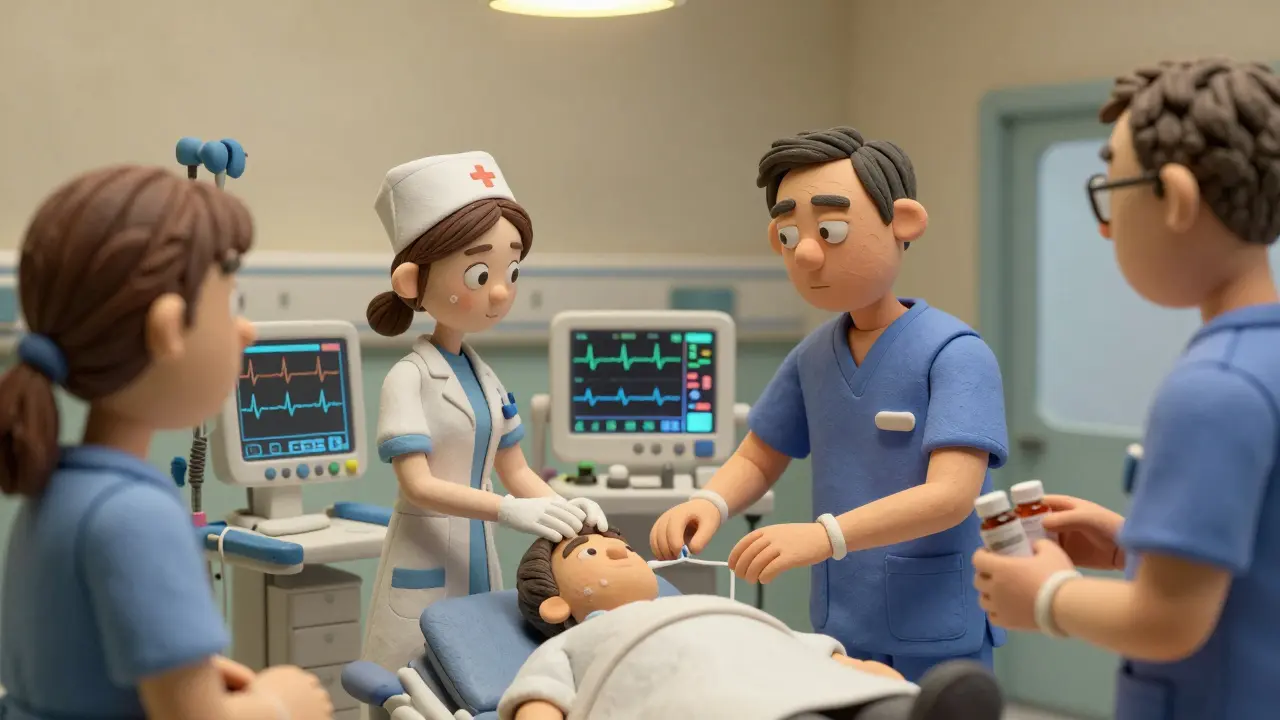
Once at the ER, the team will check vital signs, do an EKG, and run blood tests. If the overdose happened within the last 1-2 hours, they’ll give activated charcoal-25-100 grams for adults, 0.5-1 gram per kg for kids. This binds the drug in the gut and stops more from being absorbed.For cardiac issues, they’ll watch for QRS widening. If it goes over 100 milliseconds, they may give sodium bicarbonate. A 2022 study in the New England Journal of Medicine showed that a 1-2 mEq/kg IV bolus of 8.4% sodium bicarbonate can shorten the QRS interval and stabilize heart rhythm. This isn’t routine-it’s only for clear signs of toxicity.
Agitation or seizures? Benzodiazepines like lorazepam or midazolam are first-line. The American College of Medical Toxicology updated its 2023 guidelines to stop recommending physostigmine-it can cause dangerous heart rhythm problems in overdose patients.
There’s no antidote. Dialysis won’t help. Antihistamines bind tightly to proteins and spread widely through body tissues-so trying to flush them out with fluids or urine doesn’t work. Supportive care is everything: breathing support, IV fluids, heart monitoring, and sedation if needed.
Why Most Overdoses Happen-and How to Prevent Them
The American Association of Poison Control Centers reports that 67% of antihistamine overdoses involve children under 6. Most happen because bottles are left on counters, in purses, or in unsecured medicine cabinets. One in five cases involve dosing errors-parents using kitchen spoons instead of the included cup, or giving two doses thinking the first didn’t work.Adults aren’t immune. A 24-year-old on Drugs.com shared how he took 400 mg of diphenhydramine trying to sleep, expecting a “stronger high.” He ended up with a heart rate of 130 bpm, blurred vision, and couldn’t urinate for hours. He needed IV fluids and sedatives.
Prevention is simple:
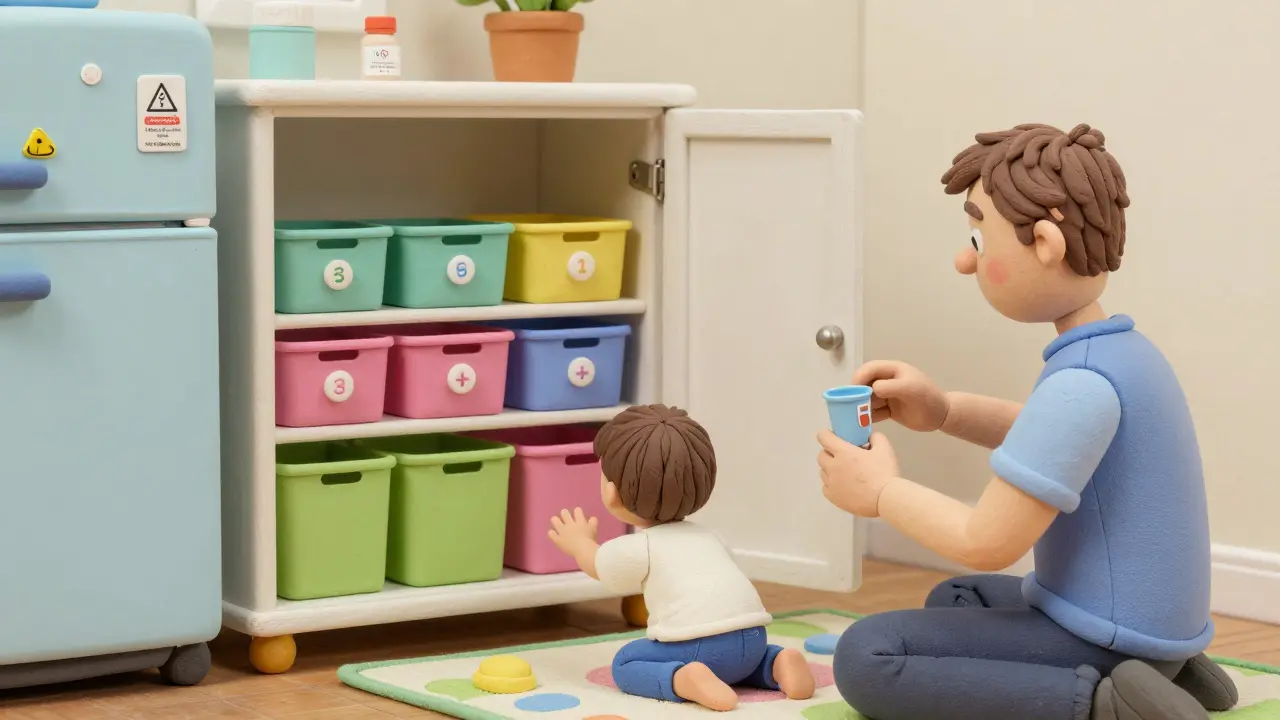
- Store all medications out of reach and sight-preferably locked up.
- Use the measuring device that comes with the bottle. Never use a kitchen spoon.
- Check labels for multiple active ingredients. Many cold medicines contain antihistamines you might not expect.
- Never use first-generation antihistamines to sedate infants or toddlers. The FDA banned this in 2008.
- Know your local poison control number. Save it in your phone.
What’s New in 2025
In June 2023, the FDA required all first-generation antihistamine labels to include clearer overdose warnings and improved child-resistant packaging. The National Poison Data System is also seeing a rise in overdoses from unregulated “natural” allergy remedies that secretly contain diphenhydramine or hydroxyzine. These products often don’t list ingredients, making treatment harder.But the core treatment hasn’t changed. As Dr. Lewis Nelson from NYU Langone said in 2023: “The fundamental approach hasn’t changed in 20 years because it works.” Activated charcoal, benzodiazepines, sodium bicarbonate for QRS widening, and time-those are the pillars.
Every second counts. Don’t wait. Don’t Google it. Call poison control. Then go to the ER if they say so. Lives depend on quick, correct action.
Can you die from an antihistamine overdose?
Yes, but it’s rare if treated quickly. Death usually happens when cardiac arrest occurs due to untreated QRS widening or respiratory failure. The survival rate for patients who get emergency care is over 99%. Most deaths occur when people delay help or don’t recognize the symptoms.
Is it safe to give activated charcoal at home?
No. Activated charcoal should only be given in a hospital or under direct medical supervision. Giving it at home can cause choking, especially if the person is drowsy. It also interferes with other medications and can mask symptoms. Always call poison control first.
What’s the difference between Benadryl and Zyrtec in an overdose?
Benadryl (diphenhydramine) is a first-generation antihistamine and can cause severe toxicity: heart rhythm problems, seizures, hallucinations, and urinary retention. Zyrtec (cetirizine) is second-generation and rarely causes serious effects-even at high doses. Most overdoses with Zyrtec result in mild drowsiness or a fast heartbeat. The risk with Benadryl is 9 times higher than with Zyrtec.
How long should someone be monitored after an overdose?
For mild cases with no symptoms, 4-6 hours of observation is standard. If the person had a large overdose or shows signs of toxicity-like a fast heart rate, EKG changes, or confusion-they’ll need 24-48 hours of hospital monitoring. Cardiac effects can peak 4-6 hours after ingestion, so even if they seem fine, they shouldn’t be left alone.
Can you use ice packs or cold showers to treat antihistamine overdose?
No. Antihistamine overdose can cause the body to overheat due to reduced sweating. Cooling methods like ice packs or cold showers can cause dangerous drops in body temperature or shock. The correct approach is IV fluids and medical monitoring-not home remedies.
Do antihistamine overdoses show up on drug tests?
Yes, diphenhydramine and other first-generation antihistamines can show up on some urine drug screens, often mistaken for tricyclic antidepressants because of similar chemical structures. But emergency teams don’t rely on drug tests-they treat based on symptoms and EKG findings. The priority is stabilizing the patient, not testing.
Next Steps After an Overdose
Once the person is stable, the focus shifts to prevention. If it was accidental, talk to a pharmacist about safer storage and dosing tools. If it was intentional, mental health support is essential. Many adult overdoses are linked to depression or self-harm, and only 18% are suicide attempts-but those still need follow-up care.Keep the poison control number saved in your phone. Make sure everyone in your household knows where medications are stored. And if you ever have even a small doubt-call. It’s better to be safe than sorry.
Jason Jasper
December 25, 2025 AT 02:10Just read this after my cousin had a bad reaction to some Benadryl last year. Scary stuff. I didn’t know QRS widening was a thing. Now I keep all meds locked up and have poison control saved in my phone. Good reminder.
Carlos Narvaez
December 25, 2025 AT 15:23First-gen antihistamines? Please. Anyone who can’t read a label deserves what they get.
Harbans Singh
December 26, 2025 AT 10:28This is gold. I’m from India where people use diphenhydramine like candy for sleep or allergies. I’ve seen grandparents give it to kids for ‘calmness.’ This post should be translated and shared everywhere. Thank you for the clarity.
Justin James
December 27, 2025 AT 07:56Let me tell you something they don’t want you to know. The FDA didn’t update labeling because they care about safety - they did it because Big Pharma got caught hiding data on cardiac risks. Activated charcoal? That’s just a Band-Aid. They know dialysis doesn’t work, but they keep pushing it because it’s profitable. Sodium bicarbonate? That’s a trick to make you think they’re doing something. Meanwhile, the real solution - banning first-gen antihistamines entirely - is buried under lobbying. And don’t get me started on how poison control centers are underfunded while the drug companies rake in billions. This isn’t medicine. It’s a cover-up.
Zabihullah Saleh
December 28, 2025 AT 08:13It’s wild how something so common - a sleep aid, an allergy pill - can turn into a death sentence if you don’t know the details. We treat meds like candy, then act shocked when things go wrong. It’s not about blame. It’s about how disconnected we are from what we put in our bodies. We don’t learn this stuff in school. We learn it when someone we love almost dies. That’s the real tragedy.
Winni Victor
December 28, 2025 AT 12:16Ugh. Another ‘just call poison control’ lecture. Like that’s some magical fairy godmother who fixes everything. I called them once. They told me to ‘monitor’ my kid for 6 hours. Meanwhile, my baby was drooling and staring into nothing. I had to drag him to the ER myself. Poison control is a glorified voicemail.
Terry Free
December 29, 2025 AT 22:22Anyone who uses kitchen spoons for meds is a liability. And yes, I’m talking to you, Mom who thinks ‘a little extra’ won’t hurt. You’re not a scientist. You’re not a pharmacist. You’re a hazard. Stop.
Lindsay Hensel
December 31, 2025 AT 00:26Thank you for this meticulously researched and compassionately presented guide. It is both a lifeline and a public service. I have printed this and posted it beside our medicine cabinet. Every household should have this.
Sophie Stallkind
January 1, 2026 AT 09:21Proper medication storage and dosing are non-negotiable. I commend the author for emphasizing evidence-based protocols over myths. This is exactly the kind of information that saves lives.
Katherine Blumhardt
January 2, 2026 AT 05:42OMG I had no idea Zyrtec was so much safer 😭 I always thought Benadryl was just sleepy medicine but now I’m terrified I gave my toddler too much last week 😭😭😭
sagar patel
January 3, 2026 AT 09:01Second gen safer. Fact. No debate.
Bailey Adkison
January 3, 2026 AT 20:42So you’re saying we should trust poison control but not the FDA? That’s rich. They’re the same system. And why no mention of how many of these overdoses are from people trying to get high? This is just fearmongering for parents who don’t know how to parent.
Michael Dillon
January 5, 2026 AT 19:56Man I once took 6 Benadryl because I was bored. Felt like I was in a dream. Couldn’t walk straight. Took me 8 hours to pee. Totally worth it. But yeah, don’t do that. Unless you’re into hallucinating your cat is a dragon.
Gary Hartung
January 7, 2026 AT 13:14Let’s be real - this article is just a corporate shill for the pharmaceutical industry’s ‘safe’ second-gen drugs. Why don’t they just ban ALL antihistamines? Or better yet - why isn’t anyone talking about how the FDA allows these drugs to be sold OTC in the first place? This isn’t safety - it’s control. And the QRS complex? That’s just a distraction from the real issue: capitalism kills.
Ben Harris
January 9, 2026 AT 05:33My cousin took 20 Benadryl and lived. So what’s the big deal? People are too scared these days. Just let them make their own choices. You don’t need a 2000-word essay to tell someone not to overdose. Just don’t be an idiot. That’s all.