
Depression Symptom & Safety Tracker
How to Use This Tracker
Track symptoms daily or weekly using the scale below. This tool is based on the Columbia-Suicide Severity Rating Scale (C-SSRS) and is designed for parents and teens to monitor safety concerns.
Reminder: This tool does not replace professional medical advice. Always consult with your healthcare provider for medical guidance.
Track Key Symptoms
Your Symptom History
Your symptom tracking data will appear here after saving entries
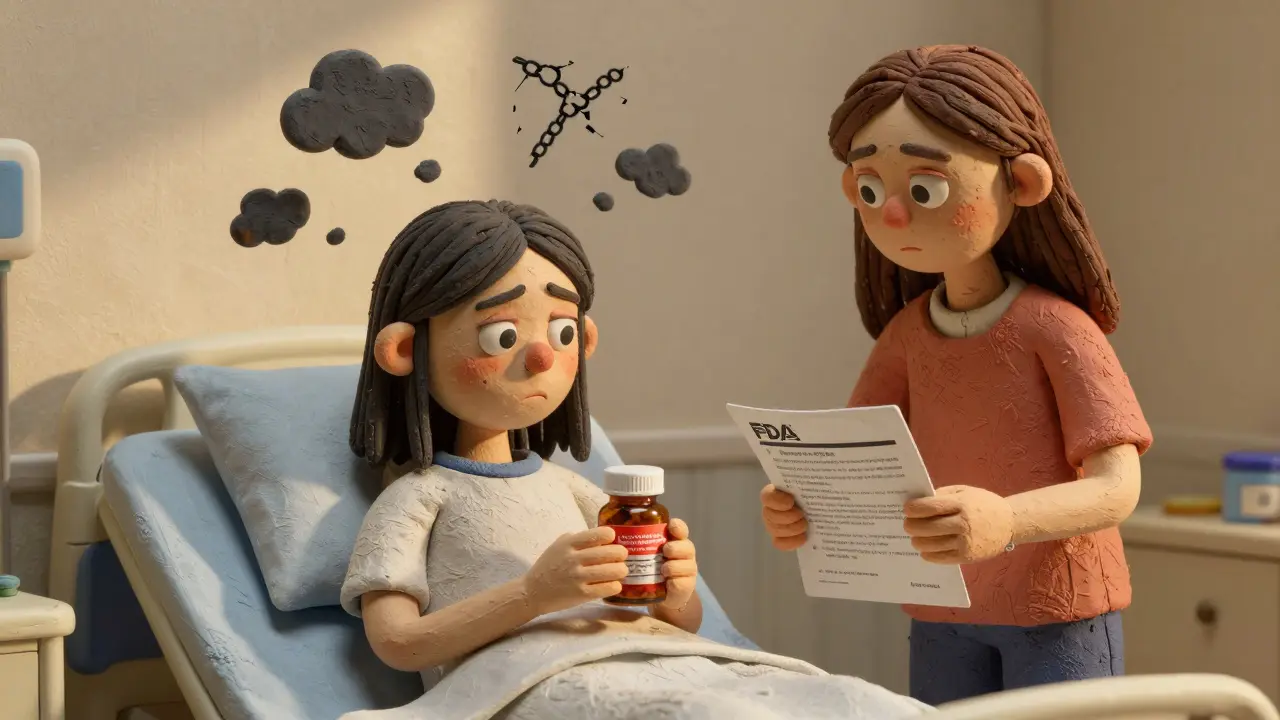
When a teenager is struggling with depression, the decision to try antidepressants isn’t just about weighing pros and cons-it’s about fear. Fear of side effects. Fear of worsening mood. And for many parents, the biggest fear comes from a red warning on the pill bottle: the black box warning.
This isn’t just a footnote. It’s the FDA’s strongest safety alert. Since 2004, every antidepressant prescribed to someone under 25 has carried this warning: “Antidepressants may increase the risk of suicidal thinking and behavior in children, adolescents, and young adults.” The warning was based on a review of 24 clinical trials involving over 4,400 young patients. In those studies, 4% of kids on antidepressants showed signs of suicidal thoughts or behaviors, compared to 2% on placebo. No one died in those trials-but the numbers were enough to trigger a nationwide shift in how doctors treat teen depression.
What the Black Box Warning Actually Says
The warning doesn’t say antidepressants cause suicide. It says they may increase the risk of suicidality-that’s suicidal thoughts, planning, or attempts-not completed suicide. The FDA’s original analysis found this risk was highest in the first few weeks after starting treatment or after a dose change. It applied to all antidepressants, not just SSRIs like fluoxetine or sertraline. Even drugs like bupropion and mirtazapine got the same label.
By 2007, the warning was expanded to include young adults up to age 24. But the strongest language still targets those under 18. The FDA also required drug makers to include a Patient Medication Guide with every prescription. That guide tells families: Watch for new or worsening depression, anxiety, agitation, panic attacks, insomnia, irritability, hostility, impulsivity, or suicidal thoughts.
But here’s the twist: the warning didn’t come with clear instructions on how to monitor. It just said “close observation.” So doctors scrambled. Some started weekly check-ins. Others used tools like the Columbia-Suicide Severity Rating Scale (C-SSRS) to ask direct questions: “Have you thought about ending your life?” “Do you have a plan?” “Do you have the means?” But not all clinics had the time, training, or resources to do this well.
The Unintended Consequences
Here’s where things got complicated. The warning worked-too well. Parents, terrified by the label, started refusing medication. Some doctors, unsure how to explain the risk, delayed prescriptions. A 2023 study in Health Affairs looked at over a decade of data and found something shocking: after the warning went live, antidepressant prescriptions for teens dropped by 22.3%. Visits for depression fell by 14.5%. Psychotherapy visits dropped too. And during that same period, suicide attempts (measured by psychotropic drug poisonings) rose by 21.7%. Completed suicides climbed 17.8% among 10- to 19-year-olds.
These aren’t random spikes. They line up tightly with the timing of the warning. The same study found no increase in monitoring-meaning doctors weren’t checking in more often. Instead, they were doing less. Fewer diagnoses. Fewer treatments. More silence.
One parent in Portland told me last year: “I refused fluoxetine for my 15-year-old because of that black box. I thought, ‘Better to suffer than risk suicide.’” Six months later, her daughter tried to overdose on over-the-counter painkillers. She’s now in therapy and on a low dose of sertraline-with weekly check-ins. “I wish I’d listened to the psychiatrist,” she said. “I didn’t understand the numbers.”
Are Antidepressants Safe for Teens?
The data doesn’t paint a simple picture. Yes, some teens experience increased suicidal thoughts early on. But many more get better. A 2022 survey of 1,200 adolescents at Mayo Clinic found 87% had symptom improvement without any suicidal ideation. Only 3% developed transient suicidal thoughts-and those went away after a small dose adjustment or added therapy.
And here’s something critical: depression itself is deadly. The lifetime risk of suicide for someone with untreated major depression is over 15%. Antidepressants don’t cause depression-they treat it. And when depression lifts, suicide risk drops.
Two major studies from 2020 and 2023 challenge the original logic. One, led by Dr. Christine Y. Lu at Harvard, concluded: “The warnings may be causing more harm than good.” Another, from the Cochrane Collaboration, reviewed 34 trials and found the evidence on suicidality risk was “low to very low quality.” Many studies were too small, too short, or didn’t track outcomes carefully enough to prove the link.
Meanwhile, the American Academy of Child and Adolescent Psychiatry and the American Psychiatric Association have both asked the FDA to update the warning. Their argument? For teens with moderate to severe depression, the benefits of antidepressants usually outweigh the risks. Especially when paired with therapy.
What Monitoring Actually Looks Like Today
If a doctor decides to prescribe an antidepressant to a teen, here’s what happens next:
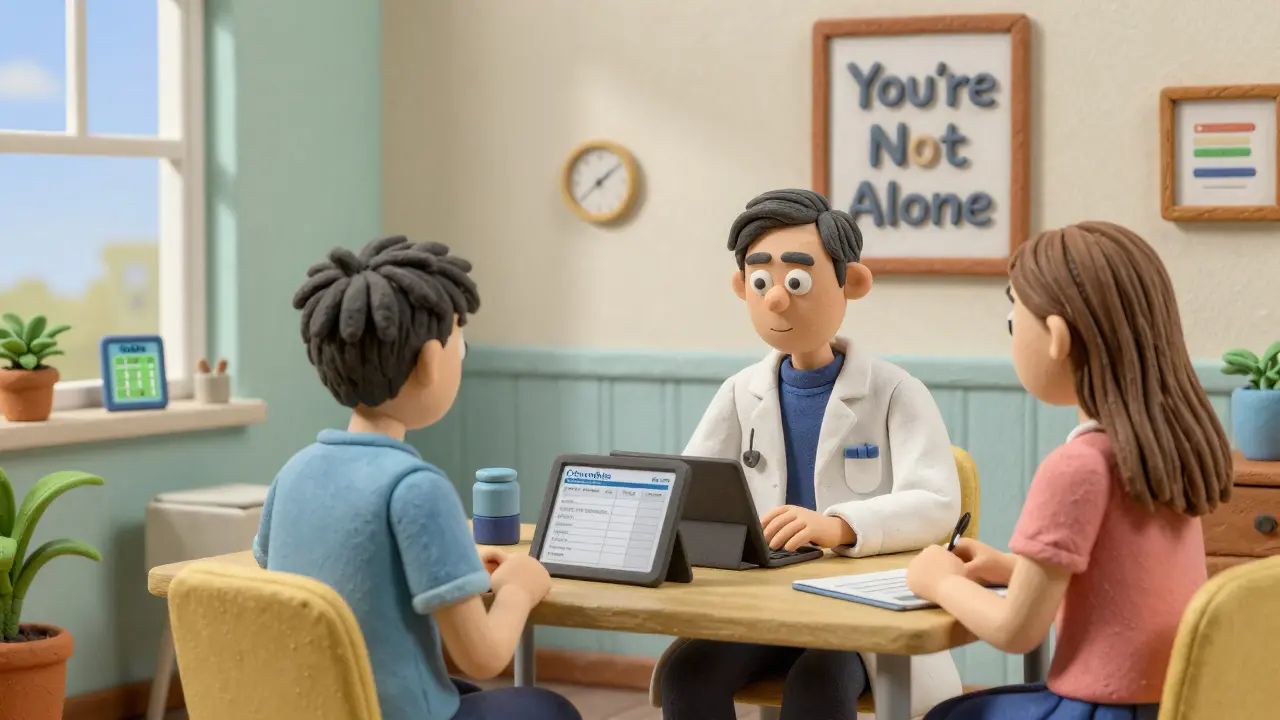
- Week 1: In-person or telehealth visit. The clinician asks about mood, sleep, energy, and suicidal thoughts using the C-SSRS. Parents are included in the conversation.
- Week 2: Another check-in. Has the teen’s behavior changed? Are they more agitated? Withdrawn? Talking about death?
- Week 4: Full assessment. The doctor evaluates if the medication is helping, and if any side effects are emerging.
- Month 2-3: Biweekly visits. Dose adjustments are common here. If the teen isn’t improving, the doctor may switch meds or add therapy.
- Month 4+: Monthly visits, unless symptoms worsen. Communication with school counselors or therapists is encouraged.
Some clinics use digital tools-text reminders, mood trackers, or secure messaging-to keep tabs on teens between visits. But not all do. And many families still don’t understand why these check-ins matter.
The Bigger Picture
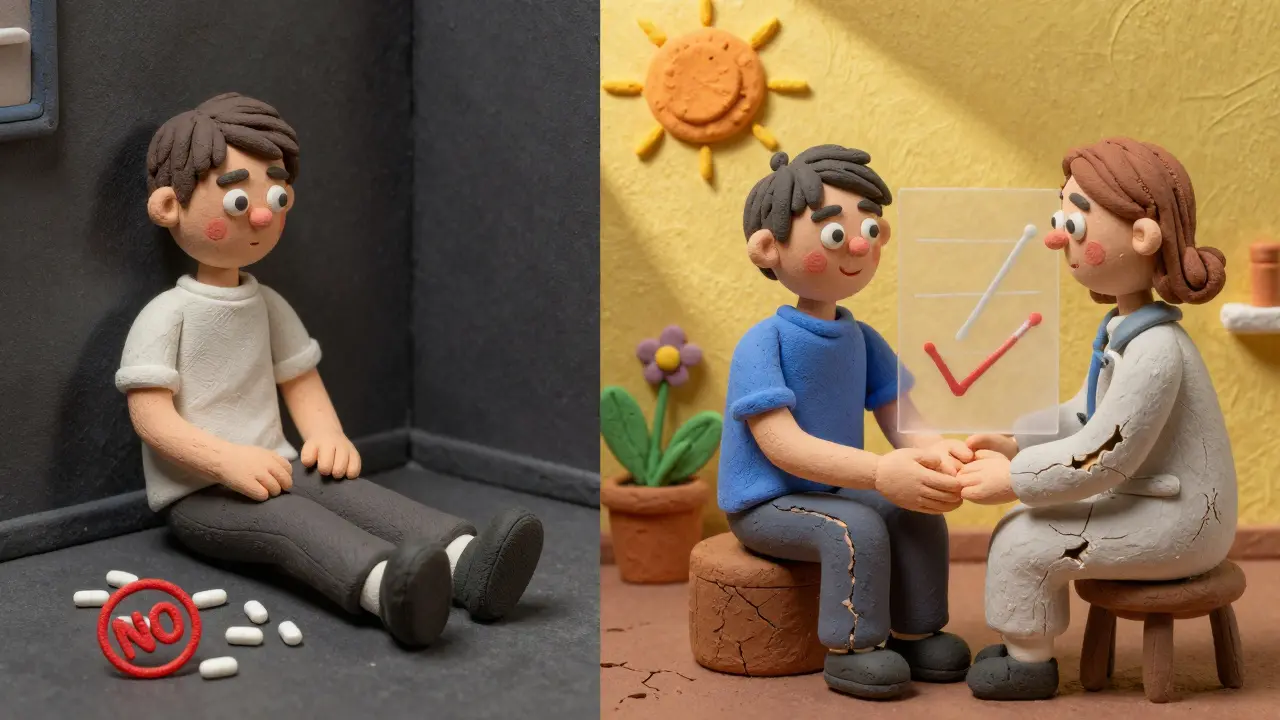
Antidepressants aren’t magic pills. They don’t fix trauma, bullying, or family conflict. But they can give a depressed teen the energy to show up for therapy, go to school, or call a friend. For some, they’re the difference between isolation and recovery.
The black box warning was meant to protect. But it’s now clear: fear without guidance can be deadly. Teens aren’t just statistics. They’re kids who need help, not silence. And parents need better information-not just a warning label, but a clear plan.
As of late 2025, the FDA hasn’t changed the warning. But pressure is building. A committee meeting is scheduled for September 2024 to review new data. If history is any guide, the next update won’t just be about risk-it’ll be about balance.
What Parents Should Do
If your teen is being considered for antidepressants:
- Ask: “What’s the evidence this medication will help?” Not all antidepressants work the same for teens. Fluoxetine and escitalopram have the strongest data for adolescents.
- Ask: “What’s the monitoring plan?” Expect weekly visits for the first month. Don’t accept vague answers.
- Ask: “Are we combining this with therapy?” CBT or interpersonal therapy improves outcomes significantly.
- Watch for changes: Increased agitation, sleeplessness, withdrawal, or talking about death. Call the doctor immediately if these appear.
- Don’t stop medication abruptly. Withdrawal can worsen symptoms. Always taper under medical supervision.
It’s okay to be scared. But don’t let fear stop care. The goal isn’t to avoid risk-it’s to manage it wisely.
Hariom Sharma
February 22, 2026 AT 05:25Nina Catherine
February 22, 2026 AT 19:09Taylor Mead
February 23, 2026 AT 09:05Amrit N
February 23, 2026 AT 11:48Robert Shiu
February 24, 2026 AT 13:32Scott Dunne
February 24, 2026 AT 22:10Ashley Paashuis
February 25, 2026 AT 05:39Marie Crick
February 26, 2026 AT 23:39Jayanta Boruah
February 28, 2026 AT 09:05Liam Crean
March 1, 2026 AT 00:47Ellen Spiers
March 1, 2026 AT 11:08