
When you believe a pill will make you sick, it often does—even if the pill is just sugar. This isn’t imagination. It’s the nocebo effect, the harmful counterpart to the placebo effect, where negative expectations trigger real physical symptoms. Also known as negative placebo effect, it’s why some people get headaches from sugar pills in clinical trials, or feel dizzy after reading the side effects list on a medication bottle. The nocebo effect doesn’t require a real drug to work. It runs on fear, misinformation, and past experiences. If you’ve heard someone say, "That drug made me nauseous," and then you take it too, your body might start feeling sick before the pill even dissolves.
This isn’t just about pills. It shows up in every corner of medicine. A patient told their injection will hurt? They report more pain—even with a tiny needle. Someone warned about fatigue from a new treatment? They feel exhausted, even if the drug has no sedative properties. Studies have shown that when patients are told about possible side effects upfront, they report those side effects more often than those who aren’t warned. It’s not weakness. It’s how the brain and body talk to each other. The placebo effect, the well-documented phenomenon where positive expectations improve symptoms works the same way, but in reverse. Both are real, measurable, and powerful. They’re not tricks—they’re biology.
Doctors and pharmacists now know this. That’s why some are changing how they talk about side effects—not to hide information, but to avoid accidentally triggering harm. Instead of listing every possible reaction, they focus on what’s likely, what’s serious, and what’s manageable. This shift matters because the drug side effects, the physical reactions caused by medications, often overlap with symptoms triggered by fear. When you mix real drug reactions with the nocebo effect, it gets hard to tell what’s what. That’s why reporting side effects to systems like FDA MedWatch isn’t just about tracking drugs—it’s about spotting when fear is driving the symptoms.
And it’s not just patients. Even healthcare providers can fall into this trap. If a provider believes a generic drug is less effective, they might warn the patient more strongly—increasing the chance the patient will feel worse. That’s why clear communication about generics, like with digoxin or SSRIs, isn’t just about cost—it’s about preventing self-induced harm. The psychological symptoms, physical feelings caused by mental expectations rather than biological changes tied to the nocebo effect can mimic everything from nausea to chest pain to brain fog. They’re real to the person experiencing them, even if no toxin is in their system.
What you’ll find below are real stories and science-backed guides that touch on this invisible force. From how grapefruit juice warnings can trigger side effects before you even drink it, to why some people feel worse after switching to a generic pill, to how simply reading about side effects can make you sick—these aren’t coincidences. They’re the nocebo effect in action. You’ll see how medication safety, patient communication, and even how we label drugs all tie into this quiet, powerful phenomenon. And you’ll learn how to spot it, reduce its impact, and take back control of your health—not just from drugs, but from your own expectations.
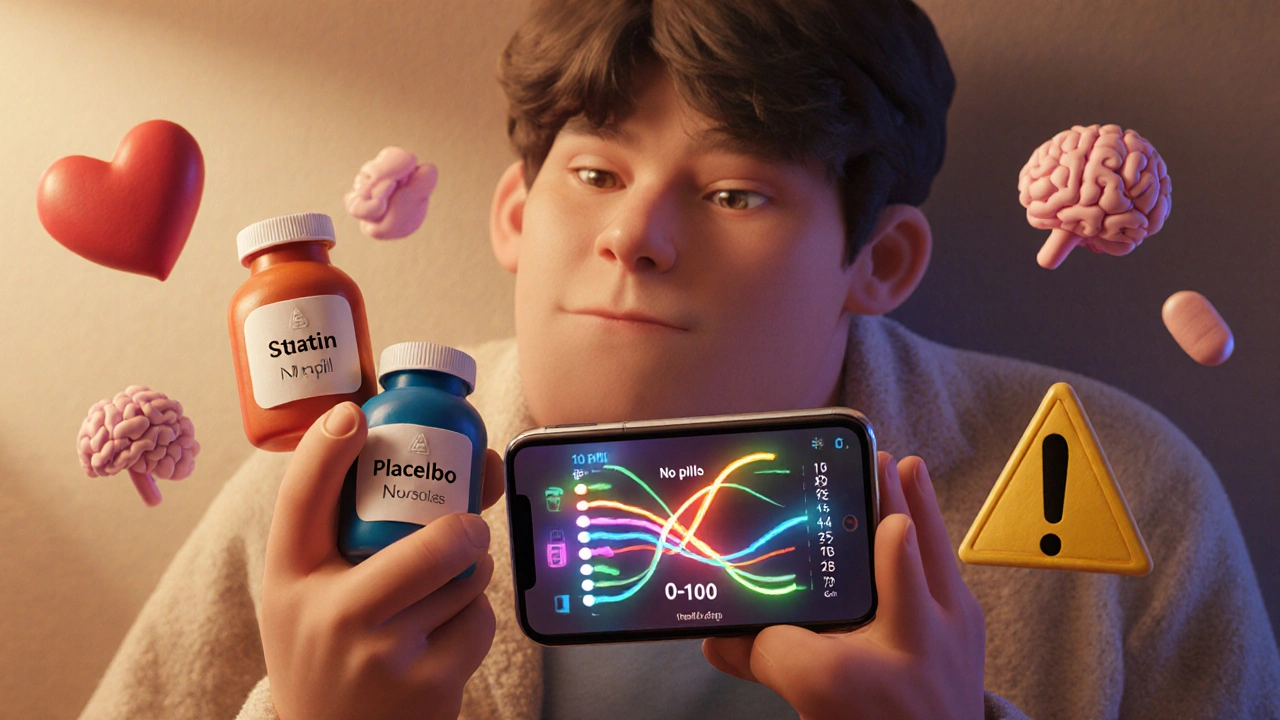
Most statin side effects aren't caused by the drug - they're caused by fear. Learn how the nocebo effect tricks your body into pain, why 90% of symptoms disappear with placebo, and how to safely restart statins.
Nov 25 2025
© 2026. All rights reserved.
Menu