
When you pick up a prescription, you might see two options: the familiar brand name or a cheaper generic version. But are they the same? Generic drugs, chemically identical versions of brand-name medications approved by the FDA after the original patent expires. Also known as generic equivalents, they contain the same active ingredient, dose, and route of administration as the original. The big difference? Price—often 80% less. But here’s what most people don’t realize: while the active ingredient must match, the fillers, coatings, and manufacturing processes can vary. That’s why some patients notice a difference when switching, especially with drugs that have a narrow therapeutic index, medications where small changes in blood levels can cause serious side effects or treatment failure. Think digoxin, warfarin, or thyroid meds. A tiny shift in absorption can mean the difference between control and crisis.
Brand name drugs get the spotlight because of marketing, but the FDA requires generics to be bioequivalent, proven to deliver the same amount of active ingredient into your bloodstream at the same rate as the brand. That doesn’t mean every generic is identical in how your body reacts. Individual factors—like gut health, liver enzymes, or even what you eat—can affect how a drug is absorbed. That’s why therapeutic drug monitoring, measuring drug levels in your blood to ensure they’re in the safe, effective range. is critical for some conditions. If you’ve switched from a brand to a generic and feel different, it’s not just in your head. Talk to your doctor. Track your symptoms. Get tested if needed. You’re not being paranoid—you’re being smart.
Cost matters, but safety matters more. A $5 generic is useless if it doesn’t work—or makes you sick. That’s why posts here dig into real cases: why switching digoxin generics can trigger toxicity, how grapefruit juice messes with both brand and generic statins, and why some people can’t tolerate certain generic versions of antidepressants or seizure meds. You’ll find practical advice on when to stick with brand, when generic is fine, and how to spot red flags. No fluff. Just what you need to know before you refill your prescription.
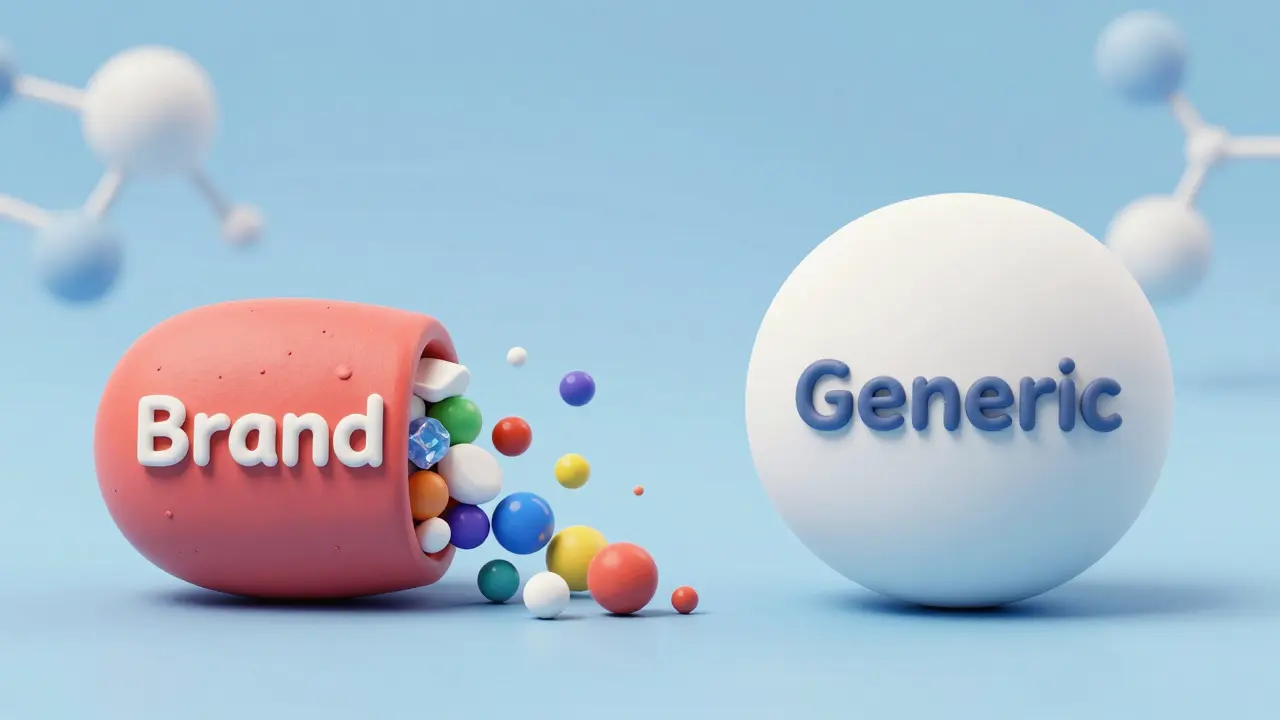
Generic drugs are just as safe as brand-name versions, but unexpected side effects can happen due to inactive ingredients - not the active drug. Learn how to spot real interaction risks and avoid unnecessary fear.
Jan 16 2026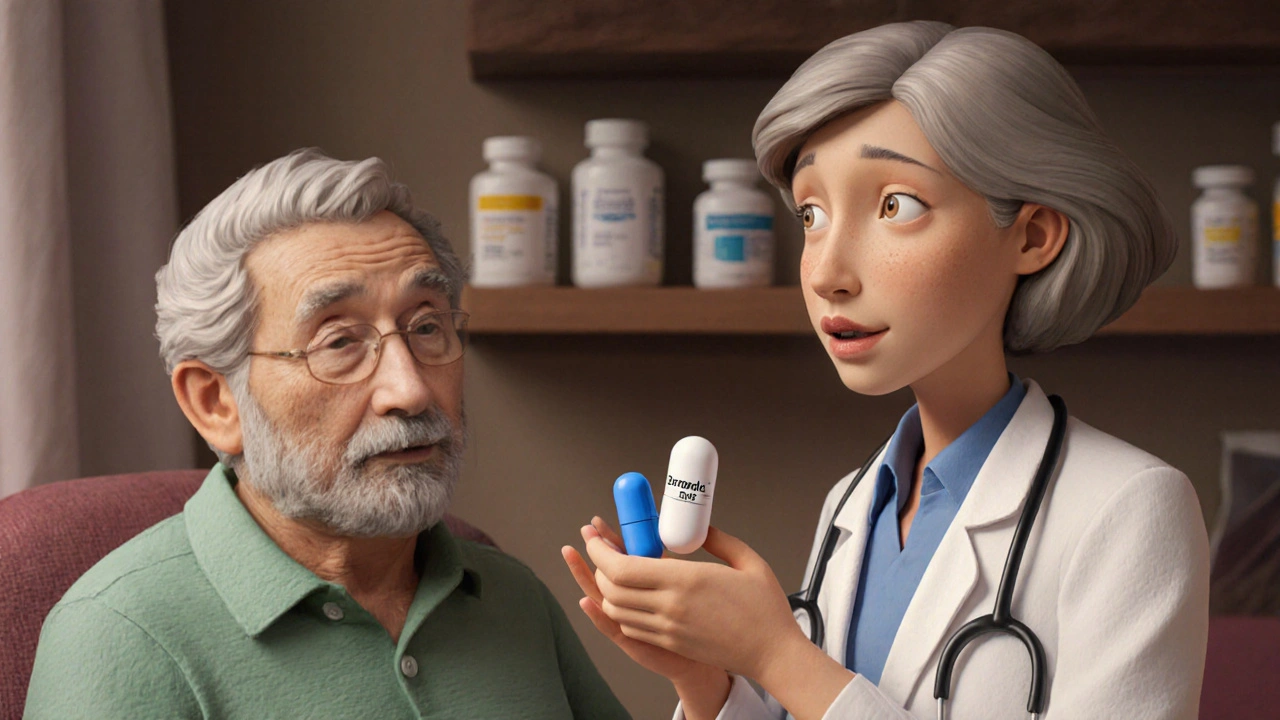
Learn how to effectively communicate with patients about generic medications to improve adherence, reduce costs, and build trust. Discover proven strategies, common concerns, and how to answer patient questions with confidence.
Nov 24 2025
© 2026. All rights reserved.
Menu