
When your body responds unexpectedly to a medication, that’s a drug reaction, an unintended response to a medication that can range from harmless to deadly. Also known as adverse drug events, these reactions aren’t always allergies—they can be side effects, interactions, or even delayed responses that show up weeks later. Many people think drug reactions only happen with strong prescriptions, but even common painkillers, antihistamines, or supplements can trigger them. You don’t need to be allergic to have a bad reaction—sometimes it’s just how your body processes the drug.
One of the biggest causes of serious drug reactions is drug interactions, when two or more medications affect each other’s behavior in your body. For example, mixing SSRIs with NSAIDs can spike your risk of stomach bleeding by 75%. Grapefruit juice doesn’t just ruin your breakfast—it can make statins and blood pressure meds too strong, leading to muscle damage or kidney failure. Even something as simple as stopping a medication too fast can cause rebound effects, like nasal congestion from overused decongestant sprays. These aren’t rare mistakes—they happen every day because people don’t know how their meds work together.
Some drug reactions are immediate, like hives or swelling after taking penicillin. Others creep up slowly, like liver damage from long-term use of certain antibiotics or cholesterol drugs. Your genetics, age, other health conditions, and even what you eat can change how your body handles a drug. That’s why two people taking the same pill can have totally different outcomes. The good news? Most reactions are preventable. Knowing which drugs are linked to specific risks—like dexamethasone’s impact on blood sugar or atorvastatin’s interaction with vitamin A—helps you ask the right questions before you take anything new.
There’s no way to predict every reaction, but you can cut your risk dramatically. Keep a list of everything you take, including supplements and OTC meds. Talk to your pharmacist, not just your doctor—they see drug interactions all day. If something feels off after starting a new pill—dizziness, rash, nausea, unusual fatigue—don’t ignore it. Write it down. Track when it started. Bring it up at your next visit. The more you know about how your body reacts, the safer you’ll be.
Below, you’ll find real-world guides that break down exactly how medications cause problems, which combinations are dangerous, and how to avoid common traps. Whether it’s how grapefruit ruins your statins, why nasal sprays cause rebound congestion, or how SSRIs and ibuprofen team up to bleed your stomach, these posts give you the facts without the fluff. No theory. No guesswork. Just what works—and what to watch out for.
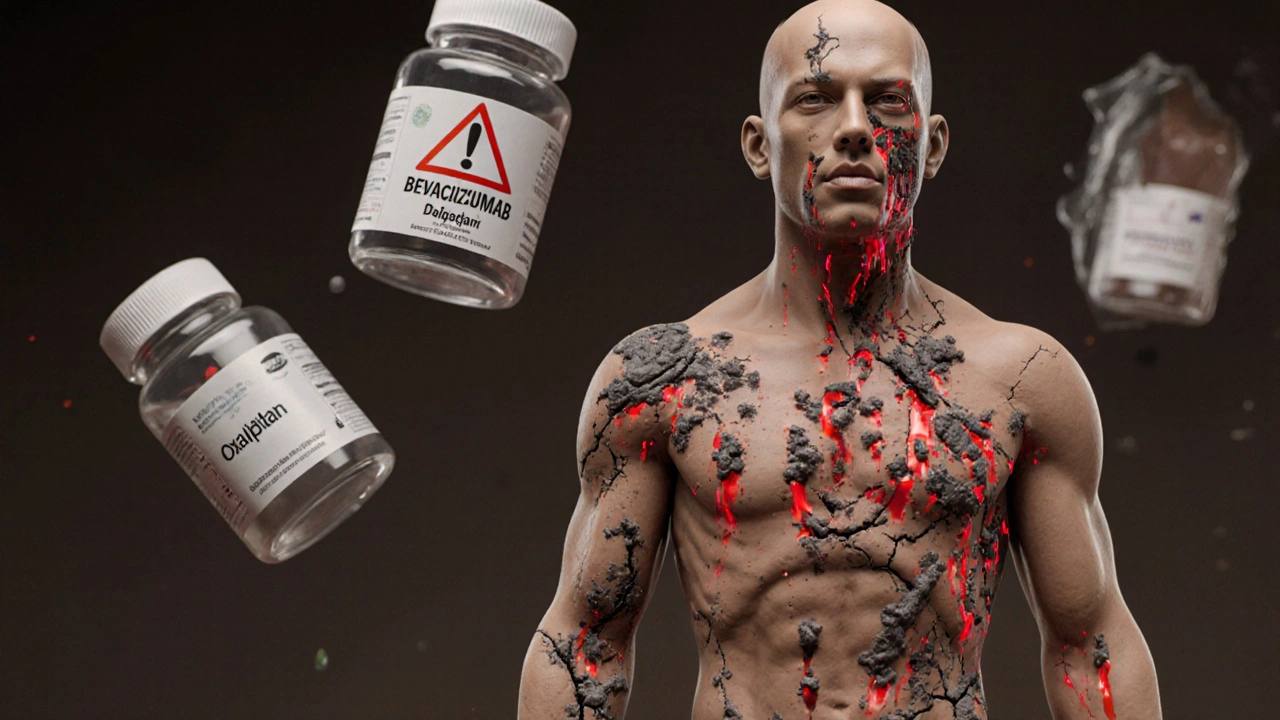
Drug-induced disseminated intravascular coagulation (DIC) is a rare but deadly reaction to medications like cancer drugs and anticoagulants. Learn how to recognize it early, stop the trigger, and provide life-saving support.
Nov 14 2025
© 2026. All rights reserved.
Menu