
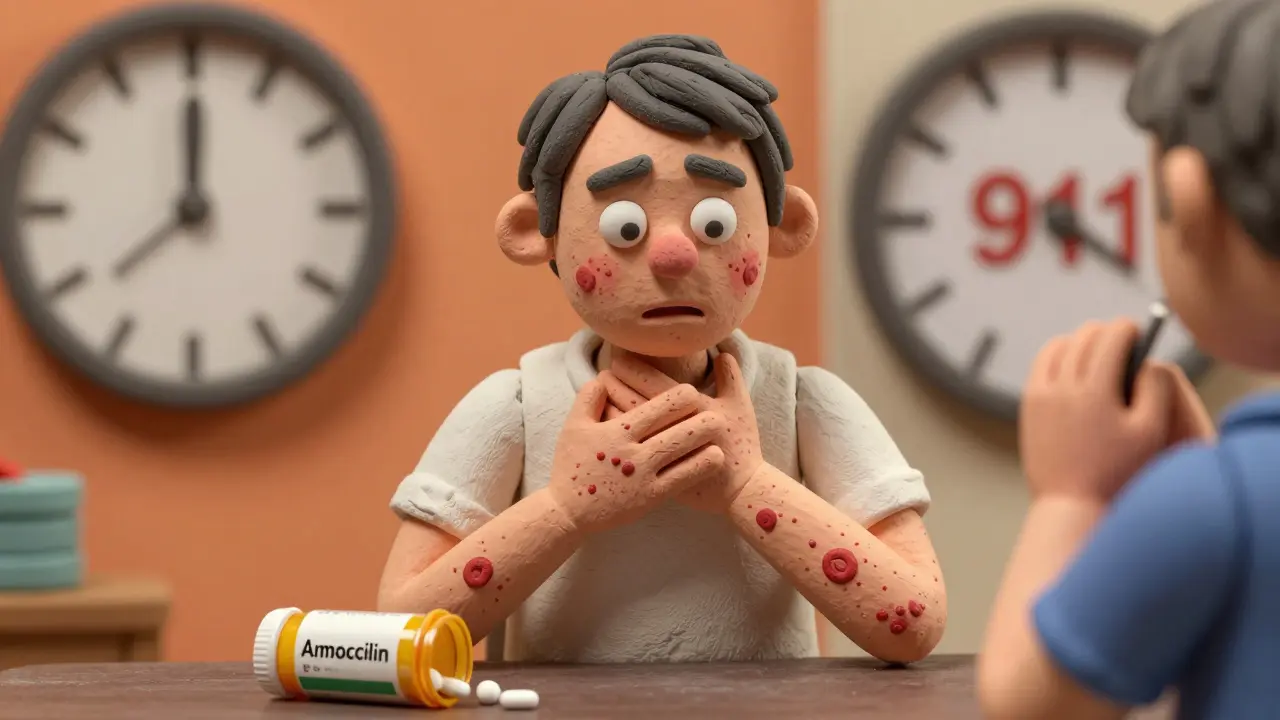
It’s not uncommon to feel unwell after taking a new medication. A headache, upset stomach, or drowsiness might just be a side effect. But if your body is having a drug allergy, something more serious is happening - your immune system is attacking the medicine like it’s a threat. Unlike side effects, which are predictable and common, true drug allergies are rare, unpredictable, and sometimes life-threatening. Knowing the difference could save your life.
What Does a Drug Allergy Actually Look Like?
A drug allergy isn’t just a rash or feeling queasy. It’s an immune response. Your body mistakes the drug for a harmful invader and releases chemicals like histamine, triggering symptoms. These can show up in seconds or weeks after taking the medication. The most common sign? A skin reaction. Hives - red, itchy, raised welts - appear in over 70% of allergic drug reactions. Itching, swelling, and red patches are also frequent. But don’t assume a rash is harmless.
Some reactions are delayed. A fine, flat rash might not show up until 5 to 10 days after starting a new antibiotic like amoxicillin. These are often called drug exanthems. They usually fade after stopping the drug and don’t involve fever or other symptoms. But if that rash turns into blisters, peeling skin, or sores in your mouth or eyes, it’s a red flag. That’s Stevens-Johnson Syndrome or Toxic Epidermal Necrolysis - rare but deadly conditions that need hospital care immediately.
When It’s an Emergency: Anaphylaxis
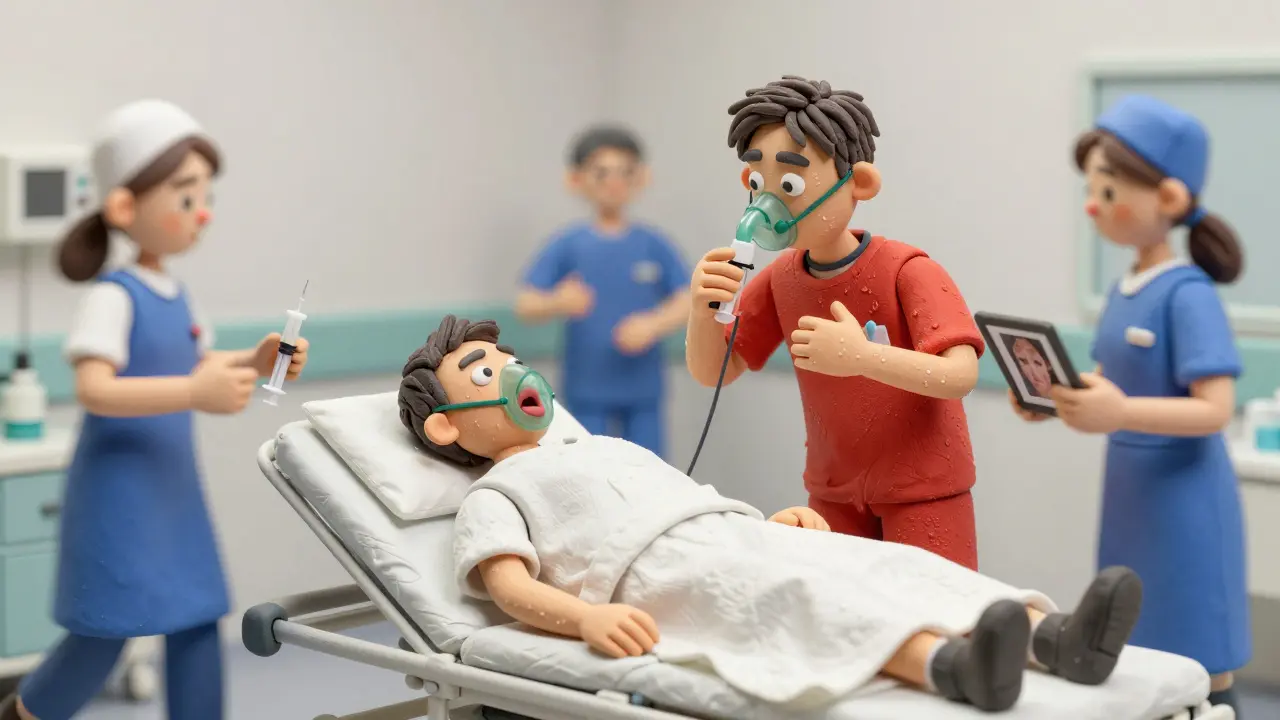
Anaphylaxis is the most dangerous drug allergy reaction. It hits fast - often within minutes to an hour after taking the medicine. It doesn’t just affect the skin. It attacks multiple systems at once. You might get hives and swelling in your throat, and trouble breathing, and a sudden drop in blood pressure. Dizziness, vomiting, or passing out can follow. This isn’t something you wait out. If you or someone else has two or more of these symptoms together, call 911. Don’t drive yourself. Don’t wait to see if it gets better. Anaphylaxis can kill in under an hour.
Penicillin and related antibiotics are the most common triggers. But sulfa drugs, NSAIDs like ibuprofen, chemotherapy agents, and even some anesthesia drugs can cause reactions. If you’ve ever had a severe reaction to any drug, assume it could happen again unless proven otherwise.
Other Serious Reactions You Might Not Recognize
Not all dangerous drug allergies look like hives. DRESS syndrome (Drug Rash with Eosinophilia and Systemic Symptoms) can develop weeks after starting a drug. You’ll get a widespread rash, high fever, swollen lymph nodes, and liver problems. It might seem like the flu at first, but it can lead to organ failure if not caught early.
Serum sickness-like reactions are another delayed type. You might feel fine for a week or two, then suddenly develop joint pain, fever, and a rash. These often follow antibiotics or antiseizure meds. They’re not usually fatal, but they need medical attention to prevent complications.
Even if you’ve taken a drug before without issue, that doesn’t mean you’re safe. Allergies can develop after repeated exposure. One dose might be fine. The next could trigger a reaction. That’s why it’s important to pay attention every time you start a new medication.
What to Do If You Suspect a Drug Allergy
If you think you’re having a reaction, stop taking the drug - but don’t just toss it. Keep the bottle and the name of the medication. Take a photo of any rash or swelling. This helps your doctor later.
For mild symptoms - like a small rash or mild itching - call your GP. They can help you decide if it’s an allergy or just a side effect. But if you have any of these signs, go to the ER right away:
- Difficulty breathing or wheezing
- Swelling of the lips, tongue, or throat
- Feeling faint, dizzy, or confused
- Rapid heartbeat or low blood pressure
- Blistering, peeling, or spreading skin rash
- Sores in your mouth, eyes, or genitals
Don’t rely on antihistamines like Benadryl to fix a serious reaction. They might help with itching, but they won’t stop anaphylaxis. Epinephrine is the only treatment that can reverse it - and it’s only available in hospitals or via auto-injector (like an EpiPen) if you’ve been prescribed one.
Getting a Proper Diagnosis - It’s Not as Simple as You Think
Many people think they’re allergic to penicillin because they had a rash as a kid. But studies show over 90% of those people aren’t truly allergic. The problem? That label sticks. Doctors avoid penicillin, even when it’s the best, safest, cheapest option. Instead, they prescribe broader antibiotics that cause more side effects and contribute to antibiotic resistance.
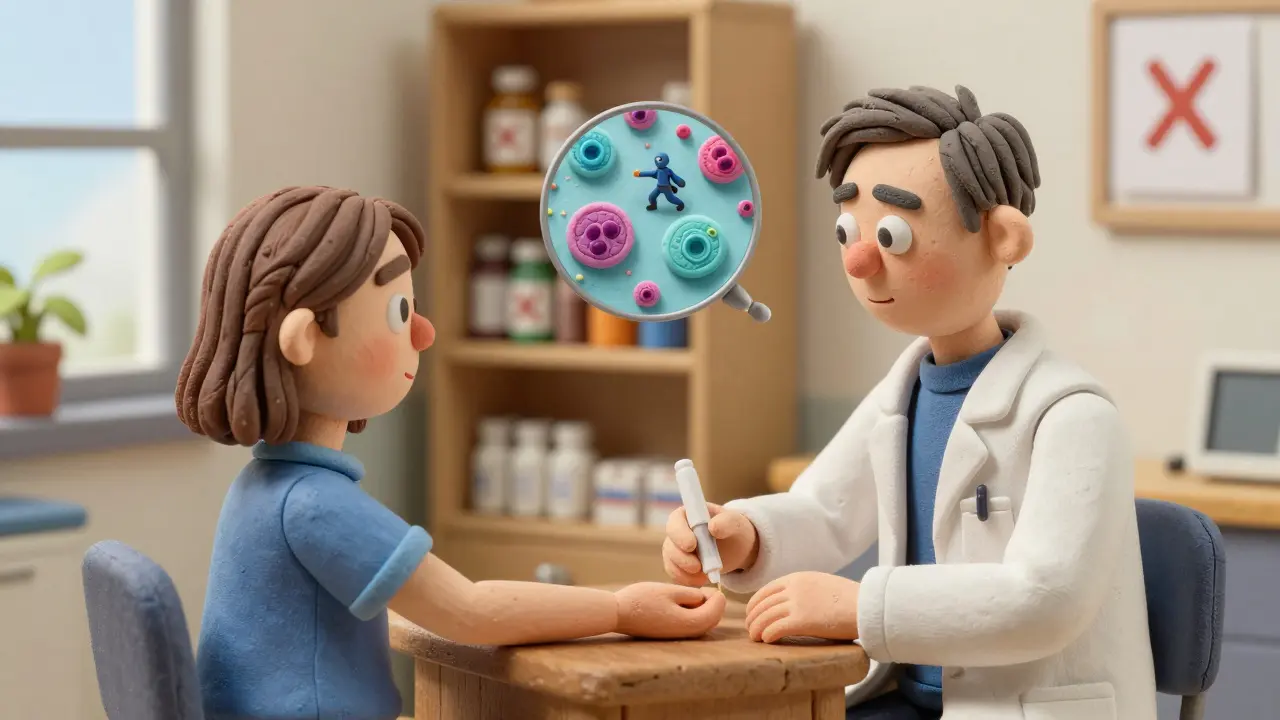
Penicillin is the only drug with a reliable skin test. An allergist will prick your skin with tiny amounts of penicillin. If there’s no reaction, they may give you a small oral dose under supervision. If you pass, you’re cleared. No more unnecessary warnings on your medical record.
For other drugs, testing is harder. There’s no blood test or skin test for most allergies. Diagnosis relies on your history: when symptoms started, what you were taking, how they progressed, and whether they improved after stopping. That’s why documenting everything matters. Keep a drug diary. Note the name, date, dose, and symptoms. Bring it to your appointment.
Why Misdiagnosis Costs Lives - And Money
Wrongly labeling someone as allergic to a drug isn’t just inconvenient - it’s dangerous. In the U.S., about 10% of people are incorrectly labeled as penicillin-allergic. That leads to more hospital stays, longer recovery times, and higher healthcare costs. Patients get less effective drugs, which can cause worse infections like C. diff. They’re also more likely to need ICU care.
And it’s not just penicillin. Mislabeling affects how doctors treat pain, seizures, infections, and even cancer. If you’ve been told you’re allergic to a drug, ask: “Was this confirmed with testing?” If not, you might be carrying a false label that puts you at risk.
What Happens After You’re Diagnosed
If you’re confirmed to have a drug allergy, your allergist will help you create a plan. You’ll get a medical alert bracelet. You’ll learn to avoid not just the drug, but similar ones in the same class. For example, if you’re allergic to amoxicillin, you’ll likely need to avoid other penicillin derivatives.
For some reactions, especially mild ones, your doctor might suggest a controlled re-exposure later - called a drug challenge. This is done only in a clinic with emergency equipment on hand. It’s not risky if done right, and it can remove unnecessary restrictions from your medical record.
Always tell every healthcare provider - dentists, pharmacists, ER staff - about your allergies. Don’t assume they’ll check your file. Say it out loud. Write it down. Make sure it’s on your prescription list.
Final Advice: Don’t Guess. Get Checked.
If you’ve ever had an odd reaction to a drug, don’t ignore it. Don’t assume it was just a coincidence. Don’t think you’re overreacting. Even if it seemed minor at the time, it could be a warning sign. And if you’ve been told you’re allergic to a common drug like penicillin, ask for a referral to an allergist. Getting tested could open up better, safer treatment options - and spare you from unnecessary risks down the line.
Drug allergies are rare. But when they happen, they’re serious. Learning to recognize the signs - and knowing exactly when to act - makes all the difference.
How do I know if my rash is from a drug allergy or just a side effect?
Side effects like nausea or drowsiness usually happen right after taking the drug and don’t involve your immune system. A drug allergy rash often comes with itching, swelling, or hives. If you also have trouble breathing, fever, or swelling in your face or throat, it’s likely an allergic reaction. Side effects don’t cause anaphylaxis. If you’re unsure, take a photo and call your doctor.
Can you outgrow a drug allergy?
Yes, especially with penicillin. Many people lose their allergy over time - sometimes within a few years. That’s why it’s important to get tested, even if you had a reaction decades ago. A simple skin test can confirm whether you’re still allergic or if it’s safe to use the drug again.
Is there a blood test for drug allergies?
There’s no standard blood test for most drug allergies. The only exception is for some severe delayed reactions like DRESS syndrome, where a blood test might show high white blood cell counts or liver enzyme changes. But for immediate reactions like hives or anaphylaxis, diagnosis relies on your history and, in rare cases, skin testing - only available for penicillin.
What should I do if I have a reaction but can’t see a doctor right away?
Take clear photos of any rash, swelling, or skin changes. Write down the name of the drug, when you took it, and when symptoms started. Avoid taking the drug again until you’ve been evaluated. If symptoms are mild, schedule an appointment with your GP. If they’re severe - trouble breathing, swelling, dizziness - go to the emergency room immediately.
Can I take a different antibiotic if I’m allergic to penicillin?
Yes, but not all alternatives are better. Some are broader-spectrum, more expensive, and increase the risk of antibiotic-resistant infections like C. diff. If you’re labeled penicillin-allergic, ask your doctor if you can be tested. Many people who think they’re allergic can safely take penicillin after proper evaluation.
Anthony Capunong
January 7, 2026 AT 15:48Bro, I had a rash after amoxicillin in 2018 and they labeled me allergic. Now I can’t take anything for my sinus infections. My doctor just shrugs and gives me cipro like it’s candy. Meanwhile, I’m paying $800 for a 5-day course while penicillin would’ve cost $12. This whole system is broken.
Emma Addison Thomas
January 8, 2026 AT 20:36Thank you for this. In the UK, we don’t always get the same level of follow-up after a suspected reaction. I had a delayed rash from sulfamethoxazole and was told to just avoid it forever. Learning there’s no blood test and that many people outgrow penicillin allergies is eye-opening. I’m booking an allergist appointment next week.
Mina Murray
January 10, 2026 AT 19:44So let me get this straight - you’re telling me the entire medical industry is lying to us? Big Pharma doesn’t want you to know penicillin is safe because they make more money off those ‘alternative’ antibiotics? And now they’re pushing this ‘get tested’ nonsense so they can keep selling you overpriced EpiPens? I’ve seen this before - it’s the same playbook as vaccines and fluoride. Wake up.
Alex Danner
January 10, 2026 AT 22:27One thing no one talks about: the psychological toll of being labeled allergic. I had a mild rash after ibuprofen at 19. Got tagged as ‘NSAID allergic’ forever. Now I’m 38, and every time I get a migraine, I have to beg my doctor to even consider a different pain med. They’re scared. I’m scared. And honestly? I’ve never had another reaction. Ever. That label is a prison. Get tested. Seriously. It’s not just about saving money - it’s about reclaiming your health.
Also - if you’ve ever had a rash after a drug, write it down. Not just ‘rash.’ Write: ‘Day 7, amoxicillin, started as red dots on chest, spread to arms, no fever, faded in 5 days.’ Details matter. Doctors need them. Your future self will thank you.
Sai Ganesh
January 11, 2026 AT 13:42In India, we rarely get proper allergy testing. If you get a rash, you’re told to stop the medicine and never touch it again. I had a reaction to a painkiller after surgery - swelling, itching - and they just gave me a different one. No follow-up. No explanation. I didn’t even know DRESS syndrome existed until I read this. Thank you for explaining it so clearly. I’m sharing this with my family.
Christine Joy Chicano
January 11, 2026 AT 17:21Let’s talk about the linguistic trap: ‘side effect’ vs ‘allergy.’ We use ‘side effect’ like it’s a minor inconvenience - like your phone battery drains faster after an update. But a true drug allergy isn’t a glitch. It’s a full-system override. Your immune system doesn’t ‘side effect’ - it declares war. And that’s why we need to stop normalizing the language around it. This isn’t ‘a little itch.’ It’s a biological betrayal.
Adam Gainski
January 12, 2026 AT 07:58I’m a pharmacist. I see this every day. People come in with a scrip for amoxicillin, say ‘I’m allergic to penicillin,’ and I ask if they’ve ever been tested. 9/10 say no. I’ve had patients cry because they were told they couldn’t take the one drug that actually worked for their kid’s ear infection. We need better education - for patients and providers. This post? Perfect. Print it. Hang it in every clinic.
Anastasia Novak
January 13, 2026 AT 00:38Ugh. Another ‘educational’ post from someone who clearly thinks they’re a medical saint. You didn’t even mention the fact that 70% of ‘penicillin allergies’ are misdiagnosed because someone had a stomach ache in 1998. Meanwhile, doctors are still prescribing vancomycin like it’s the cure-all. It’s not science - it’s fear-driven inertia. And you? You’re just feeding the machine with your ‘get tested’ pep talk. Pathetic.