
High blood sugar isn't just a number on a screen; it's a silent alarm that can escalate from mild discomfort to a life-threatening crisis in hours. Whether you manage Type 1 or Type 2 diabetes, understanding hyperglycemia is the difference between staying in control and ending up in an ICU. The core problem? Most people ignore early warning signs like excessive thirst or frequent urination until their glucose levels spike dangerously high. This guide breaks down exactly what those signs look like, how to distinguish a routine spike from an emergency, and the precise steps to take when things go wrong.
Key Takeaways
- Hyperglycemia is defined as blood glucose exceeding 180 mg/dL, with severe cases surpassing 300 mg/dL.
- Early symptoms include polyuria (frequent urination), polydipsia (extreme thirst), and blurred vision, affecting nearly 80% of patients.
- Two critical emergencies exist: Diabetic Ketoacidosis (DKA) and Hyperosmolar Hyperglycemic State (HHS), each requiring different immediate actions.
- Continuous Glucose Monitors (CGMs) can reduce hyperglycemia episodes by up to 57% through real-time alerts.
- Emergency protocols involve checking ketones, hydrating aggressively, and administering correction insulin based on specific ratios.
Understanding the Thresholds: When Is Blood Sugar Too High?
Medical professionals categorize elevated glucose levels into distinct tiers to determine urgency. According to guidelines from the Mayo Clinic, mild hyperglycemia sits between 180 and 250 mg/dL. At this stage, your body is struggling to move glucose into cells, but the risk of immediate organ damage is lower. Moderate hyperglycemia ranges from 251 to 300 mg/dL, where symptoms become more pronounced and cognitive function may start to slip. Severe hyperglycemia kicks in above 300 mg/dL, signaling that your metabolic system is under significant stress. If levels climb past 600 mg/dL, you are entering critical territory where dehydration and electrolyte imbalances can rapidly lead to coma.
It’s not just about the number; it’s about the trajectory. A slow rise over days suggests a need for medication adjustment, while a rapid spike over 24-48 hours often indicates an acute issue like infection or missed insulin doses. Understanding these thresholds helps you decide whether to adjust your lunch carbs or call for an ambulance.
Recognizing the Warning Signs Before They Worsen
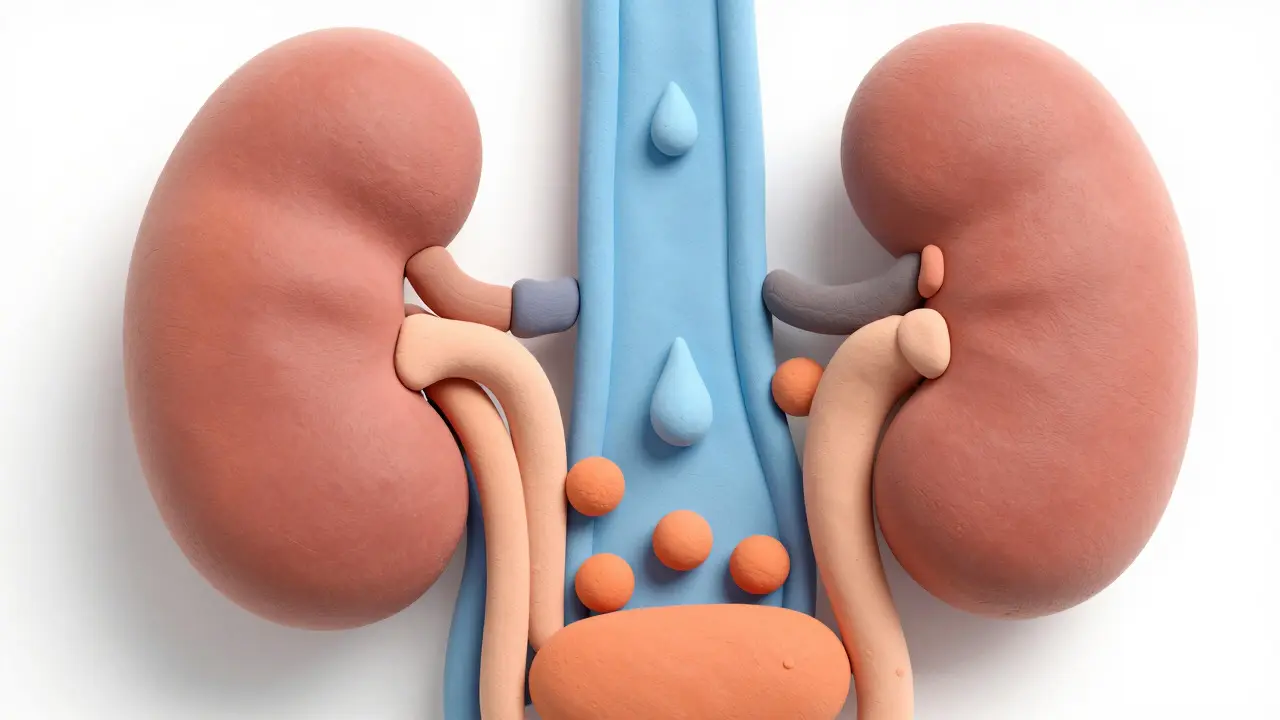
Your body sends signals long before a crisis hits, but they’re easy to misinterpret. The most common early indicators are polyuria and polydipsia. When blood sugar exceeds the kidneys' reabsorption capacity, excess glucose spills into urine, pulling water with it. This leads to urinating more than 2.5 liters per day, which in turn triggers intense thirst, often driving fluid intake above 4 liters daily. Many patients blame this on hot weather or caffeine consumption, missing the underlying metabolic cause.
As levels creep higher, other symptoms emerge. Blurred vision affects roughly 68% of cases because high glucose causes the lens of the eye to swell, changing its shape. Fatigue is another major red flag, reported by 79% of patients, as cells starve for energy despite abundant glucose in the blood. Headaches and difficulty concentrating follow, impacting work and daily tasks. If you notice unexplained weight loss-more than 5% of body weight over three months-it’s a strong indicator that your body is breaking down fat and muscle for fuel due to insulin deficiency.
Distinguishing Between DKA and HHS Emergencies
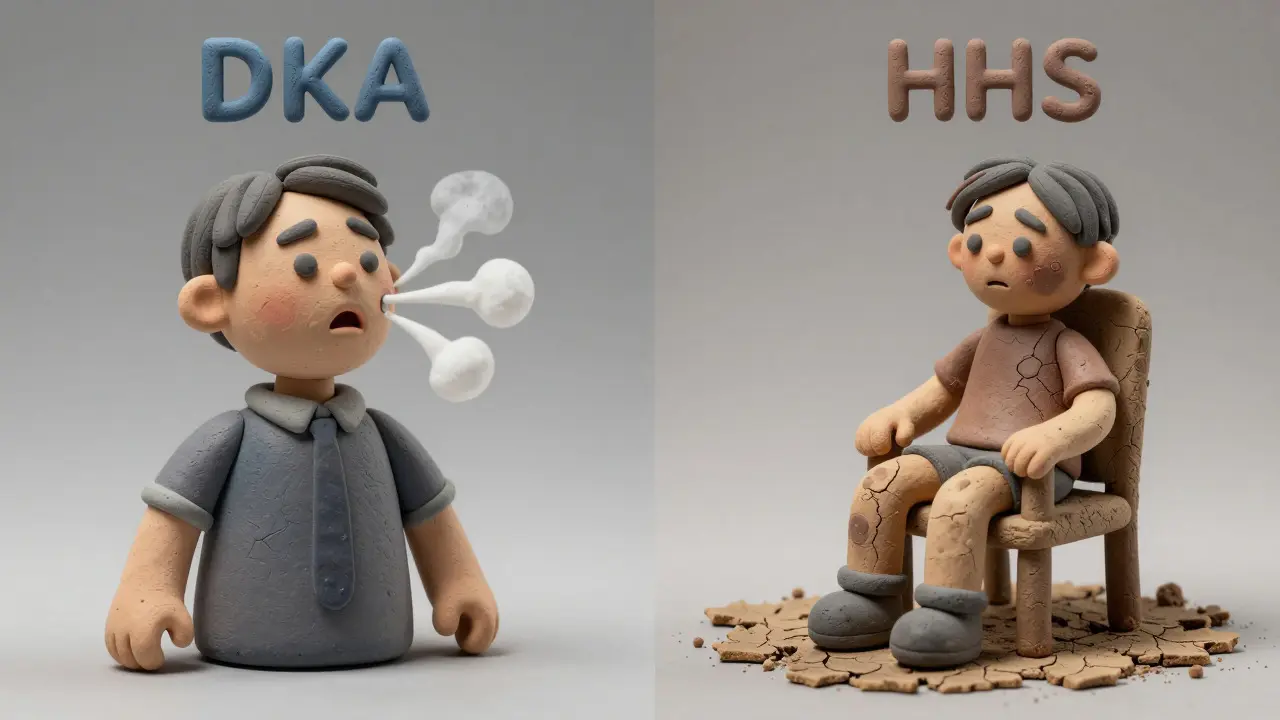
When hyperglycemia becomes dangerous, it typically manifests as one of two conditions: Diabetic Ketoacidosis (DKA) or Hyperosmolar Hyperglycemic State (HHS). Knowing the difference is crucial because their treatments and risks vary significantly.
| Feature | Diabetic Ketoacidosis (DKA) | Hyperosmolar Hyperglycemic State (HHS) |
|---|---|---|
| Primary Affected Group | Type 1 Diabetes (80% of cases) | Type 2 Diabetes (90% of cases) |
| Blood Glucose Level | >250 mg/dL | >600 mg/dL |
| Onset Speed | Rapid (24-48 hours) | Insidious (Days to Weeks) |
| Ketone Levels | High (>3 mmol/L) | Low or Absent |
| Key Symptoms | Fruity breath, Kussmaul breathing, abdominal pain | Extreme dehydration, altered mental status, focal deficits |
| Mortality Rate | 2-5% in adults | 15-20% in adults |
DKA is characterized by the presence of ketones, acidic waste products formed when the body burns fat for energy. You might notice a distinctive fruity or acetone smell on the breath. Breathing becomes deep and rapid (Kussmaul respirations) as the body tries to blow off acid. HHS, on the other hand, involves extreme dehydration without significant ketosis. It progresses slowly, often leading to confusion, lethargy, and eventually coma if untreated. Elderly patients face a higher mortality risk with HHS, making early recognition vital.
Immediate Emergency Management Steps
If your blood glucose reads above 240 mg/dL, don’t panic, but act systematically. First, check for ketones using urine strips or a blood ketone meter. If ketones are moderate or large, suspect DKA. Start drinking sugar-free fluids immediately-aim for 8 to 16 ounces every hour to combat dehydration. Next, administer rapid-acting insulin according to your personal correction factor. For many, this is 0.1 units per kilogram of body weight, but always follow your doctor’s specific ratio. Monitor your glucose every 4 hours during the episode. If you feel nauseous, have trouble breathing deeply, or your mental state changes, seek emergency medical attention. Do not drive yourself if you feel confused or lethargic.
In a hospital setting, treatment involves IV fluids to restore volume, IV insulin drips to lower glucose gradually, and electrolyte replacement, particularly potassium. The goal is not to drop sugar too fast, which can cause brain swelling, but to stabilize the patient safely over 24 to 48 hours.
Prevention Strategies and Modern Tools
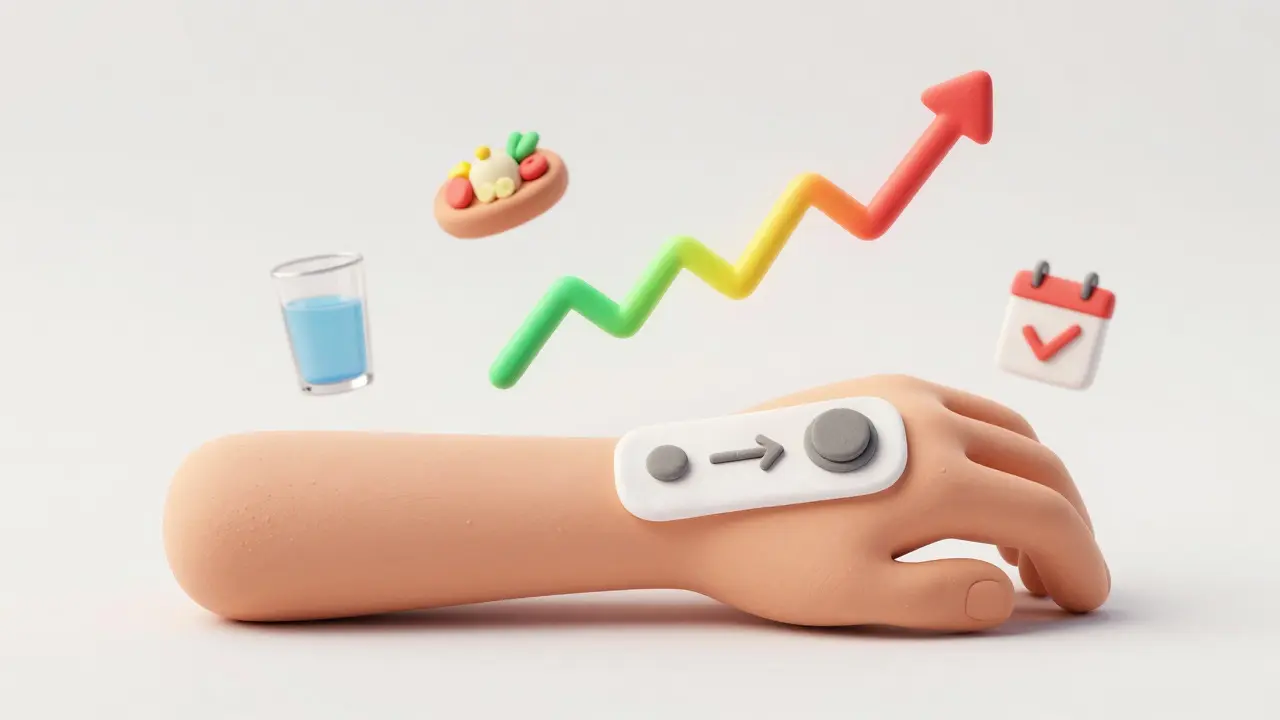
Preventing hyperglycemia is far easier than managing an emergency. Structured monitoring plays a huge role here. Continuous Glucose Monitors (CGMs) have revolutionized care by providing real-time data and trend arrows. Studies show CGM users reduce severe hyperglycemia episodes by 57% compared to traditional fingerstick testing. These devices alert you when glucose is rising, giving you time to eat protein or take corrective action before levels peak.
Lifestyle factors also matter. Illness is the top trigger for spikes, accounting for 42% of severe cases. During infections, stress hormones raise blood sugar, so “sick day rules” are essential: keep eating carbohydrates even if appetite is low, stay hydrated, and monitor more frequently. Emotional stress and carb-counting errors are other common culprits. Using smartphone apps integrated with CGMs can cut response times significantly, helping you make informed decisions quickly. Regular check-ups with your endocrinologist ensure your insulin doses match your current activity level and health status, preventing the drift that leads to chronic high readings.
Frequently Asked Questions
What is the normal range for blood sugar?
For most non-diabetic adults, fasting blood sugar should be below 100 mg/dL, and post-meal levels should stay under 140 mg/dL. For people with diabetes, targets vary, but generally, fasting levels between 80-130 mg/dL and post-meal levels under 180 mg/dL are considered well-controlled.
Can high blood sugar be reversed without medication?
In early-stage Type 2 diabetes, lifestyle changes like weight loss, exercise, and dietary adjustments can sometimes normalize blood sugar levels. However, once beta-cell function declines significantly, medication or insulin is usually required to maintain control. Consult your healthcare provider before stopping any prescribed treatment.
How do I know if I have DKA?
Signs of DKA include very high blood sugar (over 250 mg/dL), positive ketones in urine or blood, fruity-smelling breath, nausea, vomiting, and deep, rapid breathing. If you experience these symptoms, seek medical help immediately as DKA is a medical emergency.
Why does my blood sugar go up at night?
This could be due to the dawn phenomenon, a natural surge of hormones like cortisol between 4 AM and 8 AM that raises blood sugar. It can also result from insufficient basal insulin or late-night snacking. Monitoring overnight trends with a CGM can help identify the pattern.
Is dehydration dangerous during hyperglycemia?
Yes, dehydration is a primary driver of worsening hyperglycemia. As glucose pulls water out of cells into the bloodstream, frequent urination removes that water, leading to severe fluid deficit. This thickens the blood, making it harder for insulin to work effectively and increasing the risk of kidney failure and shock.
Menu