
Online Pharmacy Safety Checker
Safety Checklist
Click each item that applies to the website you are evaluating.
Ready to Check
Select the features present on the website you are reviewing, then click Evaluate.
You trust the pill in your hand. You expect it to cure an infection, lower your blood pressure, or manage chronic pain. But what if that pill is just chalk, sugar, or worse-laced with fentanyl? The crisis of counterfeit medications isn't a distant threat; it’s happening right now, often through the very screens we use to shop for groceries. In 2025 alone, global law enforcement seized over 50 million doses of fake medicines, yet millions more slip through the cracks every day.
We are living in an era where criminal networks operate with industrial precision. They don’t just print labels; they replicate holograms, use advanced manufacturing, and exploit our desperation for affordable care. If you’ve ever bought medicine online without seeing a pharmacist, or noticed a pill that looked slightly different from the last box, you might already be at risk. This guide cuts through the noise to show you exactly how to identify these dangerous fakes and protect yourself and your family.
The Hidden Scale of the Counterfeit Drug Crisis
It’s hard to wrap your head around the sheer volume of fake drugs circulating globally. The World Health Organization (WHO) estimates that nearly $83 billion worth of counterfeit drugs are sold annually. That’s not a typo. While only about 1% of drugs in the United States are estimated to be counterfeit due to strict supply chain laws, the number jumps to over 30% in some regions like parts of Africa and Asia.
In 2024, the Pharmaceutical Security Institute (PSI) recorded over 6,400 incidents of pharmaceutical counterfeiting across 136 countries. These aren’t just random street scams. They are organized operations targeting high-demand products. Oncology drugs, biologics, antibiotics, and pain relievers are prime targets because they are expensive and people need them urgently. When you’re desperate for relief, you’re less likely to scrutinize the source.
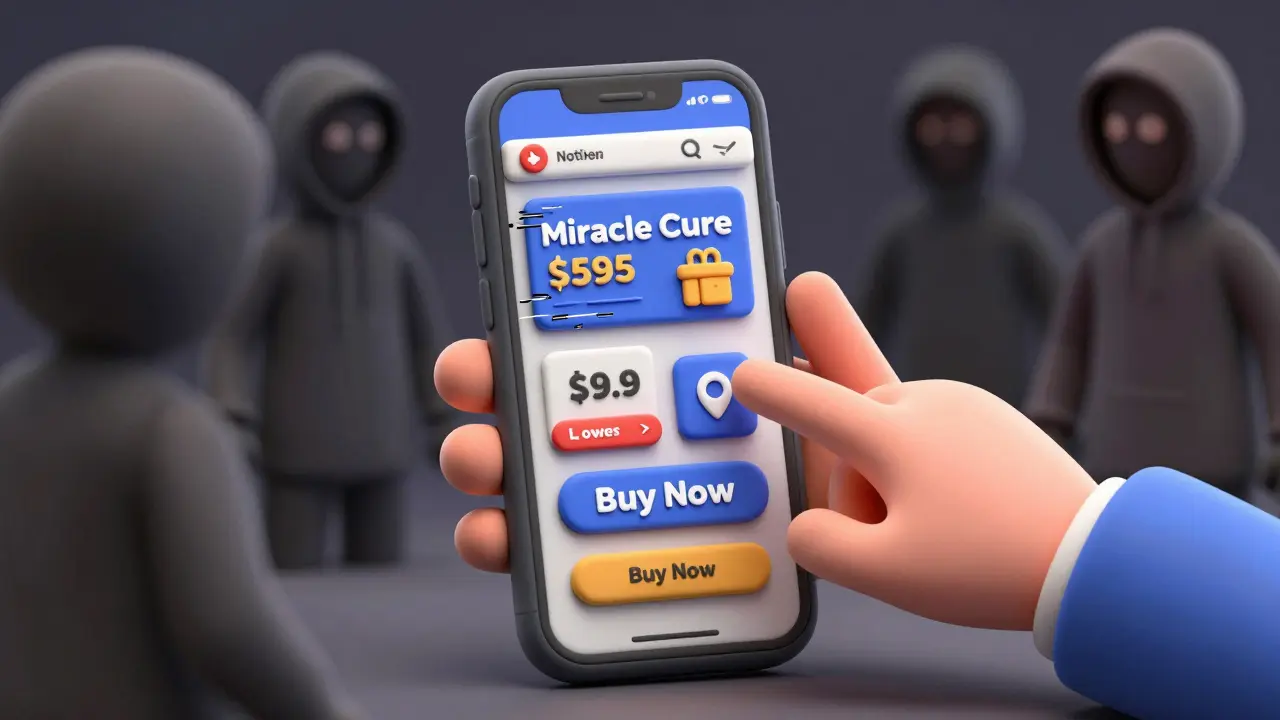
The internet has become the primary distribution channel. According to the U.S. Food and Drug Administration (FDA), 85% of drugs sold by websites claiming to be 'Canadian' pharmacies actually originate from other countries with lax regulations. In fact, 97% of websites selling prescription drugs operate illegally. If you see a site offering a 'miracle cure' or deep discounts on brand-name meds without a prescription, run. It’s almost certainly a trap.
How Criminals Are Getting Smarter
Gone are the days when fake pills were easily spotted by poor printing or wrong colors. Today’s counterfeiters are sophisticated. Dr. Margaret A. Hamburg, former FDA Commissioner, noted in a 2025 report that criminal networks now employ advanced manufacturing techniques. They can replicate complex packaging, including holograms and serialization features that were once thought to be foolproof.
The danger lies in the composition. Fake drugs fall into three deadly categories:
- Insufficient Active Ingredients: The pill looks real but contains too little of the medicine to work. For example, a study found that 52.8% of counterfeit medicines in legitimate supply chains had insufficient active ingredients. This means your infection doesn’t clear, leading to resistance and longer illness.
- No Active Ingredients: Just fillers like starch, chalk, or sugar. You pay for nothing while your condition worsens.
- Toxic Substances: This is the most lethal category. Counterfeit painkillers often contain fentanyl. The DEA reported that 7 out of 10 seized fake pills in 2024 contained potentially lethal doses of fentanyl. Other fakes have been found with arsenic, lead, or rat poison.
Criminal groups are also using cryptocurrency and encrypted messaging apps to coordinate, making them harder to track. Interpol’s Operation Pangea XVI in 2025 involved 90 countries and resulted in 769 arrests, but the underground market remains resilient.
Red Flags: How to Spot a Fake Pill or Package
You don’t need a lab coat to spot suspicious signs. Your eyes, nose, and hands are powerful tools. Here is what to look for when you receive a new medication:
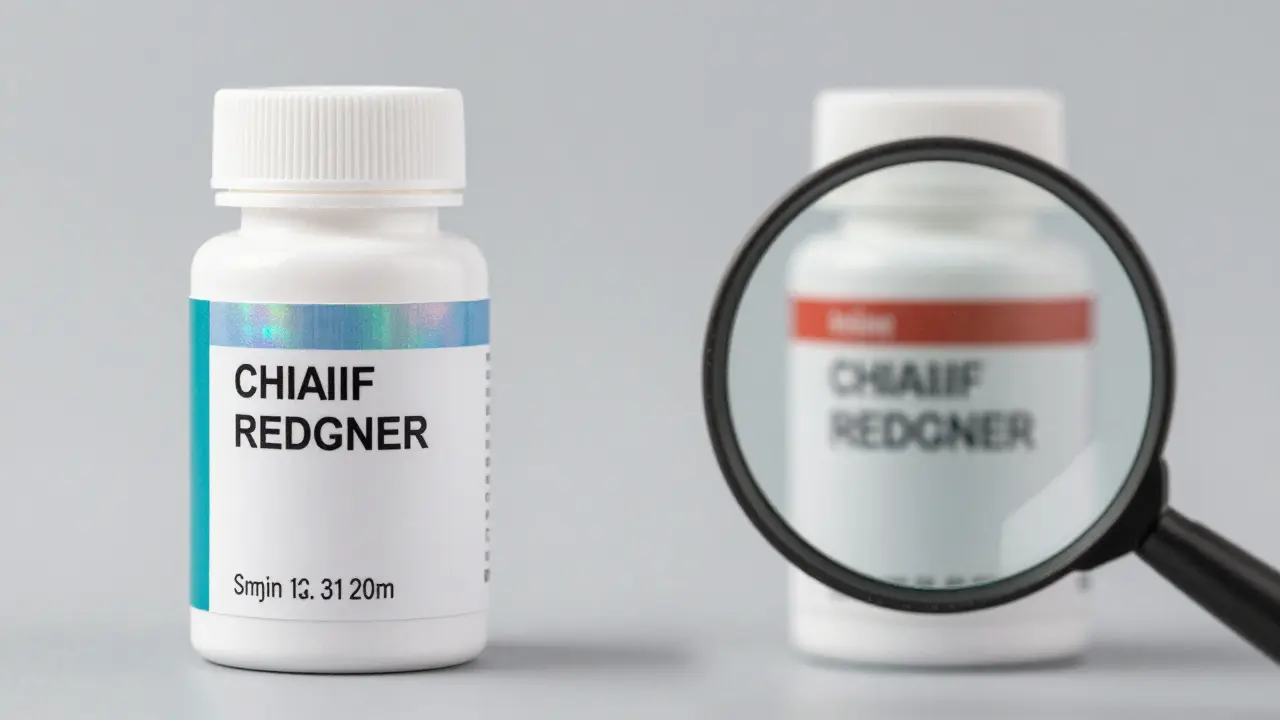
- Packaging Imperfections: Genuine pharmaceutical companies invest heavily in quality control. Look for spelling errors, blurry text, or misaligned logos. Check if the expiration date is printed clearly or if it looks stamped poorly. Tamper-evident seals should be intact. If the box feels flimsy or the foil inside is easy to tear, be wary.
- Pill Appearance: Compare the pill to previous batches. Is the color slightly off? Is the shape irregular? Do the markings on the pill match the manufacturer’s description? Even a slight difference in texture or weight can be a clue. One nurse shared that her family member nearly died from counterfeit insulin because the vial felt lighter than usual-a sign of insufficient liquid.
- Unusual Odor or Taste: Most medications have a neutral or specific medicinal smell. If a pill smells chemical, metallic, or just 'wrong,' do not take it. Some fakes dissolve instantly in water, while genuine time-release tablets do not.
- Price Too Good to Be True: If an online pharmacy offers brand-name drugs at 50-80% off retail price without a valid prescription, it is a scam. Legitimate pharmacies cannot sustain such margins.
Trust your instincts. If something feels off, it probably is. Don’t ignore small details like inconsistent labeling or poor-quality printing, which were cited in 78% of negative reviews on pharmacy platforms.
The Danger of Online Pharmacies
Convenience is the enemy of safety when it comes to buying meds online. A 2025 survey by the National Consumers League found that 62% of consumers who purchased medications online couldn’t verify the pharmacy’s legitimacy. Another 41% admitted to buying from sites that didn’t require prescriptions.
Why is this so risky? Because unverified sources bypass the Drug Supply Chain Security Act (DSCSA), which requires electronic tracing of prescription drugs in the U.S. By November 2025, full electronic tracing was mandated to ensure every pill can be tracked from manufacturer to patient. Websites outside this system are operating in the shadows.
Social media marketplaces are particularly dangerous. Scammers post ads on Facebook, Instagram, or TikTok offering cheap diabetes meds, ADHD treatments, or weight loss drugs. These transactions are irreversible, and there is no recourse if you receive toxic substances. Always avoid purchasing medications from social media influencers or direct message links.
Tools and Techniques for Verification
Technology is fighting back against counterfeits. The global market for counterfeit drug detection devices is projected to reach $2.29 billion by 2030. While you won’t buy a portable spectroscopy device for home use, you can leverage digital tools available to the public.
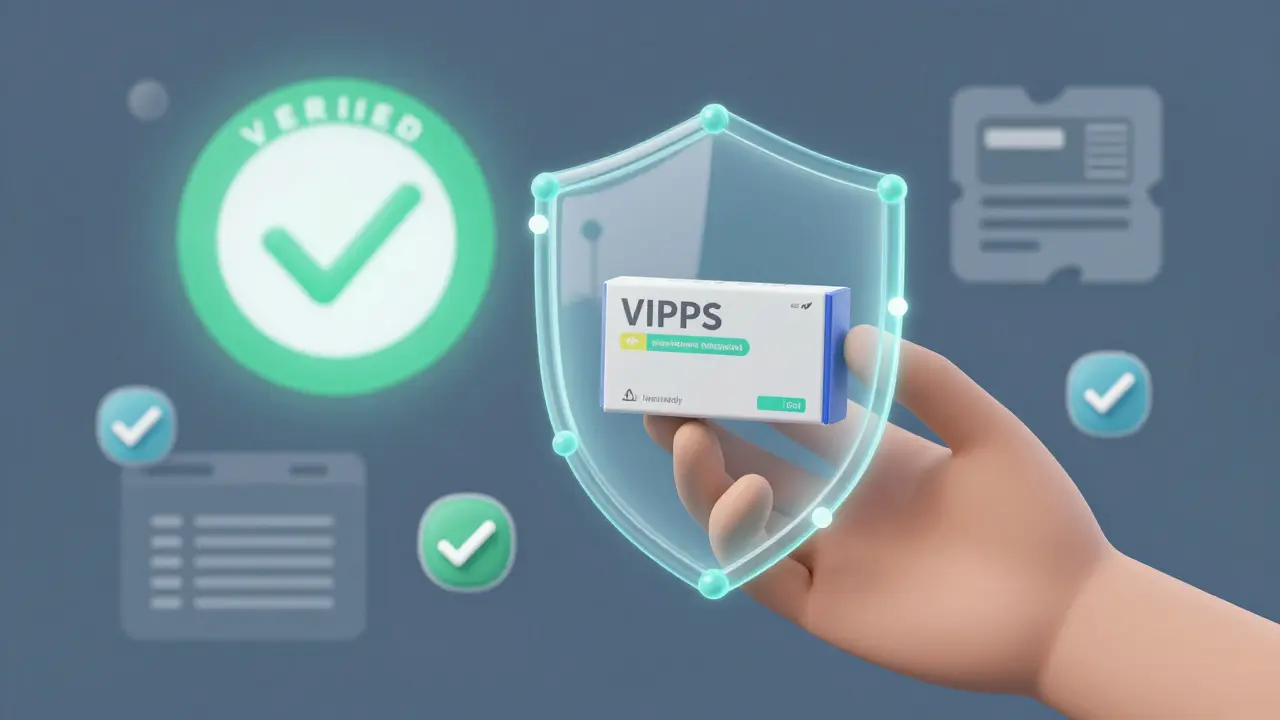
First, check for the VIPPS (Verified Internet Pharmacy Practice Sites) seal. This is awarded by the National Association of Boards of Pharmacy (NABP). Click the seal to verify it links directly to the NABP website, not just an image on the pharmacy’s page. Legitimate U.S. pharmacies must display their physical address and phone number.
Second, use the National Drug Code (NDC). Every prescription drug in the U.S. has a unique 10- or 11-digit code on its package. You can enter this code into the FDA’s database to confirm the product’s identity, manufacturer, and dosage. If the code doesn’t match the drug name or company listed, stop immediately.
Third, consider third-party verification apps. The WHO recommends the MedSafety app for reporting suspicious products. In Europe, the Falsified Medicines Directive requires unique identifiers and anti-tampering devices on packages. Pharmacists scan these codes before dispensing. If your local pharmacy doesn’t scan the code, ask why.
| Feature | Legitimate Pharmacy | Illegitimate Website |
|---|---|---|
| Prescription Requirement | Requires valid prescription from licensed doctor | Sells without prescription or with fake online consultation |
| Contact Information | Physical address and working phone number provided | Only email or chat support; no physical location |
| Pricing | Competitive but realistic prices | Dramatically low prices (50-90% off) |
| Verification Seal | Valid VIPPS seal linked to NABP | Fake seals or no verification |
| Product Range | Standard pharmaceutical inventory | Miracle cures, weight loss, sexual enhancement drugs |
Protecting Yourself: Best Practices for 2026
Safety starts with habit. Make these steps part of your routine whenever you handle medication:
- Buy from Trusted Sources: Use your local brick-and-mortar pharmacy or verified online branches of major chains. Avoid standalone websites you’ve never heard of.
- Inspect Upon Arrival: When you get a refill, open the box and check the pills immediately. Compare them to the previous batch. Take a photo of the packaging for future reference.
- Report Suspicious Products: If you suspect a fake, don’t just throw it away. Report it to the FDA’s MedWatch program or your national health authority. This data helps authorities shut down criminal rings.
- Educate Family Members: Elderly relatives are often targeted because they may have memory issues or difficulty navigating digital verification tools. Help them set up automatic refills from trusted pharmacies.
- Avoid Peer-to-Peer Sales: Never buy leftover meds from friends or neighbors. You have no way to know how they were stored or if they are authentic.
The cost of prevention is far lower than the cost of treatment. A single dose of a counterfeit opioid can be fatal. A batch of fake antibiotics can turn a simple infection into a life-threatening superbug.
The Future of Drug Safety
As criminals adopt 3D printing to create convincing packaging, regulators are pushing for blockchain-based tracking systems. The goal is end-to-end transparency, where every step of a drug’s journey is recorded on an immutable ledger. However, technology alone isn’t enough. Consumer vigilance remains the final line of defense.
Global cooperation is improving. Interpol’s continued Operation Pangea raids show that international police forces are cracking down on digital pharmacies. But until the demand for cheap, unregulated meds drops, the supply will persist. By staying informed and skeptical, you remove the profit motive from your own healthcare decisions.
What are the most common types of counterfeit medications?
The most frequently counterfeited drugs include oncology (cancer) treatments, biologics, antibiotics, pain relievers (especially opioids), antimalarials, and erectile dysfunction medications. These are targeted because they are high-cost, high-demand, and often used for conditions where patients seek quick, discreet solutions.
Can I trust online pharmacies that require a prescription?
Not necessarily. Many illegal sites offer fake online consultations to issue prescriptions. Always verify if the pharmacy is licensed in your state or country and check for the VIPPS seal via the National Association of Boards of Pharmacy (NABP). Legitimate pharmacies will always have a verifiable physical address and pharmacist contact.
How do I check if my medication is genuine?
Check the National Drug Code (NDC) on the package against the FDA database. Inspect the packaging for spelling errors, tamper-evident seals, and proper expiration dates. Compare the pill’s color, shape, and markings to previous batches. If anything seems off, consult your pharmacist before taking it.
What should I do if I think I’ve taken a counterfeit drug?
Seek medical attention immediately, especially if you experience unexpected side effects, lack of efficacy, or severe reactions. Save the remaining medication and packaging as evidence. Report the incident to the FDA MedWatch program or your local health authority to help prevent others from being harmed.
Are counterfeit drugs more common in certain countries?
Yes. While the U.S. maintains a low rate (under 1%) due to strict supply chain laws, regions with weaker regulatory oversight face much higher risks. The WHO estimates that up to 30% of medicines in some parts of Africa and Asia are substandard or falsified. Emerging markets are increasingly targeted by sophisticated criminal networks.
Menu