
Combination Therapy vs. Monotherapy Calculator
Compare treatment outcomes between high-dose single medications and low-dose combination therapy based on your condition.
High-Dose Monotherapy
Low-Dose Combination Therapy
Based on clinical data from JAMA Network Open (2023), Nature Reviews Drug Discovery (2024), and American Heart Association surveys. Individual results may vary. Consult your healthcare provider for personalized medical advice.
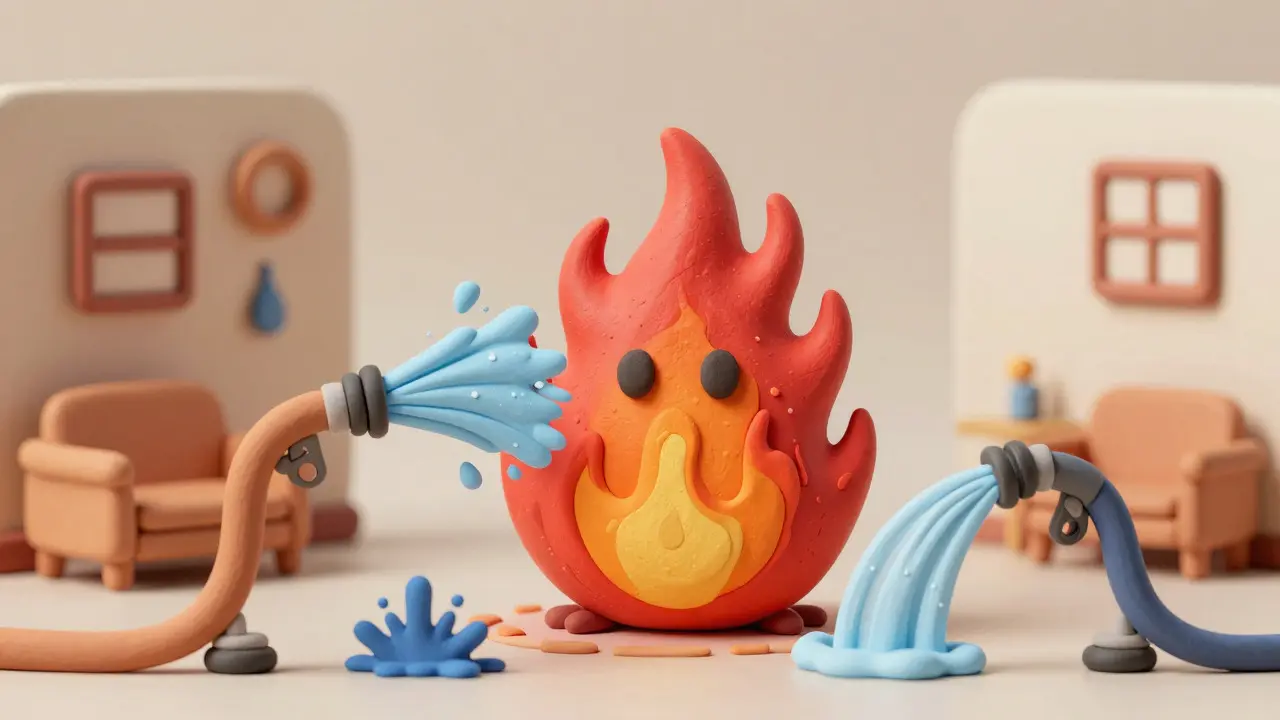
Imagine you are trying to put out a fire. You could blast it with one massive hose at full pressure, risking damage to the surrounding furniture and walls. Or, you could use two smaller hoses aimed from different angles, keeping the water flow gentle but effective. This is the core logic behind combination therapy, which is the simultaneous administration of two or more pharmacological agents at lower individual doses than would be used in monotherapy. It sounds simple, but for decades, doctors stuck to the old way: picking one drug and cranking up the dose until it worked or caused too many side effects.
We know now that this "maximal monotherapy" approach often fails. Patients get better control of their condition, yes, but they also suffer from dizziness, swelling, nausea, or worse. The medical world has shifted. Today, using lower doses of multiple medications is not just an option; it is the gold standard for managing chronic conditions like hypertension, diabetes, and even cancer. Here is why this strategy works, how it protects your body, and what you need to watch out for.
The Science Behind Smaller Doses
Why does splitting the dose work? It comes down to biology. Every drug has a "ceiling" for effectiveness and a threshold for toxicity. When you push a single drug past its ceiling, you don’t get much extra benefit, but you definitely hit the toxicity wall. By combining drugs that attack the problem from different angles-known as complementary mechanisms of action-you stay below those dangerous thresholds for each individual pill.
Consider blood pressure. High blood pressure isn't just one thing; it involves stiff arteries, fluid retention, and nervous system signals. An ACE inhibitor relaxes blood vessels. A calcium channel blocker stops muscles from tightening. If you take half the normal dose of both, you tackle both problems without overwhelming your kidneys or causing the severe cough associated with high-dose ACE inhibitors. Research published in Nature Reviews Drug Discovery in 2024 analyzed 237 clinical trials and found that this strategic dose reduction achieves 28-42% greater therapeutic efficacy while cutting dose-dependent adverse events by 19-33%. That is a massive win for patient safety.
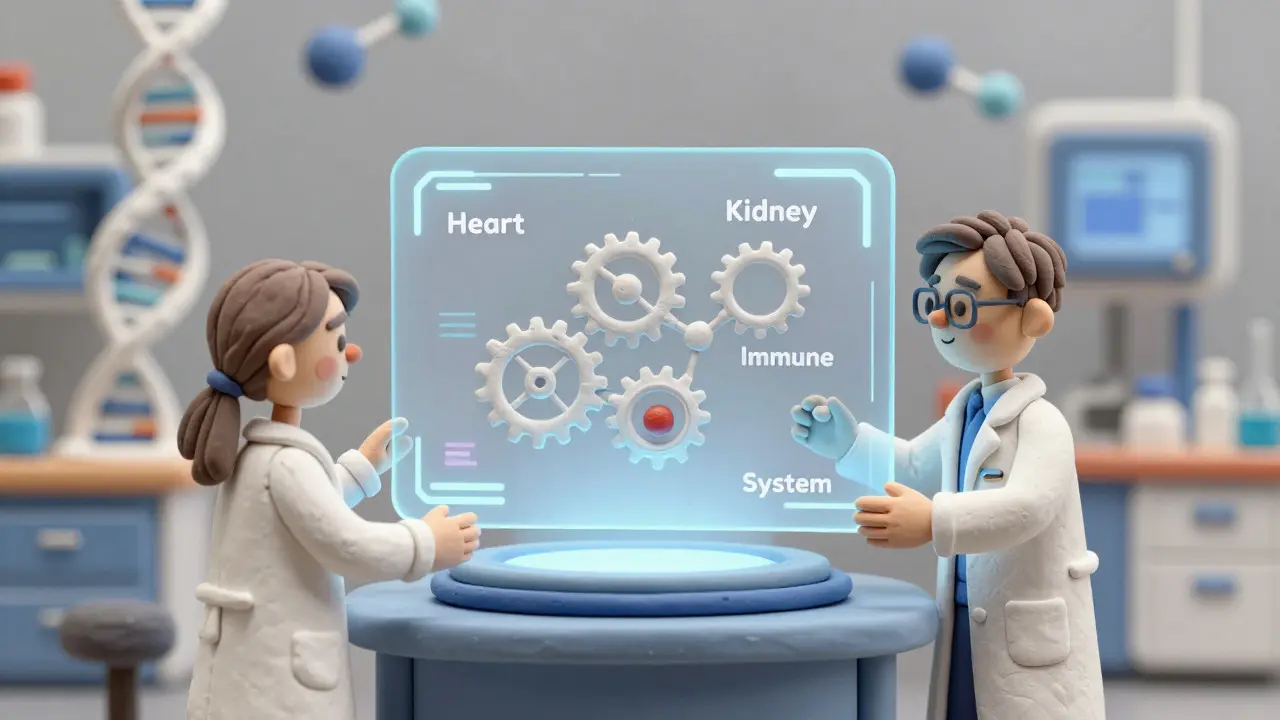
This principle applies across the board. In diabetes, combining metformin with an SGLT2 inhibitor at moderate doses reduces blood sugar effectively while slashing gastrointestinal issues. In oncology, using two chemotherapy agents at reduced doses can kill cancer cells through different pathways, preventing them from developing resistance, all while sparing your heart and immune system from the brutal toll of high-dose single-agent chemo.
Real-World Impact: Hypertension and Diabetes
Let’s look at the numbers because they tell a clear story. For patients with high blood pressure, time is tissue. Every day your pressure stays high, your organs take a hit. A 2023 study in JAMA Network Open followed over 15,000 patients. Those who started on combination therapy reached their target blood pressure in just 63 days. Those who started with a single drug and waited to add another if needed took 117 days. That is nearly double the time spent unprotected.
More importantly, the combination group had a 34% lower risk of cardiovascular events. Why? Because they weren't waiting around. They were protected sooner, and they stayed protected because the side effects were manageable enough to keep taking the meds. Dr. Norman Kaplan, a pioneer in this field, called combination therapy the only strategy that simultaneously improves efficacy, safety, and adherence. He was right. When you don't feel sick from your medicine, you actually take it.
Diabetes offers a similar picture. The American Diabetes Association updated its guidelines in 2023 to strongly recommend early combination therapy for many patients. Why wait for one drug to fail? Data shows that monotherapy fails to maintain targets in 59% of patients within three years. By starting with a low-dose combo, such as metformin plus a small dose of a newer agent, doctors can keep HbA1c levels stable for longer. The EMPA-REG OUTCOME trial showed that adding empagliflozin to metformin reduced HbA1c significantly with far fewer stomach upset reports compared to doubling the metformin dose.
The Pill Burden Problem
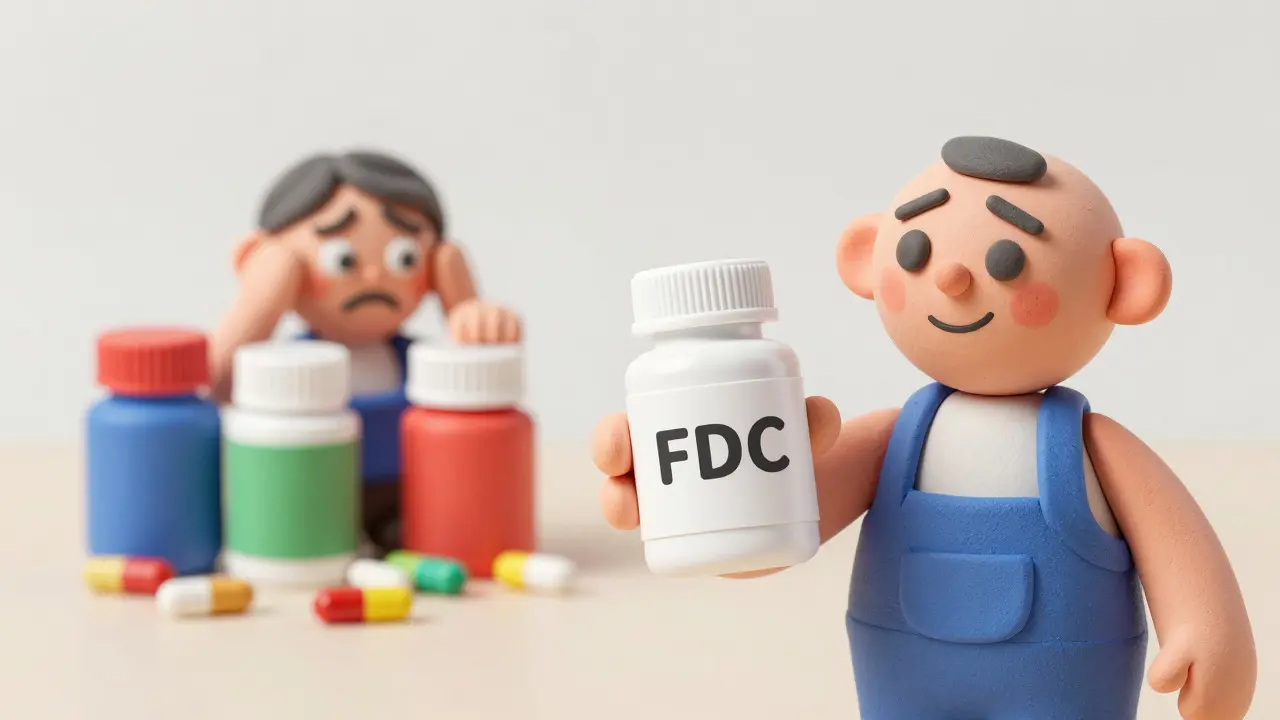
If combination therapy is so good, why isn't everyone doing it perfectly? The biggest hurdle is the "pill burden." No one wants to swallow five different pills every morning. It’s confusing, expensive, and easy to forget. This is where fixed-dose combinations (FDCs), which are single pills containing two or more active pharmaceutical ingredients in specific ratios, come into play.
An FDC takes those separate low-dose medications and combines them into one tablet. A 2023 survey by the American Heart Association found that 68% of patients adhered to their regimen when using a single-pill combination, compared to only 52% when taking multiple separate pills. Patients simply reported it was "easier to remember." One patient in the ACC’s case studies shared that after switching to a telmisartan/amlodipine FDC, he finally achieved target blood pressure without the ankle swelling that plagued him for years. He said, "For the first time in 10 years, I don't have dizziness or ankle swelling."
However, FDCs aren't a magic bullet for everyone. Some patients still struggle with the idea of taking "more" medications, even if they are combined. A 2024 community survey noted that 31% of diabetics discontinued combination therapy within a year due to concerns about "too many medications." Doctors must balance the clinical benefits with the patient's psychological comfort and daily routine.
| Metric | High-Dose Monotherapy | Low-Dose Combination Therapy |
|---|---|---|
| Time to Target Control | Slower (e.g., 117 days for BP) | Faster (e.g., 63 days for BP) |
| Side Effect Profile | Higher incidence of dose-dependent toxicity | 19-33% lower incidence of adverse events |
| Adherence Rates | Variable, often drops with titration | Higher with Fixed-Dose Combinations (68%) |
| Cost (Annual) | $2,864 (avg.) | $4,217 (avg.), but offset by lower complication costs |
Risks and Who Should Be Careful
Combination therapy is powerful, but it is not risk-free. The main danger lies in drug-drug interactions and organ stress, particularly in older adults or those with existing kidney or liver issues. A 2022 study in the New England Journal of Medicine warned that triple-combination therapy increased the risk of acute kidney injury by 1.8-fold in patients over 75 with reduced kidney function. If your kidneys are already struggling, filtering multiple drugs-even at low doses-can be a heavy load.
Also, not all combinations create synergy. Dr. Adam Palmer from Harvard Medical School cautioned that in cancer treatment, 38% of FDA-approved drug combinations show no synergistic interaction. In these cases, patients experience compounded toxicity without proportional benefit. It is essentially "bet hedging" by the medical system. This highlights the importance of personalized medicine. Your doctor needs to choose combinations based on proven synergies, not just throw drugs together hoping something sticks.
Another practical issue is cost. While combination therapies cost more upfront ($4,217 annually vs. $2,864 for monotherapy, according to IQVIA), they save money in the long run by preventing hospitalizations and complications. However, for uninsured patients, that initial price tag can be a barrier. About 37% of uninsured patients abandon combination regimens at the pharmacy due to cost. Always talk to your pharmacist about generic FDC options or patient assistance programs.
How to Manage Your Combination Therapy
If your doctor prescribes a combination regimen, here is how to make it work safely:
- Ask for an FDC: If you are prescribed two separate pills, ask if a single-pill combination exists. It simplifies your routine and boosts adherence.
- Monitor Early: The first 4-6 weeks are critical. Keep a log of your blood pressure, blood sugar, or other relevant metrics. Report any new symptoms immediately.
- Check Interactions: Bring a complete list of all supplements and over-the-counter drugs to your appointment. Even herbal remedies can interact with prescription combos.
- Use Technology: Set phone alarms or use a smart pillbox. Forgetting one component of a combination can reduce efficacy significantly.
- Review Regularly: Don’t assume your dosage is forever. As your health changes, your combination might need adjusting. Quarterly check-ins are standard for diabetes; biweekly monitoring is common for new hypertension treatments.
The Future of Multi-Drug Approaches
We are moving toward even smarter combinations. The POLYDELPHI trial, currently enrolling 15,000 participants, is testing whether a five-drug combination at ultra-low doses (20-30% of standard) can achieve a 70% reduction in cardiovascular risk. Meanwhile, researchers at Harvard are proposing "response-adaptive combination sequencing," which aims to reduce unnecessary drug exposure by 40% while maintaining efficacy. By 2030, experts predict that over 60% of new drug approvals will be combination therapies.
The goal is clear: maximize health outcomes while minimizing harm. Combination therapy allows us to do exactly that. It respects the complexity of human biology by attacking disease from multiple fronts gently rather than blasting it with brute force. If you are managing a chronic condition, ask your doctor if a low-dose combination approach is right for you. Your body-and your quality of life-might thank you.
What is the difference between combination therapy and polypharmacy?
Polypharmacy generally refers to taking many medications, often indiscriminately, which can lead to confusion and interactions. Combination therapy is a deliberate, evidence-based strategy using two or more drugs at lower doses to achieve a specific therapeutic goal with fewer side effects. It is targeted and synergistic, whereas polypharmacy is often cumulative and uncoordinated.
Are fixed-dose combinations (FDCs) always better than separate pills?
FDCs improve adherence because they are easier to remember, but they lack flexibility. If you need to adjust the dose of one medication but not the other, an FDC makes that difficult. Separate pills allow for precise titration of each component, which is useful during the initial adjustment phase or for patients with complex metabolic needs.
Can combination therapy cause more side effects?
In theory, yes, because you are introducing more substances. However, in practice, combination therapy usually causes fewer side effects than high-dose monotherapy. This is because each drug is kept below its individual toxicity threshold. Exceptions exist for patients with compromised kidney or liver function, where the cumulative load can be risky.
Is combination therapy covered by insurance?
Coverage varies by plan and region. While FDCs may have a higher copay than generic single drugs, many insurers recognize their value in reducing hospital visits. Generic FDCs are widely available and affordable. Always check with your pharmacist or insurer about formulary tiers and patient assistance programs if cost is a concern.
When should I start combination therapy instead of waiting?
Guidelines suggest starting combination therapy immediately if your condition is moderately to severely elevated above target. For example, if your blood pressure is significantly high or your HbA1c is well above 7.5%, waiting for a single drug to work can leave your organs unprotected for months. Early combination therapy gets you to safety faster.
Menu