

It happens to the best of us. You’re in the middle of a night feed, your head is pounding from a migraine, or you’re sneezing through seasonal allergies that just won’t quit. The instinct is to reach for the medicine cabinet. But then comes the hesitation. Is it safe? Will it hurt the baby? For nursing mothers, medication anxiety is real and often unnecessary.
The short answer is that many common antihistamines and pain relievers are perfectly compatible with breastfeeding. However, not all drugs are created equal. Some pass into breast milk in negligible amounts, while others can make your baby drowsy or affect their feeding patterns. Knowing which ones to pick-and which to avoid-can mean the difference between getting relief and dealing with side effects.
Understanding How Medications Enter Breast Milk
Before diving into specific drugs, it helps to understand why some medications are safer than others. It isn't magic; it's chemistry. When you take a pill, it enters your bloodstream. From there, it can pass into your breast milk. The amount that gets through depends on several factors.
First, look at protein binding. Drugs that bind tightly to proteins in your blood have less "free" drug available to leak into milk. Second, consider the molecular weight. Larger molecules struggle to cross into milk compared to smaller ones. Third, check the half-life, which is how long the drug stays in your system. Shorter half-lives mean the drug clears out faster, reducing the baby's exposure.
This is where the Hale Lactation Risk Categories come in. Developed by Dr. Thomas Hale, this system rates medications from L1 (safest) to L5 (contraindicated). Most modern, second-generation allergy meds and standard painkillers fall into the L1 or L2 categories, meaning they are considered safe for use during lactation.
Safe Antihistamines for Allergy Relief
Allergies don't stop because you're breastfeeding. In fact, hormonal changes can sometimes make symptoms worse. The key is choosing the right generation of antihistamine.
Second-Generation Antihistamines: The Gold Standard
These are your best friends. They are non-sedating, have high protein binding, and transfer to breast milk in tiny amounts. According to data from LactMed, these options are widely recommended by health authorities like the American Academy of Family Physicians (AAFP).
- Loratadine (Claritin): This is an L1 rated drug. It transfers to breast milk at only about 0.04% of the maternal dose. Studies show no adverse effects in infants.
- Cetirizine (Zyrtec): Also highly regarded. While slightly more sedating than loratadine for some people, it remains very safe for the baby. It is often the go-to choice for persistent allergies.
- Fexofenadine (Allegra): This has one of the lowest transfer rates, at roughly 0.02% of the maternal dose. It is extremely unlikely to cause any issues for your baby.
First-Generation Antihistamines: Use with Caution
You might be tempted to grab Diphenhydramine (Benadryl) because it’s cheap and effective. But here’s the catch: first-generation antihistamines are highly lipid-soluble and cross the blood-brain barrier easily. This means they can cause significant drowsiness in both you and your baby.
While occasional use is generally okay, regular use can lead to problems. Babies may become overly sleepy, miss feeds, or even experience failure to thrive if their intake drops too low. Additionally, these drugs have anticholinergic properties that can reduce milk supply in some mothers. If you must use them, do so sparingly and monitor your baby for unusual sleepiness or poor feeding.
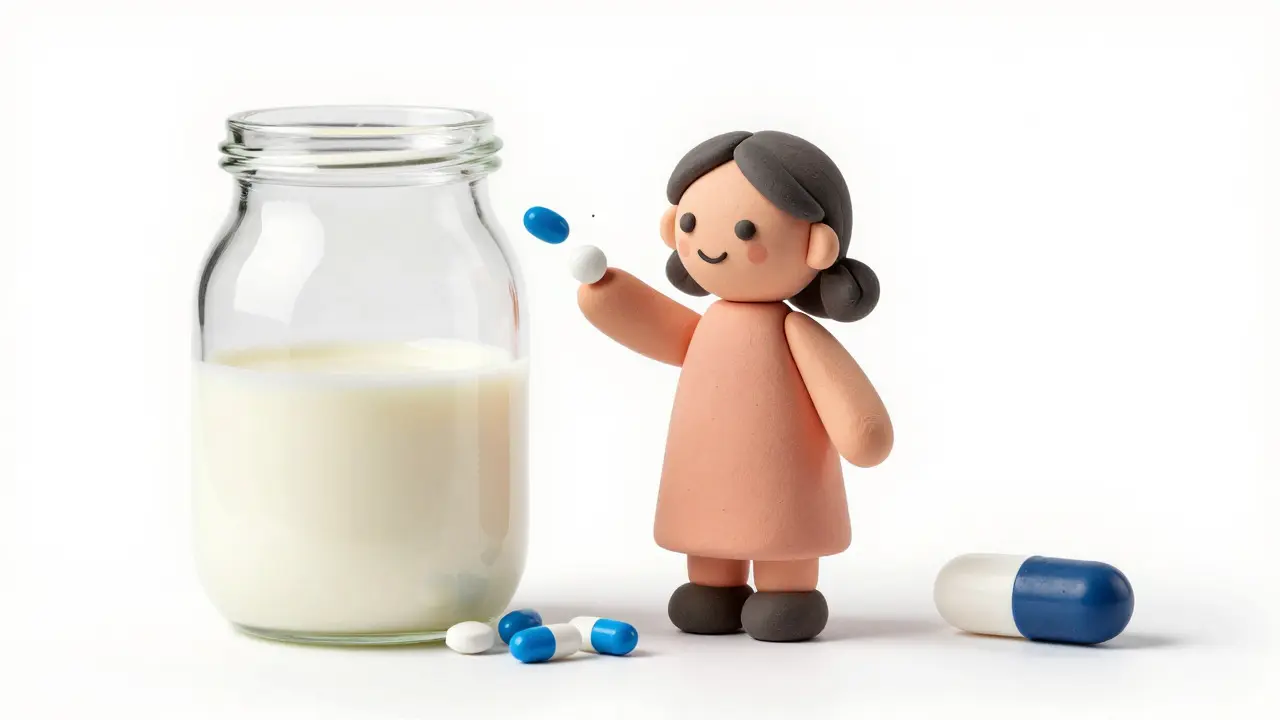
Pain Relievers That Won’t Harm Your Baby
Headaches, toothaches, and postpartum pain are common. You shouldn't have to suffer in silence. Fortunately, the two most common over-the-counter pain relievers are excellent choices for nursing moms.
Acetaminophen (Paracetamol)
Acetaminophen is an L1 rated medication. It passes into breast milk in small amounts (about 1-2% of the maternal dose), but extensive research shows no adverse effects on infants when used at standard doses. It’s safe for headaches, fever, and general body aches.
Ibuprofen
Ibuprofen is another top-tier choice. Because it is highly protein-bound (90%) and has a short half-life (around 2 hours), only a tiny fraction (0.6-0.8%) reaches the baby. It is particularly useful for inflammatory pain, such as sore breasts or muscle strains. The AAFP lists ibuprofen as a preferred analgesic for breastfeeding mothers.
NSAIDs to Avoid or Limit
Not all Non-Steroidal Anti-Inflammatory Drugs (NSAIDs) are created equal. Naproxen, for example, has a much longer half-life (12-17 hours) and higher transfer rate (up to 7%). Long-term use has been linked to reports of bleeding, anemia, and vomiting in breastfed infants. Stick to ibuprofen for inflammation, and save naproxen for times when you aren't nursing, unless directed otherwise by your doctor.
What about stronger pain? Opioids like Codeine and Tramadol require extreme caution. Codeine, in particular, can be metabolized differently in some women (ultra-rapid metabolizers), leading to dangerously high levels in breast milk. These should only be used under strict medical supervision.
| Medication | Type | Hale Rating | Milk Transfer | Safety Verdict |
|---|---|---|---|---|
| Loratadine | Antihistamine (2nd Gen) | L1 | ~0.04% | Safe |
| Cetirizine | Antihistamine (2nd Gen) | L2 | Low | Safe |
| Diphenhydramine | Antihistamine (1st Gen) | L2 | Moderate | Use Sparingly |
| Acetaminophen | Analgesic | L1 | 1-2% | Safe |
| Ibuprofen | NSAID | L1 | 0.6-0.8% | Safe |
| Naproxen | NSAID | L3 | Up to 7% | Avoid Long-Term |

Practical Tips for Taking Meds While Nursing
Even with safe medications, timing and dosage matter. Here are some practical strategies to minimize your baby's exposure further.
Time It Right
If possible, take your medication immediately after a breastfeeding session. This allows time for the peak concentration of the drug in your blood to pass before the next feed. Since most safe meds have short half-lives, the amount present at the next feed will be significantly lower.
Stick to the Lowest Effective Dose
Don't double up. Take only what you need to manage symptoms. If one tablet works, don't take two. This reduces the total load entering your system.
Beware of Combination Products
This is a major pitfall. Many cold and flu remedies contain multiple ingredients. You might buy a "headache and sinus" pill thinking it's just pain relief, only to find it contains pseudoephedrine (which can reduce milk supply) or an antihistamine you didn't plan to take. Always read the label. Look for single-ingredient products whenever possible.
Monitor Your Baby
Every baby is different. Watch for changes in behavior. Are they sleeping more than usual? Are they feeding poorly? Do they seem irritable? If you notice anything unusual, pause the medication and consult your pediatrician or a lactation consultant.
When to Call the Doctor
While OTC meds are usually fine, some situations require professional guidance. If you have kidney or liver impairment, drug metabolism can change, altering safety profiles. Similarly, if your baby was born prematurely or has existing health conditions, their ability to process even small amounts of medication may be compromised.
Also, if your allergies or pain persist despite using these safe options, see your doctor. Chronic symptoms might indicate an underlying issue that needs more targeted treatment, rather than just masking the symptoms with OTC drugs.
Is Claritin safe to take while breastfeeding?
Yes, Loratadine (Claritin) is considered very safe. It is classified as L1 (safest) by Hale Lactation Risk Categories. Only about 0.04% of the maternal dose passes into breast milk, and studies have shown no adverse effects in nursing infants.
Can I take Ibuprofen while nursing?
Yes, Ibuprofen is one of the preferred pain relievers for breastfeeding mothers. It has high protein binding and a short half-life, resulting in very low transfer to breast milk (less than 1%). It is effective for inflammation and pain without harming the baby.
Why is Benadryl not recommended for regular use while nursing?
Diphenhydramine (Benadryl) is a first-generation antihistamine that crosses into breast milk more easily and causes sedation. Regular use can make babies drowsy, leading to poor feeding and potentially reduced milk supply for the mother. It should be used only occasionally if necessary.
Does Acetaminophen pass into breast milk?
Yes, Acetaminophen does pass into breast milk, but in small amounts (approximately 1-2% of the maternal dose). Despite this transfer, it is rated L1 (safest) because decades of use have shown no negative effects on healthy, full-term infants.
Is Naproxen safe for breastfeeding moms?
Naproxen is generally discouraged for long-term use while breastfeeding. It has a longer half-life and higher transfer rate (up to 7%) compared to Ibuprofen. There have been rare reports of gastrointestinal issues in infants, making Ibuprofen the safer NSAID choice.
Menu