
When you take CBD, a compound derived from cannabis that’s used for pain, anxiety, and sleep. Also known as cannabidiol, it's become a popular supplement—but it doesn’t play nice with every medication. One of the most serious risks? Mixing it with warfarin, a blood thinner prescribed to prevent clots in people with atrial fibrillation, deep vein thrombosis, or artificial heart valves. Warfarin has a narrow safety window. Too little, and you risk a stroke. Too much, and you could bleed internally. CBD can push your levels into the danger zone.
Here’s why: CBD blocks the liver enzyme CYP2C9, which is responsible for breaking down warfarin. When that enzyme slows down, warfarin builds up in your blood. Studies show this can raise your INR—a key test that measures how long it takes your blood to clot—by 20% or more. That’s not a small change. It means your blood becomes dangerously thin. People have ended up in the ER with bleeding gums, nosebleeds, black stools, or even brain bleeds after adding CBD to their warfarin regimen. This isn’t theoretical. It’s documented in case reports and clinical guidelines.
Other blood thinners like apixaban or rivaroxaban are less affected by CBD, but warfarin is especially vulnerable because it’s so tightly regulated by the liver. If you’re on warfarin, your doctor checks your INR regularly. But if you start CBD, that INR can swing without warning. No amount of "natural" or "safe" marketing changes that. Even low-dose CBD oils, gummies, or topicals can interfere—your body doesn’t know the difference between the source.
And it’s not just about CBD. Many people don’t realize that other supplements like turmeric, garlic, or ginkgo can also thin the blood. When you layer them with CBD and warfarin, the risk multiplies. You might think you’re being proactive about your health, but you’re actually playing Russian roulette with your circulatory system.
So what do you do? If you’re on warfarin and thinking about trying CBD, talk to your doctor before taking a single drop. Don’t assume they know about CBD—many don’t. Bring your bottle. Ask for an INR test before and after starting. If they say it’s fine, get it in writing. If they say no, listen. There are safer ways to manage pain or anxiety without risking a life-threatening interaction. Your body doesn’t need CBD to survive. But it does need you to be smart about what you put in it.
The articles below dig into real cases, how to spot warning signs, what alternatives exist, and how other medications—like statins, antidepressants, and anti-seizure drugs—also clash with CBD. You’ll find practical advice from providers who’ve seen the damage firsthand. This isn’t about fear. It’s about control. Know the risks. Protect yourself.
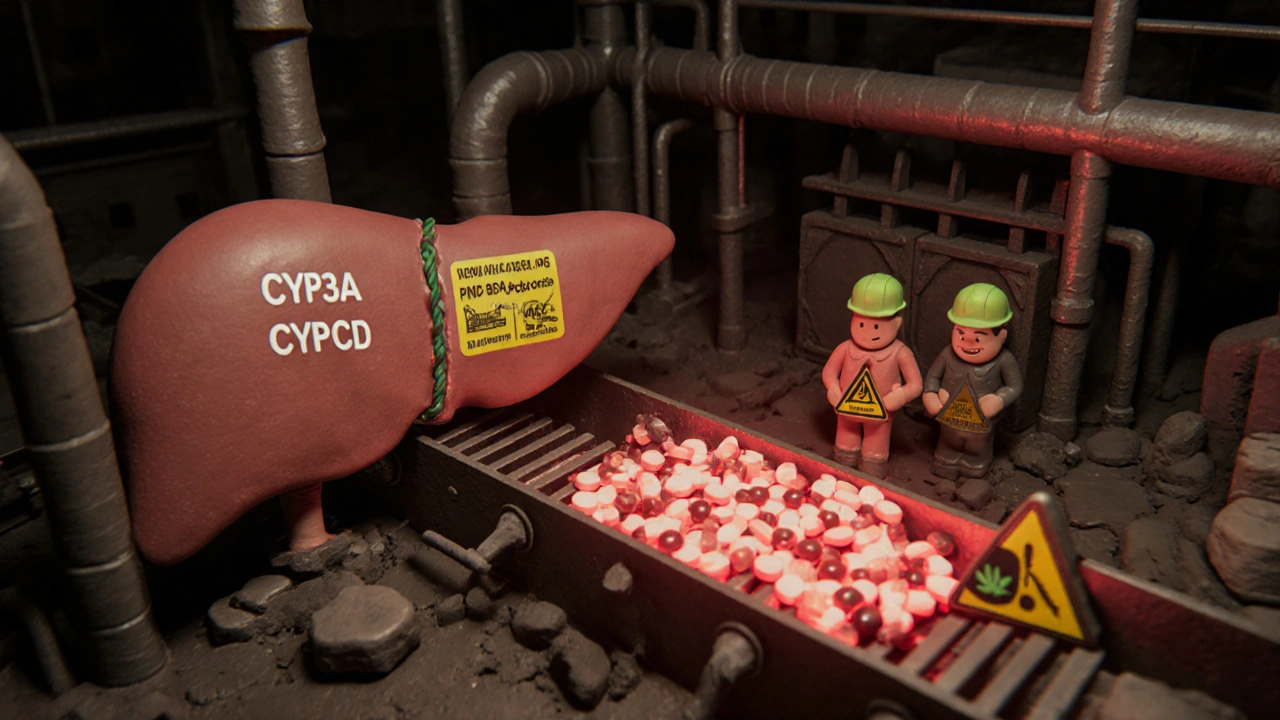
CBD can dangerously interfere with prescription medications by blocking liver enzymes that process drugs like blood thinners, seizure meds, and heart medications. If your pill has a grapefruit warning, CBD is likely unsafe. Learn which drugs are risky and what to do if you're already using both.
Nov 23 2025
© 2026. All rights reserved.
Menu