
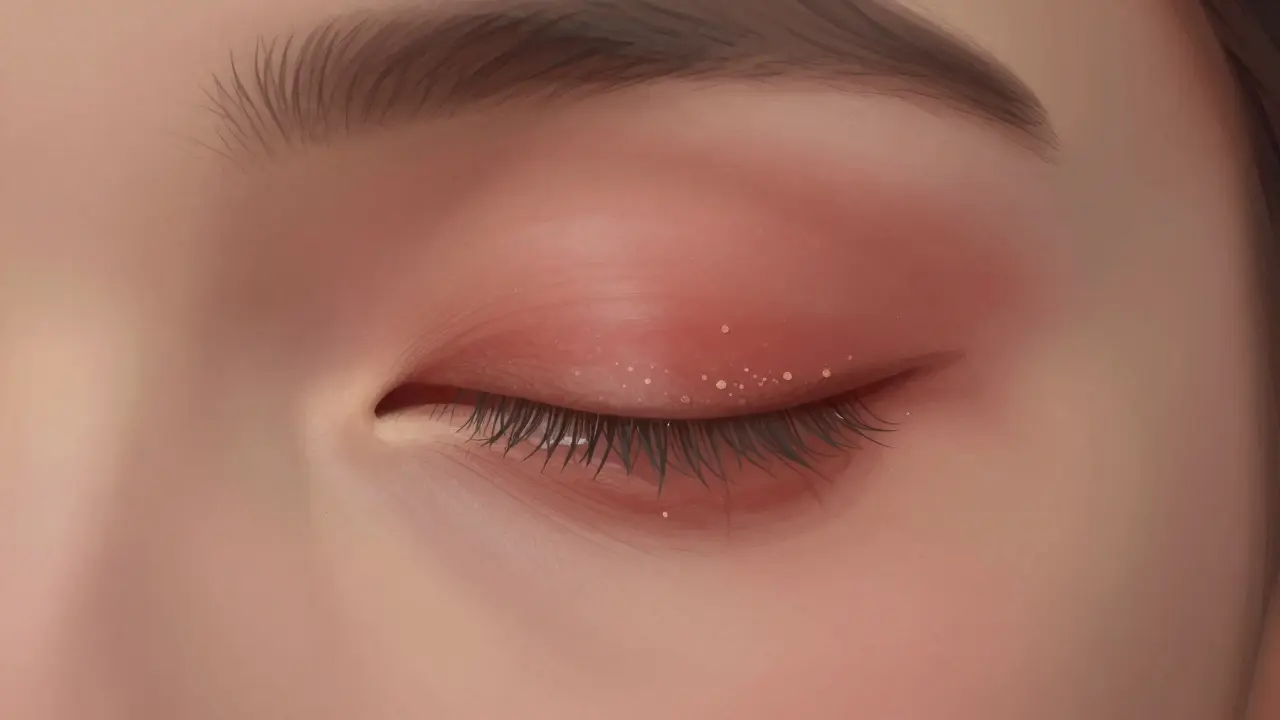
Your eyes feel gritty, like there is sand stuck in them. You wake up with crusty lashes that are glued together. It sounds uncomfortable, and it is. This is likely blepharitis, a chronic inflammation of the eyelid margins. According to the National Eye Institute, nearly half of all patients visiting eye care professionals have this condition. It is not contagious, but it is persistent. The good news? You can manage it effectively at home without expensive procedures or heavy medication. The cornerstone of treatment is simple: warm compress therapy.
What Is Blepharitis?
Blepharitis is not just a minor irritation; it is a specific medical condition affecting the edges of your eyelids. To treat it, you need to understand what is happening under the surface. There are two main types, and knowing which one you have helps you target the right area.
Anterior blepharitis affects the outer edge of the eyelid where your eyelashes grow. It often involves bacteria or dandruff-like flakes (seborrheic dermatitis) clogging the base of the lashes. Posterior blepharitis, also known as meibomian gland dysfunction (MGD), is an inflammation of the inner eyelid edge. This type affects the meibomian glands, which produce the oily layer of your tears. When these glands get blocked, your tears evaporate too quickly, leading to dry, irritated eyes.
| Feature | Anterior Blepharitis | Posterior Blepharitis (MGD) |
|---|---|---|
| Location | Front edge of eyelid (lash line) | Inner eyelid margin (gland openings) |
| Primary Cause | Bacteria, skin conditions (dandruff) | Thickened oil from meibomian glands |
| Prevalence | Approximately 37% of cases | Approximately 63% of cases |
| Key Symptom | Crusting, redness around lashes | Dry eyes, burning sensation |
Most people suffer from a mix of both. The Mayo Clinic notes that symptoms typically affect both eyes simultaneously. You might notice red, swollen lids, a burning sensation, or foamy tears. If you see cylindrical dandruff (collarettes) around your lashes, that is a classic sign. While it rarely causes permanent vision damage, ignoring it can lead to complications like styes, chalazia, or even corneal scarring in severe cases.
Why Warm Compresses Work
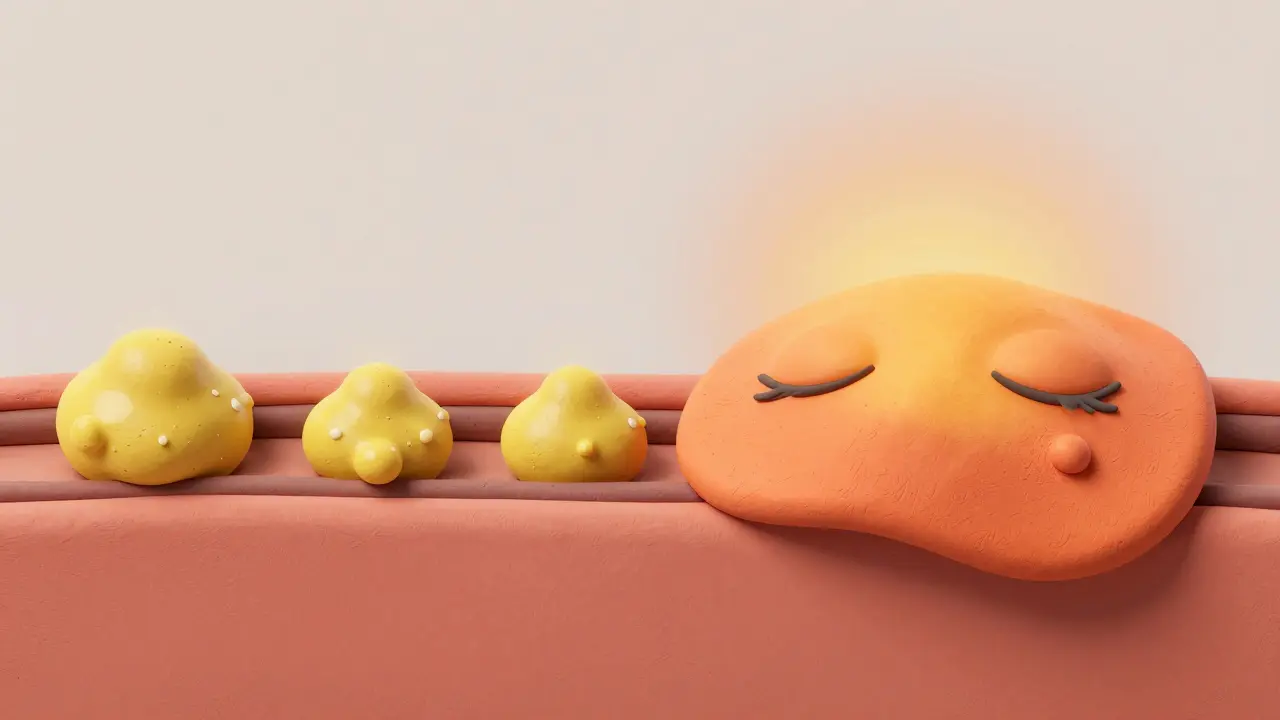
If you have been told to use a warm compress, you might be wondering why it matters so much. It is not just about feeling relaxed. Heat is the key to unlocking blocked glands. In posterior blepharitis, the oil produced by your meibomian glands becomes thick and waxy, similar to solidified butter. This blockage prevents the oil from mixing with your tears, causing rapid evaporation and irritation.
Applying heat liquefies this thickened oil. A study from the Cleveland Clinic showed that consistent warm compress application for 21 days improved meibomian gland secretion quality by 68%. However, temperature precision is critical. Research from UVA Health indicates that compresses below 38°C (100°F) show minimal therapeutic effect because they are not hot enough to melt the wax. On the other hand, temperatures exceeding 48°C (118°F) risk burning your delicate eyelid skin.
The sweet spot is between 40°C and 45°C (104°F - 113°F). At this range, you can safely soften the gland secretions without causing thermal injury. This is why simply splashing warm water on your face is not enough. You need sustained, direct heat applied directly to the closed eyelids for a sufficient duration.
How to Apply Warm Compresses Correctly
Many people fail with warm compresses not because the method doesn't work, but because they do it wrong. Common mistakes include using water that cools down too fast or not applying heat long enough. Here is the step-by-step protocol recommended by eye care experts.
- Choose the Right Tool: You can use a clean washcloth soaked in hot water, but microwavable gel packs are often better. They maintain therapeutic temperature longer. Traditional washcloths cool down in about 8 minutes, while gel packs can stay effective for over 12 minutes.
- Heat It Up: Ensure the compress is between 40-45°C. Test it on the inside of your wrist first. It should feel comfortably hot, not painful.
- Apply for 10 Minutes: Close your eyes and place the compress over them. Keep it there for a full 10 minutes. If using a washcloth, you may need to reheat it halfway through to maintain the temperature. Consistency is key-doing this twice daily yields the best results.
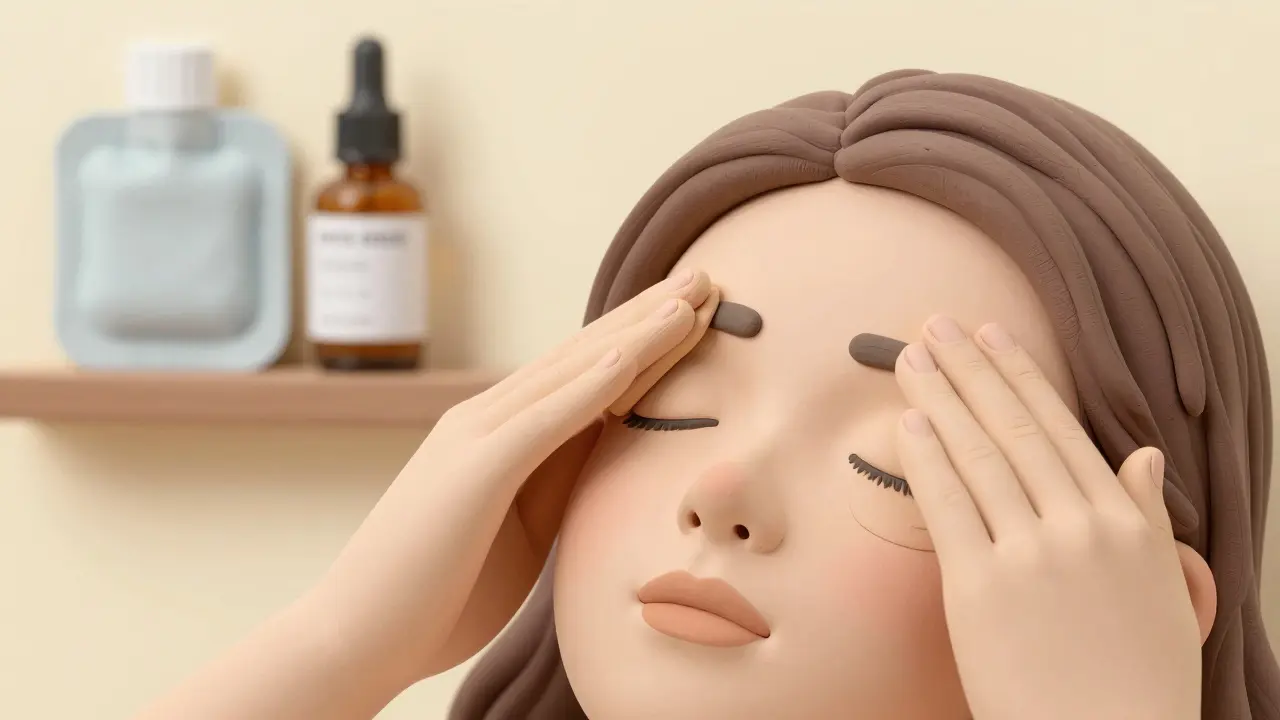
- Massage Immediately: As soon as you remove the compress, gently massage your eyelids. Use your index finger to press lightly on the upper lid and sweep downward toward the lash line. For the lower lid, sweep upward. This "windshield wiper" motion helps express the liquefied oil from the glands.
- Cleanse the Lids: After massaging, clean your eyelid margins to remove debris and bacteria. Use a preservative-free lid scrub solution or diluted baby shampoo. Gently wipe along the base of your lashes.
- Moisturize: If your eyes still feel dry, apply artificial tears. This replaces the tear film that was disrupted during cleaning.
A clinical trial involving 347 participants found that combining heat with immediate massage improved gland function by 81%. Skipping the massage step leaves the softened oil trapped in the glands, reducing the effectiveness of the treatment.
Tips for Success and Consistency
Blepharitis is a chronic condition, meaning it requires ongoing management. You cannot cure it once and forget about it. Approximately 89% of cases require continuous care. The biggest hurdle is consistency. Patients who apply compresses consistently for 30 days see a 67% improvement in symptoms, compared to only 22% for those who are inconsistent.
To build a habit, integrate lid hygiene into your daily routine. Many find morning application most helpful because it clears the overnight buildup of secretions that cause "glued shut" eyes. Evening application helps reduce inflammation before sleep. Set a reminder on your phone if needed.
If traditional methods feel cumbersome, consider commercial warming masks. These devices, priced between $15 and $40, offer more consistent heat distribution. Studies show users of these masks have higher adherence rates than those using washcloths. Some advanced devices, like the TearCare System, provide precise temperature regulation, though they are more expensive. For most people, a high-quality microwavable gel pack is a cost-effective and effective middle ground.
Also, look at your overall eye health. Omega-3 fatty acid supplementation (2,000 mg EPA/DHA daily) has been shown to increase treatment efficacy by 34% when combined with warm compresses. Reducing screen time and taking regular breaks can also alleviate strain on your ocular surface.
When to See a Doctor
While warm compresses resolve mild-to-moderate cases for many people, some situations require professional intervention. Consult an ophthalmologist or optometrist if:
- You experience severe pain, light sensitivity, or changes in vision.
- Your symptoms do not improve after 3-4 weeks of consistent home care.
- You develop recurrent styes or chalazia (lumps on the eyelid).
- You notice significant eyelash loss or misdirected lashes growing into the eye.
A doctor can perform a slit-lamp examination to confirm the diagnosis and rule out other conditions. They may prescribe antibiotic ointments, oral antibiotics, or anti-inflammatory drops if bacterial infection or severe inflammation is present. In cases of stubborn MGD, in-office procedures like LipiFlow or Intense Pulsed Light (IPL) therapy might be recommended to clear blocked glands more aggressively.
How long does it take for warm compresses to work for blepharitis?
You should start noticing improvement within 14 to 21 days of consistent, proper application. Most patients achieve significant symptom reduction by day 30 if they follow the protocol twice daily. Remember, blepharitis is chronic, so maintenance is required even after symptoms subside.
Can I use a heating pad instead of a warm compress?
Electric heating pads are generally not recommended for direct eye use unless they are specifically designed for it. Standard heating pads can get too hot and lack moisture, which can dry out your eyes further. Microwavable gel packs or dedicated eye masks are safer and more effective because they retain heat and moisture evenly.
Is blepharitis contagious?
No, blepharitis is not contagious. You cannot pass it to others through touch or sharing towels. However, maintaining good hygiene, such as washing your hands before touching your eyes and replacing old makeup, helps prevent secondary bacterial infections.
Should I wear eye makeup if I have blepharitis?
It is best to avoid eye makeup, especially mascara and eyeliner, during active flare-ups. Makeup can trap bacteria and irritants against the inflamed eyelid margin. If you must wear makeup, discard any products used during the onset of symptoms and choose hypoallergenic options. Always remove makeup gently with a non-irritating cleanser.
Does diet affect blepharitis?
Yes, diet can play a role. Anti-inflammatory diets rich in omega-3 fatty acids (found in fish, flaxseed, and walnuts) may help improve the quality of meibomian gland oil. Conversely, high sugar and processed food intake can exacerbate inflammation. Staying hydrated also supports overall tear production.
Menu