
When your blood doesn’t clot the way it should, you’re dealing with coagulopathy, a condition where the blood’s ability to form clots is impaired, leading to excessive bleeding or, in some cases, dangerous clots. Also known as bleeding disorder, it can show up suddenly after surgery, trauma, or as a slow-burning problem linked to liver disease, cancer, or long-term medication use. This isn’t just about slow healing—it’s about life-threatening risks like internal bleeding or stroke if clots form where they shouldn’t.
Anticoagulants, medications like warfarin or heparin used to prevent clots in people with atrial fibrillation or deep vein thrombosis are often part of the solution, but they’re a double-edged sword. Too much and you bleed out; too little and you risk a clot. That’s why clotting factors, proteins in the blood like fibrinogen, factor VIII, and prothrombin that work together to stop bleeding are regularly checked through lab tests like PT/INR and aPTT. These numbers tell doctors whether your blood is clotting normally—or dangerously off-balance. Liver disease, vitamin K deficiency, or even overuse of NSAIDs can throw these factors out of whack, which is why many cases of coagulopathy are tied to other conditions you might not connect to bleeding.
Managing coagulopathy isn’t about one drug or one fix. It’s about understanding what’s causing the imbalance. Is it a genetic disorder like hemophilia? A side effect of chemotherapy? Or maybe your body’s running low on platelets after an infection? The treatments vary wildly—from fresh frozen plasma and cryoprecipitate to recombinant factor concentrates and vitamin K infusions. Even something as simple as avoiding certain supplements or switching from aspirin to acetaminophen can make a big difference. And in emergencies, like massive bleeding after an accident, time and the right blood products can mean the difference between life and death.
The posts below cover real-world cases where coagulopathy shows up unexpectedly—like how SSRIs and NSAIDs together increase bleeding risk, or how dexamethasone can mess with clotting over time. You’ll find guides on safe medication use, interactions to watch for, and what to ask your doctor when your blood tests look off. No fluff. Just what you need to understand, manage, or prevent abnormal clotting before it becomes a crisis.
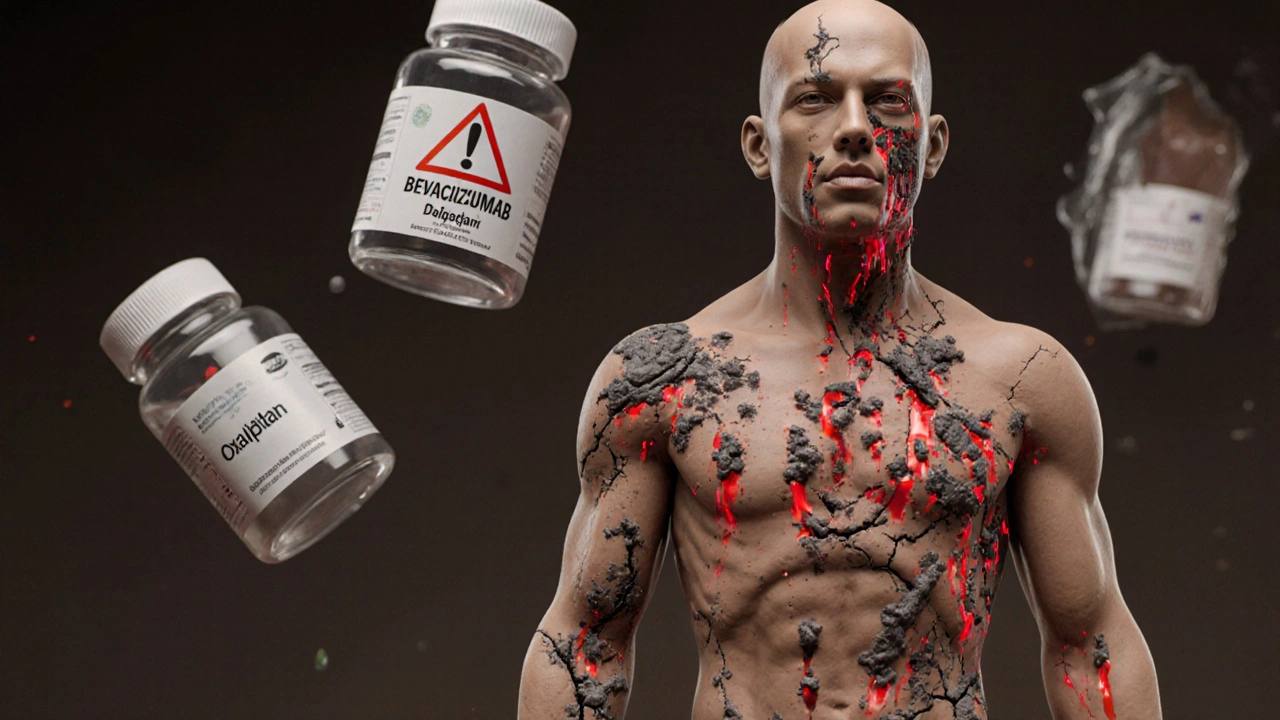
Drug-induced disseminated intravascular coagulation (DIC) is a rare but deadly reaction to medications like cancer drugs and anticoagulants. Learn how to recognize it early, stop the trigger, and provide life-saving support.
Nov 14 2025
© 2026. All rights reserved.
Menu