
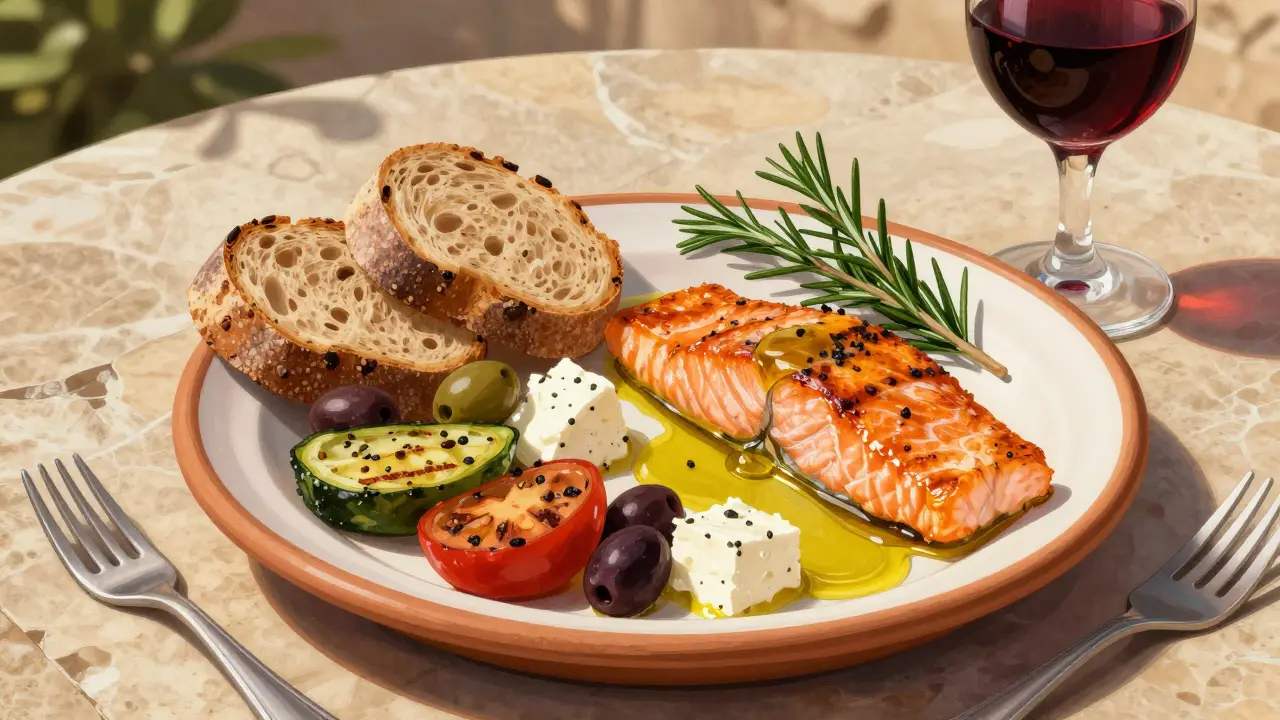
When it comes to protecting your heart, what you eat matters more than you might think. Not every diet works the same way, and not all healthy eating plans are built for your heart. But three eating patterns-Mediterranean, DASH, and plant-forward-have been proven again and again to lower blood pressure, reduce bad cholesterol, and cut your risk of heart attacks and strokes. These aren’t trendy fads. They’re backed by decades of science, used by doctors, and followed by millions because they actually work-and they’re sustainable.
What Makes a Diet Truly Heart-Healthy?
A heart-healthy diet doesn’t mean cutting out everything you love. It’s about shifting what you eat toward foods that help your arteries stay clear, your blood pressure stay low, and your inflammation stay under control. The American Heart Association calls these top-tier approaches because they’ve been tested in large, long-term studies. They don’t just lower numbers on a lab report-they lower your chance of dying from heart disease.
The key mechanisms? Lowering LDL (bad) cholesterol, reducing sodium to ease strain on blood vessels, increasing fiber to clean out arteries, and swapping saturated fats for healthy ones like olive oil and omega-3s. All three diets-Mediterranean, DASH, and plant-forward-do this, but in slightly different ways.
The Mediterranean Diet: Flavor, Fat, and Longevity
The Mediterranean diet isn’t a strict plan-it’s a way of eating based on how people lived in Greece, Italy, and Spain in the 1950s. Back then, heart disease was rare in those regions, and scientists like Ancel Keys noticed it was tied to what they ate: lots of vegetables, beans, whole grains, olive oil, fish, and wine-with very little red meat or processed food.
Today, the Mediterranean diet looks like this:
- Extra-virgin olive oil as your main fat (not butter or margarine)
- Fruits and vegetables at every meal-aim for 5-7 servings a day
- Whole grains like barley, brown rice, and whole-wheat bread
- Legumes (lentils, chickpeas, beans) 3-4 times a week
- Fish (especially salmon, sardines, mackerel) at least twice a week
- Nuts and seeds daily (a small handful of almonds, walnuts, or flaxseeds)
- Low to moderate dairy (yogurt, cheese)
- Red meat no more than once a month
- Red wine in moderation (1 glass a day for women, 2 for men-if you drink)
Studies show this diet cuts overall heart disease deaths by up to 30%. Why? It’s rich in antioxidants, polyphenols, and healthy fats that reduce inflammation and improve how your blood vessels work. A 2023 study tracking over 2,000 people for 10 years found that those who stuck closely to the Mediterranean diet had far fewer heart attacks and strokes than those who didn’t.
People love it because it’s flexible. You can eat out, enjoy a slice of pizza with a side of veggies, and still be on track. It’s not about perfection-it’s about patterns.
The DASH Diet: Science-Backed Blood Pressure Control
If your biggest heart health concern is high blood pressure, the DASH diet was made for you. Developed in the 1990s by researchers at Harvard and funded by the National Institutes of Health, DASH stands for Dietary Approaches to Stop Hypertension. It was designed to lower blood pressure without drugs-and it works.
The original DASH trial showed people with high blood pressure dropped their systolic pressure by nearly 11 points and diastolic by 6 points in just 8 weeks. That’s as effective as some medications.
Here’s what DASH looks like daily (on a 2,000-calorie plan):
- 6-8 servings of grains (mostly whole)
- 4-5 servings of vegetables
- 4-5 servings of fruits
- 2-3 servings of low-fat dairy
- 6 or fewer servings of lean meat, poultry, or fish
- 4-5 servings of nuts, seeds, or legumes per week
- 2-3 servings of fats/oils (olive oil, avocado oil)
- 5 or fewer servings of sweets per week
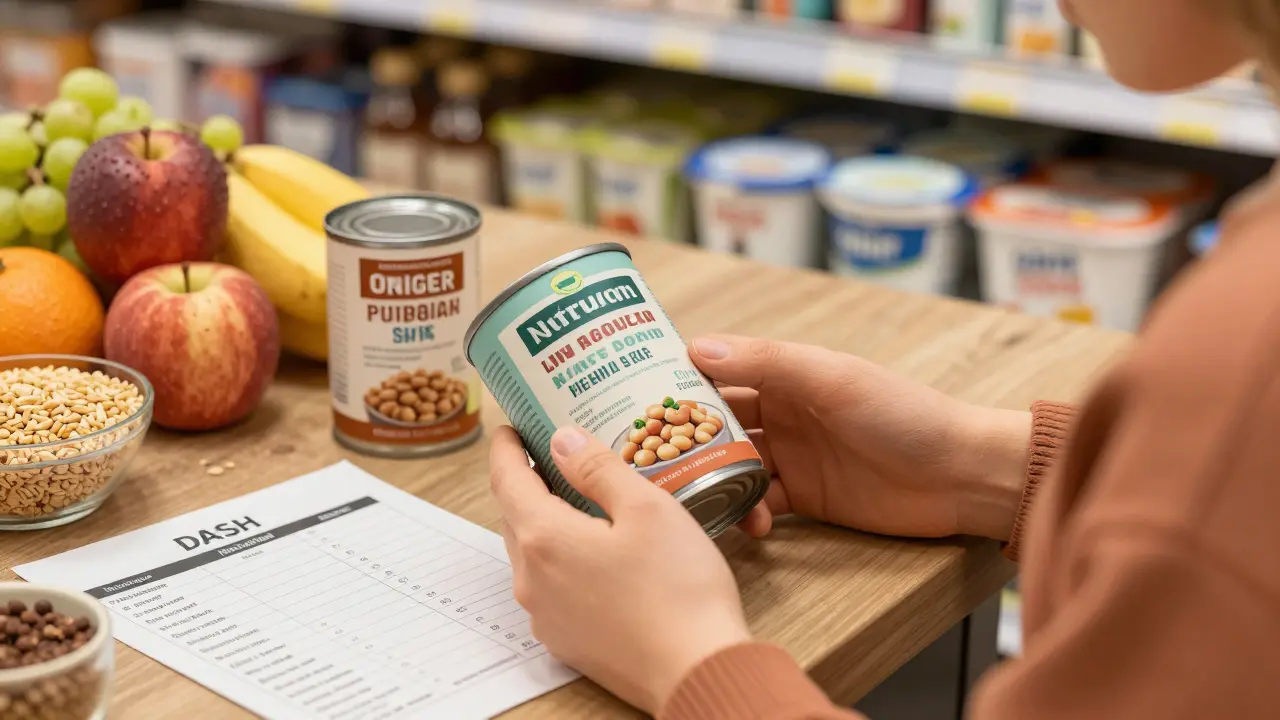
The big difference? Sodium. DASH limits sodium to 1,500-2,300 mg per day. Most Americans eat over 3,400 mg. That’s like eating 1.5 teaspoons of salt every day-way too much for your heart. DASH forces you to read labels, cook at home, and ditch processed snacks and canned soups.
It’s strict, and that’s why many people find it hard to stick with. But the results are fast. One Reddit user reported dropping from 150/95 to 130/85 in six weeks. And unlike the Mediterranean diet, DASH has been shown to lower blood pressure even more than Mediterranean eating when tested head-to-head in people with hypertension.
There’s also a smarter version called OmniHeart. It swaps some carbs for either more protein or more healthy fats. The version with extra olive oil and avocado led to even better cholesterol and blood pressure results-and people stuck with it longer.
Plant-Forward Eating: Flexibility Meets Heart Health
Plant-forward eating isn’t vegan. It’s not even vegetarian. It’s simply putting plants at the center of your plate-without banning animal products entirely. Think: a big bowl of lentils and roasted veggies with a small side of grilled chicken, or oatmeal with berries and a spoon of Greek yogurt.
This approach is gaining steam because it’s adaptable. You don’t need to go all-in. Even small shifts help. A 2024 study found that people who ate mostly plant-based meals at least 3 days a week lowered their heart disease risk by 14%.
Why does it work? Plants are packed with fiber, which binds to cholesterol and flushes it out. They’re low in saturated fat and high in potassium, magnesium, and antioxidants-all of which help blood vessels relax and reduce inflammation.
Common plant-forward meals:
- Black bean tacos with avocado and salsa
- Quinoa salad with chickpeas, cucumbers, and feta
- Stir-fried tofu with broccoli and brown rice
- Smoothies with spinach, banana, chia seeds, and almond milk
- Whole-wheat pasta with marinara sauce and sautéed mushrooms
One big advantage? It’s easier to fit into social life. You can enjoy a burger at a barbecue by just skipping the cheese and bacon and adding extra veggies. The Veganuary 2024 survey found that 67% of people who tried plant-forward eating kept it up after six months-even if they weren’t fully plant-based.
How Do They Compare? A Quick Breakdown
Here’s how these diets stack up on the things that matter most for your heart:
| Feature | Mediterranean | DASH | Plant-Forward |
|---|---|---|---|
| Primary Goal | Reduce overall heart disease risk | Lower blood pressure | Improve cholesterol and reduce inflammation |
| Sodium Limit | Not strictly limited | 1,500-2,300 mg/day | Encouraged to reduce, no hard cap |
| Fat Source | Extra-virgin olive oil | Low-fat dairy, lean meats | Plant oils, nuts, seeds |
| Animal Products | Modest fish, poultry, dairy | Lean meat, fish, low-fat dairy | Flexible-small amounts allowed |
| Best For | Sustainability, taste, long-term adherence | Rapid blood pressure drops | Flexibility, affordability, easy to start |
| Adherence Rate (6+ months) | 72% | 55% | 67% |
The Mediterranean diet wins for long-term sticking power. DASH wins for speed and precision with blood pressure. Plant-forward wins for ease and adaptability. You don’t have to pick just one.
The New Hybrid: Medi-DASH
Doctors are starting to blend the best of both worlds. The Medi-DASH diet combines the olive oil, fish, and whole foods of the Mediterranean diet with DASH’s strict sodium limits and precise serving guidelines.
A 2024 trial with 350 participants found that Medi-DASH lowered systolic blood pressure by 12.4 points and LDL cholesterol by 18.7 mg/dL-better than either diet alone. It’s becoming the new gold standard for people with high blood pressure and high cholesterol.
And it’s not just theoretical. The American College of Cardiology’s 2025 dietary guidelines, currently being finalized, are expected to officially recognize plant-forward eating as equal to Mediterranean and DASH-based on new data showing high plant-protein diets cut heart disease deaths by 23%.
What’s Holding People Back?
These diets work-but they’re not always easy.
For DASH, sodium is the biggest hurdle. Most packaged foods, sauces, and breads are loaded with salt. Learning to cook without it takes time. Only 27% of people hit the 1,500 mg target without help from a dietitian.
For Mediterranean, the cost of quality olive oil and fresh fish can be a barrier. A 2024 USDA analysis found full adherence costs about $1.50 more per day than the average American diet. That adds up, especially on a tight budget.
And for plant-forward, the challenge isn’t food-it’s social pressure. Eating out, holidays, family dinners-it’s hard to stick to your plan when everyone else is having pizza or steak.
The fix? Start small. Swap one meal a day. Use herbs instead of salt. Buy canned beans instead of fresh fish. Use frozen veggies. You don’t need to overhaul your life overnight.

How to Get Started
You don’t need a fancy app or expensive groceries. Here’s how to begin:
- Replace one processed snack with a handful of unsalted almonds or an apple.
- Swap butter for olive oil on toast or veggies.
- Choose whole grains over white bread, pasta, or rice.
- Add a serving of beans or lentils to your lunch 3 times a week.
- Drink water instead of sugary drinks.
- Cook at home 4 nights a week-even simple meals help.
The National Heart, Lung, and Blood Institute offers free DASH meal plans. The Oldways Preservation Trust has Mediterranean recipes. The American Heart Association’s No-Fad Diet toolkit gives you personalized plans for all three. Use them.
Real Results, Real People
People who stick with these diets don’t just lose weight-they feel better. A 2023 Cleveland Clinic survey found 68% of people reported higher energy. Nearly 30% of those with high blood pressure were able to reduce or stop their meds within six months.
One woman in Manchester, 58, switched to Mediterranean eating after her cholesterol hit 240. Within four months, it dropped to 175. She didn’t lose weight, but she stopped taking statins. "I eat better, sleep better, and I don’t feel like I’m on a diet," she said.
Another man, 62, followed DASH after a pre-hypertension diagnosis. His BP dropped from 145/90 to 128/82 in 8 weeks. He still eats chicken and yogurt, but now he knows how to read labels and avoid hidden salt.
These aren’t miracles. They’re nutrition.
Which diet is best for lowering cholesterol?
The Mediterranean diet is the most proven for lowering LDL (bad) cholesterol. Its high fiber from beans, whole grains, and vegetables, plus healthy fats from olive oil and nuts, directly help remove cholesterol from the bloodstream. Studies show it reduces LDL by 10-15% over 6 months.
Can I do DASH without cutting out salt completely?
Yes. The full DASH benefit comes from 1,500 mg of sodium, but even reducing to 2,300 mg (about 1 teaspoon) helps. Most people start there and gradually cut back. Focus on removing processed foods, canned soups, and salty snacks first. You don’t need to become a salt detective overnight.
Is plant-forward eating the same as vegan?
No. Vegan means no animal products at all. Plant-forward means plants are the main focus, but you can still eat meat, dairy, or fish-just in smaller amounts. For heart health, you don’t need to go fully vegan. Even adding one more plant-based meal a week makes a difference.
Do I need to buy organic to follow these diets?
No. Organic can be helpful, but it’s not required. Frozen vegetables, canned beans (rinsed), and seasonal produce are just as nutritious and often cheaper. Focus on variety and whole foods-not labels.
Can I drink alcohol on the Mediterranean diet?
Moderate red wine (1 glass a day for women, 2 for men) is part of the traditional Mediterranean pattern and may offer heart benefits due to antioxidants like resveratrol. But if you don’t drink, don’t start. The benefits don’t outweigh the risks for non-drinkers. Water, tea, and coffee are just as good.
How long until I see results?
Blood pressure can drop in as little as 2 weeks on DASH. Cholesterol changes usually show up in 4-8 weeks. Energy levels and digestion often improve faster-within days. But real heart protection comes from sticking with it for months and years.
What’s Next?
These diets aren’t just about food. They’re about changing your relationship with eating. No deprivation. No guilt. Just more plants, less processed junk, and better fats.
If you’re worried about your heart, start today. Pick one thing: swap your morning toast for oatmeal. Add a side of beans to your lunch. Use olive oil instead of butter. You don’t need to do everything at once. Small steps, repeated, change your heart’s future.
And remember: the best diet is the one you can live with-for life.
Paula Villete
December 23, 2025 AT 20:55Okay but let’s be real - if you’re eating olive oil like it’s water and calling it ‘heart healthy,’ you’re just paying $25 for a bottle of liquid gold to feel better about eating pizza on Sundays. I’m not mad, just impressed by how capitalism turned ‘eat vegetables’ into a luxury subscription.
Georgia Brach
December 24, 2025 AT 22:46The claim that Mediterranean diet reduces heart disease deaths by 30% is statistically misleading. The original PREDIMED study had significant methodological flaws - including non-blinded participants and a high dropout rate. The effect size collapses when adjusted for confounding variables like physical activity and socioeconomic status. This isn’t nutrition science - it’s correlation masquerading as causation.
Katie Taylor
December 26, 2025 AT 22:21Stop overcomplicating this. Eat less sugar, eat more greens, stop drinking soda, and walk 30 minutes a day. That’s it. You don’t need a 5,000-word essay with tables and citations to not die of a heart attack. The fact that people treat this like rocket science is why obesity is still a thing.
Payson Mattes
December 27, 2025 AT 11:16Did you know the NIH funded DASH because Big Pharma wanted to push blood pressure meds? The whole diet was designed to make people feel guilty so they’d take pills instead of fixing their gut biome with probiotics and magnesium. I’ve seen 3 people reverse their hypertension with fermented foods alone. The system doesn’t want you to know this. They’re scared of food as medicine.
Steven Mayer
December 28, 2025 AT 08:16While the meta-analyses referenced do demonstrate modest reductions in LDL-C and systolic BP, the effect sizes are clinically marginal when contextualized within population-level mortality data. The heterogeneity in adherence metrics across studies introduces significant bias, particularly in self-reported dietary recall. Moreover, the absence of control for gut microbiome modulation as a confounding variable renders the causal inference untenable. A more robust framework would require longitudinal metabolomic profiling.
Ademola Madehin
December 30, 2025 AT 06:34Man, I tried the Mediterranean diet for a week and ended up eating a whole wheel of feta cheese because I thought ‘moderate dairy’ meant ‘free pass.’ My heart is probably screaming right now. But hey, at least I cried while eating olives. That’s emotional health, right?
suhani mathur
December 31, 2025 AT 06:48Plant-forward is the only one that makes sense if you’re not rich. Canned beans, frozen spinach, brown rice - all cheaper than processed junk. I feed my whole family on $15/week and we eat more vegetables than my neighbor who buys ‘heart-healthy’ organic kale smoothies for $12 a pop. Stop glorifying expensive diets. Real people eat what’s affordable.
Jeffrey Frye
December 31, 2025 AT 09:23ok so i read this whole thing and like… i think the real problem is we’re all just too lazy to cook? like i get it, dashing to work and grabbing a burrito is easier than chopping veggies. but if you just did one meal a week? like, idk, lentil soup on tuesdays? you’d be ahead. also i misspelled ‘lentil’ just now. oops.
Andrea Di Candia
December 31, 2025 AT 22:59I love how these diets aren’t about restriction - they’re about abundance. More color on your plate, more flavor from herbs, more connection to food. It’s not about being perfect. It’s about showing up. Even if you only swap butter for olive oil once, you’re honoring your body. And that’s enough. No guilt. No pressure. Just kindness - to yourself, and to the planet.
bharath vinay
January 2, 2026 AT 02:09They’re all lies. The American Heart Association is funded by food corporations. Olive oil? Mostly rancid and cut with canola. DASH? Designed by USDA bureaucrats who love processed grains. Plant-forward? Just a gateway to vegan indoctrination. Real heart health comes from eating meat, butter, and avoiding carbs - like our ancestors did. The science they quote? Paid for. The truth? Buried.
Dan Gaytan
January 2, 2026 AT 02:46Y’all are overthinking this 😊 I started with just swapping my morning cereal for oatmeal + berries + chia seeds. No fancy apps, no meal prep - just one change. Two months later, my energy’s up, my skin cleared up, and I didn’t even notice I was ‘on a diet.’ Just eating better. Small steps, big heart ❤️
Usha Sundar
January 2, 2026 AT 22:53My grandma ate lard and smoked cigarettes. Lived to 94. So maybe the real problem isn’t the food - it’s the fear.
Andy Grace
January 4, 2026 AT 08:14I’ve been following a modified Medi-DASH for six months. My BP dropped 14 points. I still eat salmon twice a week, use olive oil, and read labels like a hawk. But honestly? The biggest change wasn’t the food - it was cooking at home. I stopped eating out. That’s the real secret. Not the diet. The habit.