
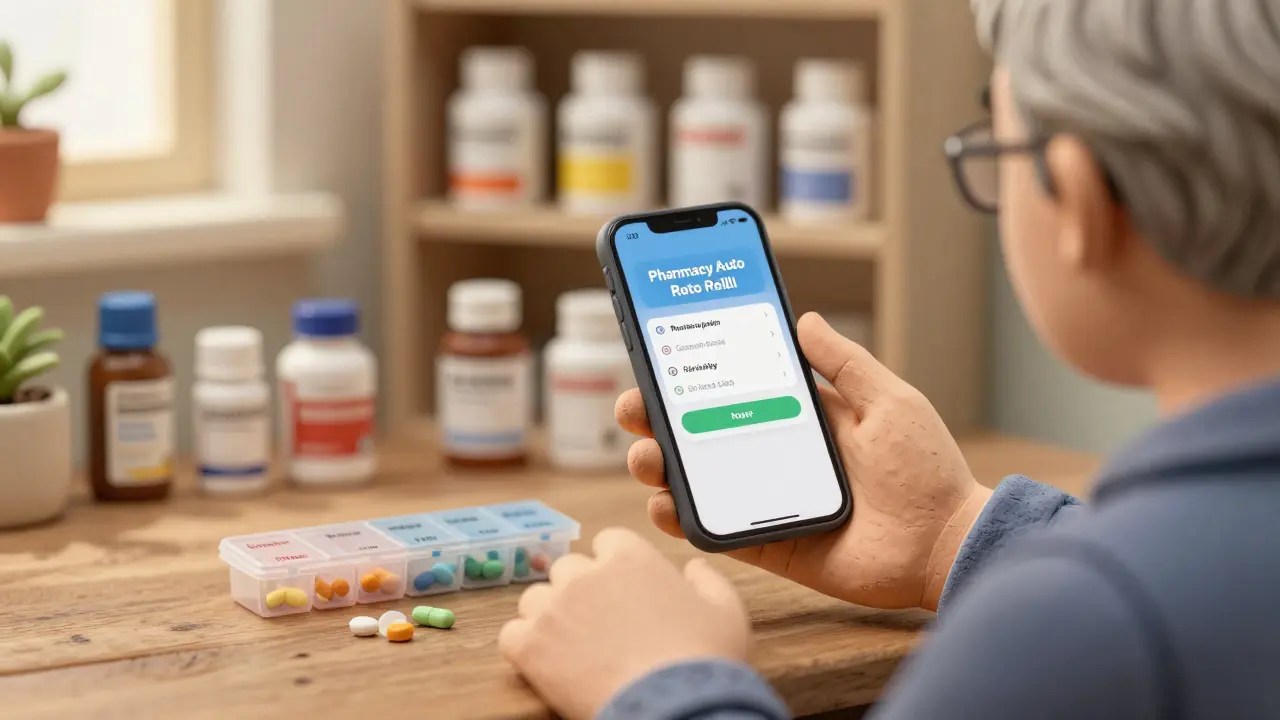
Running out of your blood pressure pill or diabetes med shouldn’t be a surprise. But for millions of people taking daily generic medications, it happens all the time. Forgetting to call the pharmacy, missing the refill reminder, or just not having time to drive there - these small delays add up. And when you’re managing a chronic condition, missing even a few doses can lead to bigger health problems. That’s where automated refills come in.
What automated refills actually do
Automated refill systems aren’t magic. They’re simple: your pharmacy tracks when you’ll run out of your medication and automatically starts the refill process before you run out. Most systems trigger the refill 5 to 7 days before your current supply runs out. You don’t have to call, log in, or remember anything. The pharmacy handles it.This isn’t just a convenience feature. It’s a tool built to fix a real problem: medication nonadherence. The World Health Organization says nearly half of people with chronic illnesses don’t take their meds as prescribed. For generics - which are used for high blood pressure, cholesterol, diabetes, and thyroid conditions - that’s a huge issue. A 2016 study found that patients using automated refills had 7.2% higher adherence for statins, 3.9% higher for blood pressure meds, and 6.8% higher for diabetes drugs compared to those who had to request refills manually.
How it works behind the scenes
It starts with consent. You have to sign up. You can’t be enrolled without your permission. Once you opt in, your pharmacy’s system links to your prescription history and knows exactly how often you take your meds. If you’re on a 30-day supply of metformin, the system calculates when you’ll need the next one.The refill request gets sent to your doctor’s office electronically. Most doctors approve these automatically if your condition is stable. Then, the pharmacy fills it. You get a notification - via text, email, or app alert - letting you know your meds are ready. You can pick them up, have them shipped, or even schedule delivery for a specific day.
Big pharmacy chains like CVS, Walgreens, and Amazon Pharmacy have these systems built in. So do mail-order services and digital health platforms like One Medical. They’re integrated with electronic health records, so if your doctor changes your dose, that update should flow through. But here’s the catch: it doesn’t always work perfectly.
When automation goes wrong
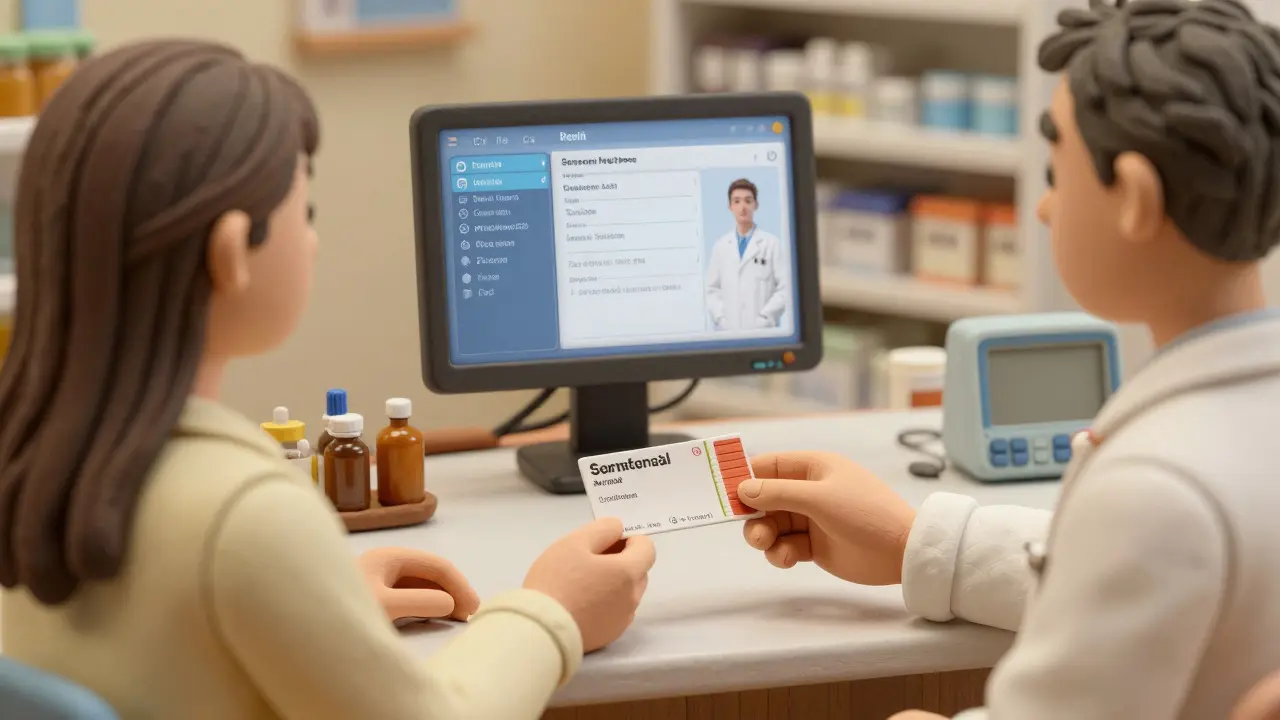
The biggest risk isn’t running out of medicine - it’s getting the wrong dose. There are documented cases where patients had their dosage increased by their doctor, but the automated system kept refilling the old amount. One patient in Oregon received 240 mg of diltiazem for months after their doctor increased it to 360 mg. The system didn’t flag the change because it only looked at the last filled prescription, not the updated prescription note.That’s why it’s critical to double-check every refill. If your doctor changes your dose, call the pharmacy. Don’t assume they know. Even with smart systems, human oversight still matters.
Another issue is unexpected deliveries. Some patients get their meds shipped without realizing they signed up for auto-refills. One Medical’s reviews show 31% of negative feedback comes from people who didn’t know they were enrolled. It’s not fraud - it’s poor communication. Pharmacies need to make enrollment clearer and give you an easy way to opt out.
Why pharmacies love it
It’s not just about helping you stay healthy. Pharmacies have financial reasons to push automated refills. The Centers for Medicare & Medicaid Services (CMS) rate plans based on how well patients take their meds. Higher ratings mean more money. So pharmacies are motivated to get you enrolled.Automated refills also cut down on phone calls. One study found pharmacy staff spent 37% less time fielding refill requests. That means fewer frustrated customers waiting on hold and more time for pharmacists to answer real questions - like drug interactions or side effects.
Some companies are going further. Amazon Pharmacy’s RxPass, launched in January 2023, offers 60 common generic medications for $5 a month to Prime members. It’s not just auto-refill - it’s a subscription. Users report fewer out-of-pocket costs and more consistent refills. A 2025 study in JAMA Network Open found RxPass users refilled their meds 18% more often than before.
What you should do
If you take daily generic meds, automated refills can save you time, stress, and maybe even your health. But you need to take control.- Ask your pharmacy: Do you offer auto-refills? How do you enroll?
- Check your dosage: Every time you get a refill, compare the pill count and strength to your doctor’s latest prescription.
- Review quarterly: Every three months, look at your medication list. Are you still taking everything? Did you stop a drug but still get refills?
- Know how to opt out: If auto-refills aren’t working for you, you can turn them off. Ask how.
Most people who use it love it. On Reddit’s pharmacy community, 68% of users said auto-refills helped them stay on track. On Trustpilot, automated refill features average 4.2 out of 5 stars - mostly because users say they feel “peace of mind.”
The future is smarter
The next wave of automated refills will use AI to learn your habits. If you usually pick up your meds on Wednesday but missed last month, the system might trigger the refill earlier. If you refill every 25 days instead of 30, it adjusts. CVS and others are already testing this. By 2026, two-thirds of pharmacy automation systems will use this kind of personalization.Some systems are even syncing with Apple Health and Google Fit. Your pill count becomes part of your health dashboard. You can see your adherence rate over time. That’s not just convenient - it’s empowering.
But here’s the real win: fewer missed doses mean fewer hospital visits. Fewer ER trips. Fewer complications. That’s the quiet, everyday benefit of automated refills. It’s not flashy. It doesn’t make headlines. But for someone managing diabetes or high blood pressure, it’s the difference between staying stable and falling apart.
Are automated refills safe for all medications?
Automated refills work best for daily chronic condition medications like blood pressure pills, statins, diabetes drugs, and thyroid hormones. They’re not ideal for medications with frequent dose changes, short-term use, or those that require close monitoring (like blood thinners). Always check with your pharmacist if you’re unsure.
Can I still pick up my meds in person if I use auto-refill?
Yes. Auto-refill just means the pharmacy starts the process early. You can still choose to pick up your prescription at the counter, have it mailed, or schedule delivery. Most systems let you pick your preferred pickup method during enrollment.
Do I have to pay extra for automated refills?
No. Automated refills are typically free. You pay the same copay or out-of-pocket cost as you would for a regular refill. Some subscription services like Amazon RxPass charge a monthly fee, but that’s optional and separate from standard auto-refill programs.
What if I stop taking a medication? Will it still refill?
If your doctor discontinues your prescription, the system should stop refilling. But if they just change the dose or brand, it might not catch it. That’s why you need to confirm with your pharmacy if you’ve stopped a drug - even if you think it’s obvious. Never assume the system knows.
How do I sign up for automated refills?
Ask your pharmacy. Most let you enroll through their website, mobile app, or in person. You’ll need to give consent and confirm your contact info for reminders. The process takes about 10 minutes. If you’re not tech-savvy, ask for help - most major chains offer in-person enrollment support.
Janette Martens
December 30, 2025 AT 01:57Marie-Pierre Gonzalez
December 31, 2025 AT 10:17Louis Paré
December 31, 2025 AT 13:50Payton Daily
January 1, 2026 AT 17:54Kelsey Youmans
January 3, 2026 AT 15:17Sydney Lee
January 5, 2026 AT 08:49oluwarotimi w alaka
January 5, 2026 AT 10:51Debra Cagwin
January 5, 2026 AT 23:02Hakim Bachiri
January 6, 2026 AT 07:18